
The best-reviewed film from this year’s Sundance Film Festival was non-fiction: David Greaves’ “Once Upon a Time in Harlem.” A remarkable work, it brings the Harlem Renaissance to life through candid interviews, rare archival footage, and the voices of the artists, musicians, and writers who lived it.
After a heated bidding war to acquire the documentary, Neon has secured U.S. distribution rights and plans to release it in theaters later this year. At various points, Netflix, Sony Pictures Classics, and Mubi were also in the mix.
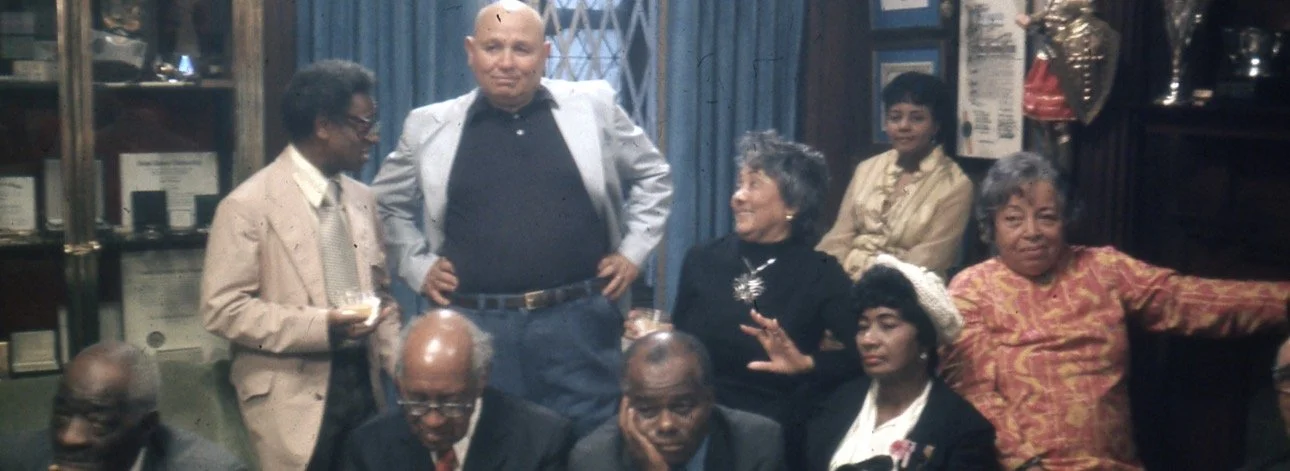
Shot in 1972 by William Greaves at Duke Ellington’s Harlem townhouse, the film captures a gathering of Harlem Renaissance figures—musicians, writers, artists, and actors—as they reminisce, debate, and reflect on the movement they helped shape. Forgotten for decades, over four hours of footage were later curated by Greaves’ son into this 100-minute documentary.
The Harlem Renaissance was crucial, emerging just decades after the abolition of slavery and giving Black Americans a powerful platform to assert their cultural and intellectual identity. It was the cultural boom they needed to feel unshackled from the past.
On paper, this doc might sound dry, but it’s more than a history lesson; it offers intimate, salon-like conversations with some of the most notable figures of the movement—it’s a vibrant hangout movie. An utterly fascinating one at that.
This film feels like a piece of history suddenly unearthed for us all to witness. A rare treasure suddenly arriving, its very presence feels damn-near miraculous and could reshape the way we view the Harlem Renaissance — a time and place that seems to have been lost to memory, yet here it is, vivid and alive, demanding to be seen with a fresh set of eyes.
“Once Upon a Time in Harlem” currently holds a 94 on Metacritic and 100% on Rotten Tomatoes. It’s almost safe to say it will likely be Oscar-nominated next year for Best Documentary.

At a post-trailer Q&A for “Werwulf,” which opens Christmas Day, Eggers explained why his next movie is Shakespeare’s teen tragedy rather than another gloomy medieval tale.