

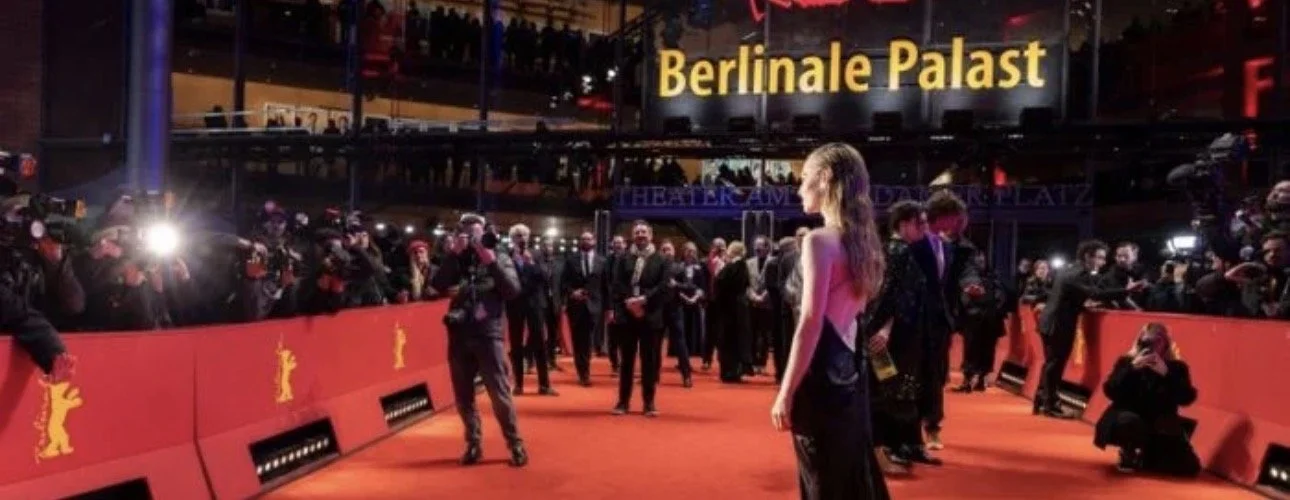
An unusual controversy has exploded on the ground at the Berlin Film Festival, and it has almost nothing to do with cinema.
It began when Jury President Wim Wenders was asked about the Israel‑Gaza conflict at the opening press conference. Wenders replied that filmmakers “have to stay out of politics… We are the counterweight to politics, the opposite of politics; we have to do the work of people — not the work of politicians.”
Those comments set off an uproar in the media. Festival guests — filmmakers, actors, and producers — were then peppered with politically charged questions at press events. Most chose to stay apolitical, and that choice itself became a talking point, drawing criticism from some journalists and many voices on social media.
The backlash even led author Arundhati Roy to cancel her planned appearance at the festival, where she was to present her film. The Berlin Film Festival has now issued a lengthy statement, highlighting key points:
In defense of our filmmakers, and especially our jury and jury President […] a media storm that has swept over the Berlinale in its first two days […] Artists are free to exercise their right of free speech in whatever way they choose. Artists should not be expected to comment on all broader debates about a festival’s previous or current practices over which they have no control. Nor should they be expected to speak on every political issue raised to them unless they want to.
Are the films at Berlin really so bad this year that this is all anyone can talk about? People are losing it because Neil Patrick Harris declined to call out ICE? Michelle Yeoh shut down any questions about politics? Rupert Grint had to be badgered into finally saying “obviously, I’m against fascism”?
The irony of it all that this has resulted in many at Berlin talking about politics instead of the films.
The main question that needs to arise from all of this is whether it is an artist’s responsibility to act as a spokesperson for every political issue, or whether their primary duty is to their art — to create, perform, and provoke thought through cinema — without being coerced into making public statements on matters they may not feel equipped or willing to address.
The Berlin Film Festival controversy has highlighted the tension between artistic freedom and public expectation, raising an uncomfortable but necessary debate: when does asking an artist to comment cross the line from engagement to exploitation?

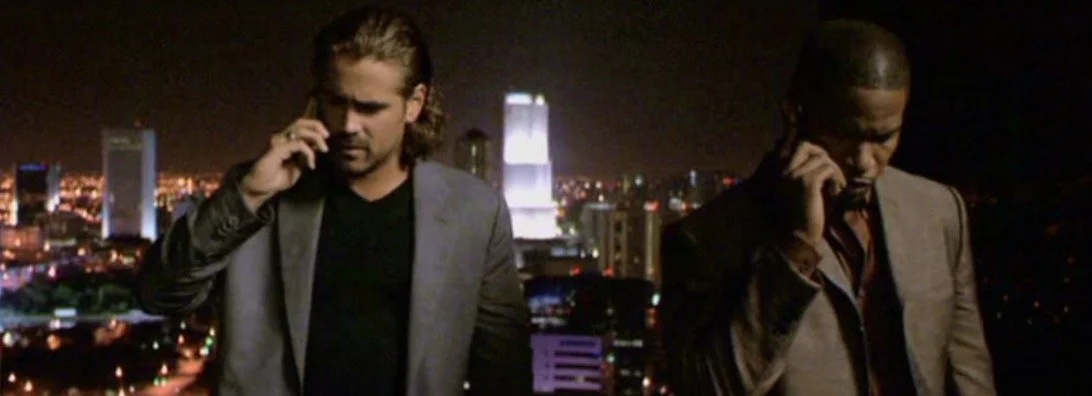
The “Miami Vice '85” cast keeps growing. Andrew Schulz has boarded Joseph Kosinski's big-screen reboot for Universal, per Deadline, joining leads Michael B. Jordan and Austin Butler.