




This is one of the stranger awards stories of the season, and opinion seems split on it.
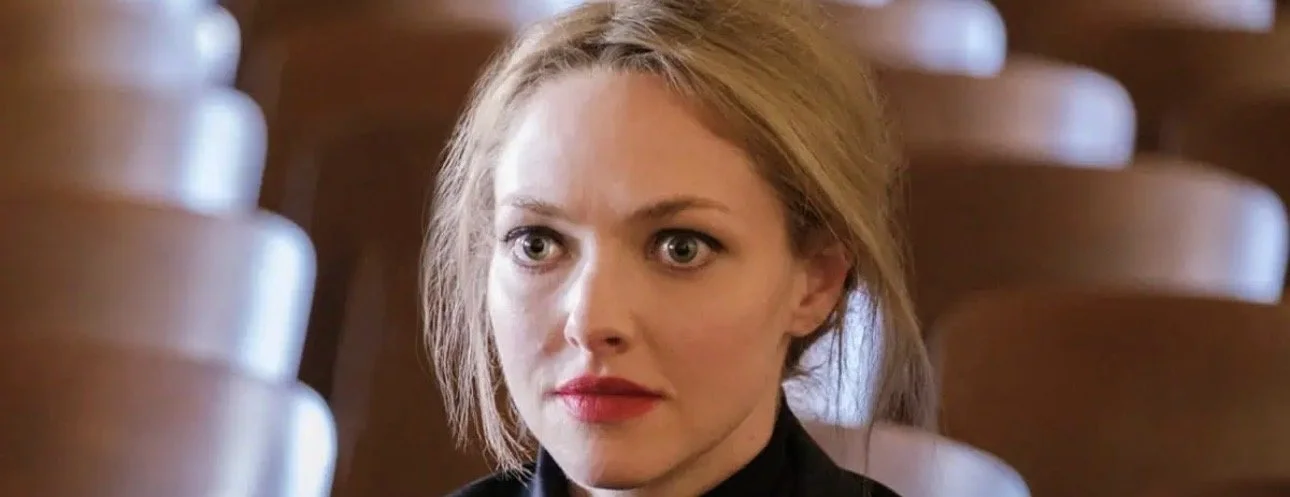
Amanda Seyfried could be in the Oscar supporting actress conversation for a documentary. She's playing Elizabeth Holmes again, four years after winning the Emmy for the same role in “The Dropout.” This time it's in Nathan Fielder and Lance Oppenheim's acclaimed “You Can See Everything.”
In the “doc,” Seyfried appears in the dramatized reenactments of moments that were never filmed. Is that a performance or a documentary device? The awards bodies can't agree.
Scott Feinberg at THR confirms The Critics Choice Awards ruled Seyfried eligible for Best Supporting Actress. The Golden Globes, BAFTA and the SAG Awards all ruled her ineligible. SAG-AFTRA even nudged A24 to file a formal appeal, but insiders say A24 won't bother. The studio now has its sight set on Oscars.
Now, this is where it gets interesting. The Oscars submission deadline was yesterday, and the branch executive committees will now review the entries. Official word comes in early December.
No performance in a documentary has ever been nominated by a major awards group. Many people weren't sure it was even allowed. Will the Academy be more open to it than the Globes? Oh, and Seyfried is totally game to campaign.
A campaign is a lot. It's time-consuming. It takes all your energy. And I'm totally willing to do it.
She told Feinberg she does see the work as a performance and called the reenactments "definitely a challenge." She also said she isn't sure the film is fully a doc at all, calling it "very genre-bending." Then she addressed the campaign trail:
I'll be honest. When I watched “You Can See Everything,” before any of the Oscar talk started, it never crossed my mind that Seyfried could be a contender. That's not a knock on her. The reenactments are very much a part of the real footage that I never felt like I was watching an actress at work. It felt like reality in motion, with nothing about it fictionalized. Nothing screamed "performance."
Oh, and by the way, Seyfried doesn't come off as a saint in this movie either. Not even close. Once she stops playing Holmes and shows up as herself, she's judgy. Very judgy. There's a scene where she tries to defend her exaggerated Holmes from “The Dropout,” and it's odd. A bit shallow, actually.
Her whole defense is basically "it was TV." Fielder tells her that Holmes blamed “The Dropout” for getting her bullied by other inmates, and Seyfried gets really defensive. She says they were "working in fiction-land," that she was just playing a character, that she "didn't do that" to Holmes. By their last scene she's had enough and snaps at Fielder: "They're not lies. It's f***ing TV." Okay, sure. But Holmes is the one in prison dealing with it, not you.
I will say that she's semi-redeemed by her awesome, time-capsule-worthy verbal fight with Billy Evans, which is absolutely jaw-dropping and essential to the entire film’s thesis. What a crazy moment — one of many in this insane film.
So, I ask readers, can Seyfreid actually get nominated? Should she get nominated? It’s all rather odd and unprecedented — we’ve never really been in this kind of territory before.

In the “doc,” Seyfried appears in the dramatized reenactments of moments that were never filmed. Is that a performance or a documentary device? The awards bodies can't agree.