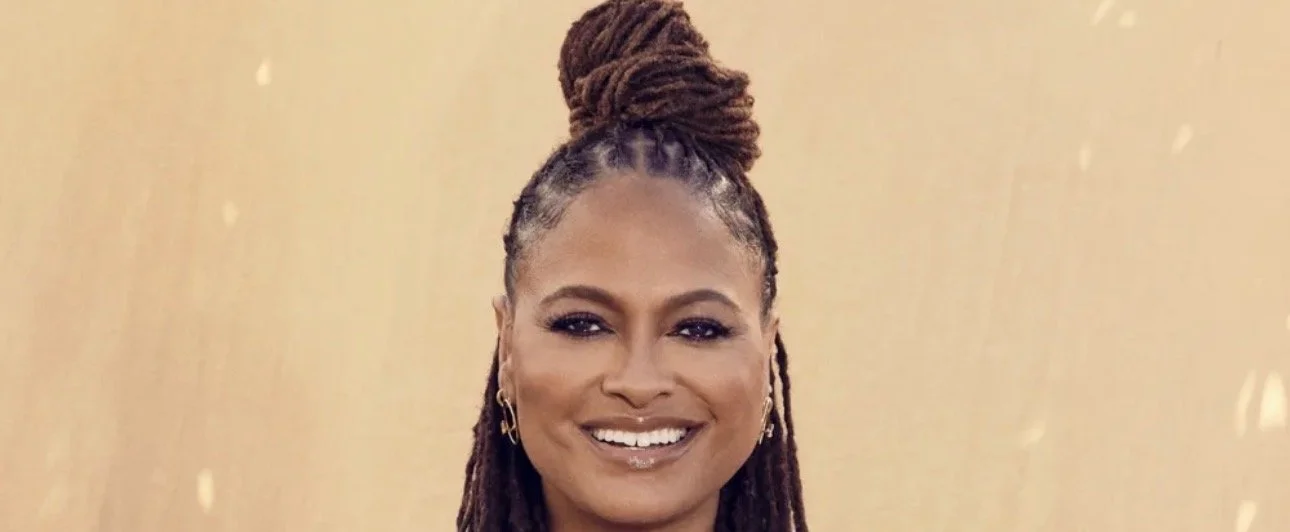
Ten years after “13th,” Ava DuVernay is back with its companion piece. “14th” screened Friday at the New York Film Festival, and the conversation afterward wasn't really about the Fourteenth Amendment.
A quick refresher: “13th” hit Netflix in 2016, landed an Oscar nomination, and became one of the most acclaimed documentaries of that decade, tackling the Thirteenth Amendment's connection to mass incarceration. “14th” does the same with the Fourteenth: citizenship, voting rights, the insurrection clause. Then it connects all of it to the Trump administration's policies.
Now, here's the problem. In “14th,” DuVernay "brings to life" a series of black-and-white archival photographs. The people in them blink and laugh. This left several critics uneasy about the apparent use of generative AI, and even what were supposed to be positive reviews have singled it out as a flaw.
So, in a nutshell, DuVernay used AI to reanimate real Black Americans from the post-slavery era, people who can't consent to having their faces made to blink and smile, in a film that is very much about who gets to control their own image and their rights.
What I've noticed most about the AI debate within the film industry is a stark generational divide. Younger filmmakers, artists, and audiences tend to view AI with skepticism, concerned about its impact on creativity, employment, and the value of human-made work. Meanwhile, many older creatives and executives see it as a tool for innovation and cost reduction. What do everyday moviegoers, the ones who aren't extremely online or invested in industry discourse, think about AI? I don't think they care nearly as much. After all, Netflix has used it in such abundance these last few years and without losing any subscribers.
DuVernay now joins a long list of big-name filmmakers who've… gone there: Darren Aronofsky, Steven Soderbergh, Martin Scorsese, James Cameron, Harmony Korine, Gaspar Noé, Gareth Edwards, Eli Roth, Michael Mann, Peter Jackson, Robert Zemeckis, Roger Deakins, Werner Herzog, Doug Liman, Brady Corbet, Andy Serkis, Alex Proyas, George Miller, Jacques Audiard, Roger Avary, and, of course, Paul Schrader.
Notice a pattern? These are mostly established, older filmmakers with nothing left to prove. The younger generation hates this stuff; the veterans seem oddly curious.
Still, my main question is whether the younger generation of creatives will become as open to AI as these older filmmakers. The technology will eventually become inescapable, and when push comes to shove, if the only way to bankroll a pricey passion project is to incorporate some of it, they will have to decide whether it's worth setting aside their principles to make it happen. Odds are, they will.

Zobel broke out with "Compliance" (excellent) and "Z for Zachariah" (fine) before building an excellent prestige TV résumé: "The Leftovers," "Westworld," "Mare of Easttown," and most recently, "The Penguin."