

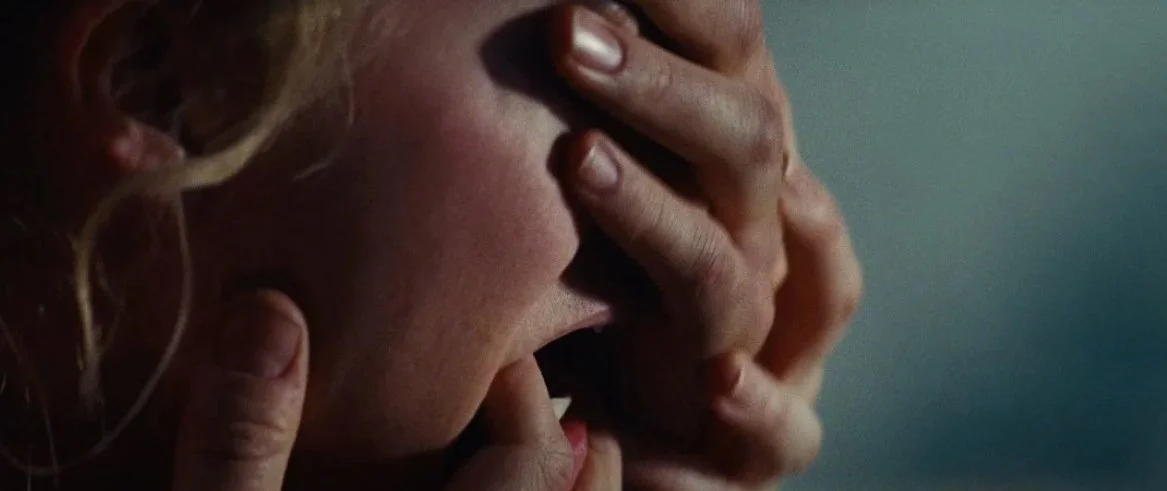
Emerald Fennell is speaking for the first time about her upcoming adaptation of “Wuthering Heights”, addressing the controversy surrounding the film’s casting, trailer, and what she describes as a “sexual” and “primal” film.
Speaking publicly (via Variety) at the Brontë Women’s Writing Festival over the weekend, Fennell, known for “Saltburn” and “Promising Young Woman”, said Emily Brontë’s gothic classic “cracked me open” when she read it at 14. “I’ve been obsessed. I’ve been driven mad by this book,” Fennell said. “I know that if somebody else made it, I’d be furious. It’s very personal material for everyone. It’s very illicit. The way we relate to the characters is very private.”
So, Fennell must then be furious that there have already been seven film adaptations—not to mention five more for TV—of Brontë’s classic novel.
The film was described by one test attendee as “aggressively provocative” and “tonally abrasive,” leaning hard into Fennell’s now-familiar brand of overstylization. It’s a sensual take on Brontë’s novel, full of salacious imagery. Reports suggest the adaptation will “diverge significantly” from the source material, playing out much as one might expect from Fennell reinterpreting a literary classic through her increasingly polarizing lens.
This could well be the most unusual “Wuthering Heights” to date—and that might not be a bad thing. The last thing anyone wants is another by-the-numbers adaptation. What the next film version needed was a jolt of fresh energy, something bold and unexpected. For better or worse, that seems to be exactly what Emerald Fennell may have delivered.
Regardless, Fennell said her adolescent experience with the novel shaped her approach to the film, a sex-charged retelling of Catherine Earnshaw and orphan Heathcliff’s turbulent relationship. “It’s an emotional response to something. It’s primal, sexual,” she explained. She added that tackling the project has been “a kind of masochistic exercise, because I love it so much, and it can’t love me back, and I have to live with that.”
Fennell’s film will feature hyper-sexualized imagery—far more explicit than any previous adaptation of this material. It opens with a public hanging that quickly descends into grotesque absurdity, as the condemned man ejaculates mid-execution, sending the onlooking crowd into a kind of orgiastic frenzy. A nun even fondles the corpse’s visible erection.
Later, a woman is strapped into a horse’s reins for a BDSM-tinged encounter. There are several masturbation scenes. The camera lingers on suggestive textures: egg yolks running through fingers, dough being kneaded with quiet aggression, a slug sliding slowly down glass.
The production has also faced backlash over casting Margot Robbie as Catherine and Jacob Elordi as Heathcliff, with critics calling for a Black actor to play Heathcliff, described in Brontë’s text as having dark hair, dark eyes, and dark skin. Fennell defended the choices, recalling the moment she “wanted to scream” upon seeing Elordi with sideburns on the Saltburn set, noting he “looked exactly like the illustration of Heathcliff on the first book that I read.”
For skeptics, Fennell stressed the novel’s enduring power comes from its elusiveness. “No one is in agreement about any element of it,” she said. “I can’t make something for everyone.”
Warner Bros has set up a Valentine’s 2026 release for “Wuthering Heights.”

Before practically going bankrupt, Row K had planned to release "Cliffhanger" in August 2026 on more than 3000 screens nationwide — hopefully with Vertical it hits as many theaters.