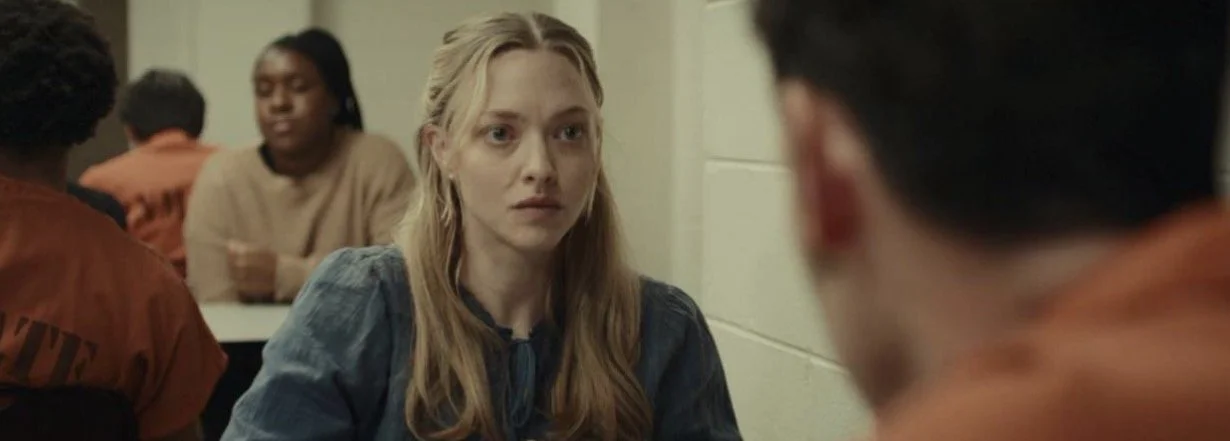
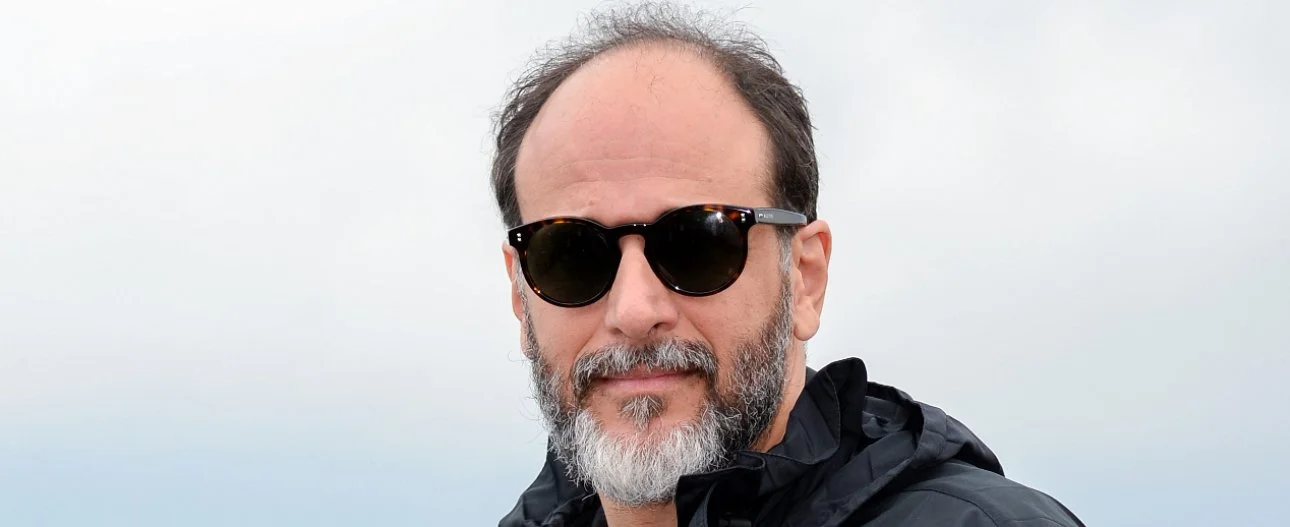
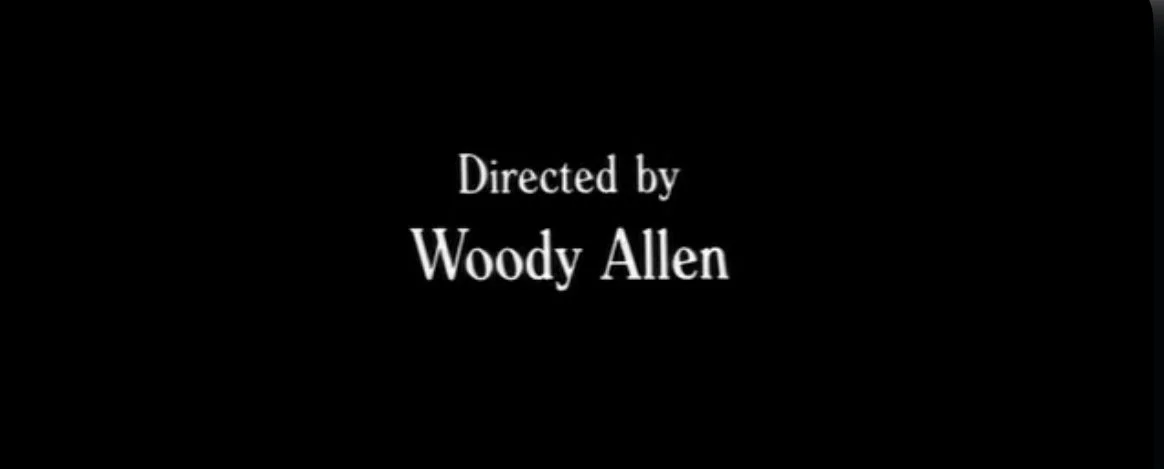
Last night, as the lights went out, and Luca Guadagnino’s “After the Hunt” began, the opening credits evoked the same aesthetic found in Woody Allen’s films, with an old-timey song playing in the background. Vulture’s Bilge Ebiri, sitting on my right, nudged me, simply saying, “that’s Woody’s font.”
It surely couldn’t be a coincidence that Guadagnino, whose film tackles a #MeToo-era accusation, would choose the exact same iconic font as Allen’s. Allen, of course, remains a divisive figure: some believe he has been unjustly accused of sexual assault, while others insist there is validity to the allegations.
That’s essentially “After the Hunt” — a he said/she said story starring Julia Roberts as a beloved college professor who finds herself at a personal and professional crossroads when her student (Ayo Edebiri) accuses a friend and colleague (Andrew Garfield) of crossing a line.
At this morning’s Venice Film Festival press conference, someone inevitably asked Guadagnino if his intention was indeed to mimic Allen’s font, and if so, why he paid tribute to him.
“The crass answer would be, ‘Why not? That is a canon that I grew up with, and when I started thinking about this movie with my collaborators, we couldn’t stop thinking of “Crimes and Misdemeanors” or “Another Woman” or “Hannah and Her Sisters.” There was an infrastructure to the story that felt linked to the great oeuvre of Woody Allen from 1985 to 1991,’” Guadagnino said. “I played with that graphic and font a few times before this, and I felt it was an interesting nod to thinking of an artist who has been, in a way, facing some sort of problems about his being and what is our responsibility in looking at an artist we love like Woody Allen.”
Back in 2019, Guadagnino publicly defended Allen, comparing the filmmaker’s situation to the Scarlet Letter:
I still am a believer in state of rights; Mr. Allen went through many investigations 20 years ago and was cleared. The Woody Allen legacy — those movies are there, and they are fantastic. Anyone who denies that “Another Woman” is masterpiece is stupid!
“After the Hunt” does bear a striking stylistic resemblance to “Crimes and Misdemeanors,” but there’s much more to the Allen connection than just that. Simply put, whether he ever admits it or not, I truly believe Guadagnino was implying something more in his ode to Allen — something that goes beyond the films and into the controversies surrounding the blacklisted filmmaker.
Make what you will of it, but there’s a message being implied here by Guadagnino, and after you watch “After the Hunt,” you’ll understand what it is.

Criterion's December lineup has some great additions to the library, but the title that jumped out at me is Werner Herzog's "Grizzly Man," which officially joins the Collection on December 8.