

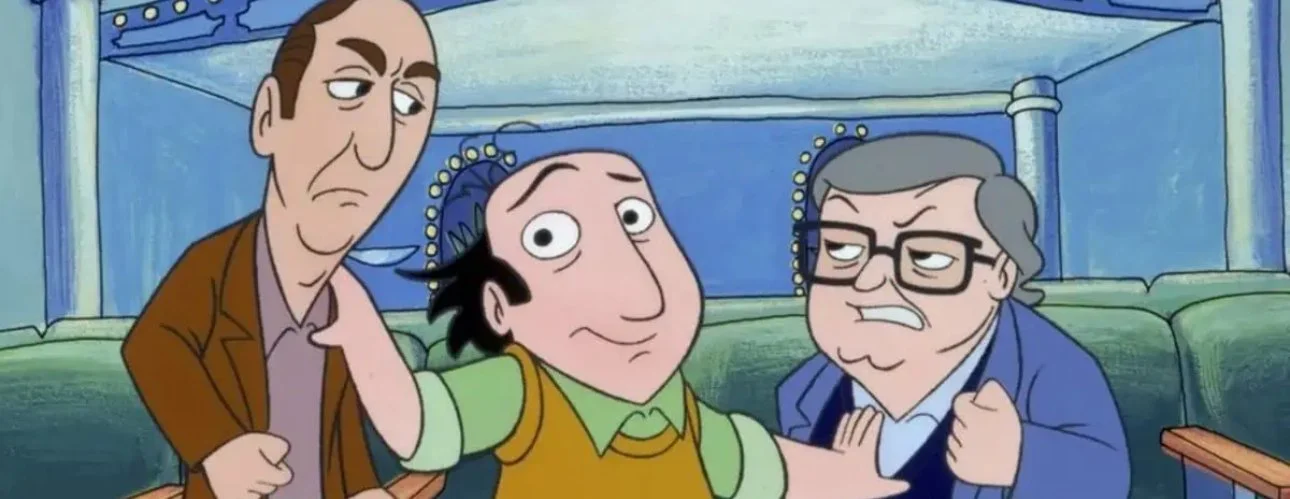
“You’re Too Harsh.” Maybe. Or Maybe Everyone Else Is Too Soft.
Readers often tell me I’m too harsh on movies, that I nitpick, that I don’t “let movies be fun,” that I expect too much from today’s filmmakers. Maybe they’re right. Or maybe the problem is that most critics aren’t being harsh enough. These days, mediocrity gets called “bold,” forgettable blockbusters are labeled “instant classics,” and the word masterpiece gets tossed around like popcorn at a Thursday night Marvel screening. Someone has to push back. I’m not here to flatter the industry —I’m here to be honest.
Criticism used to mean something. It was about holding filmmakers to a standard. Now? Too many reviews read like sanitized press releases. Every other film is getting 3.5 to 4 stars—movies that, twenty years ago, wouldn’t have cracked a festival sidebar, let alone gotten praised in the New York Times.
There’s more to it, of course. Let’s start with the obvious: score inflation. With Rotten Tomatoes and Metacritic front and center, critics feel pressure to “go Fresh.” A mixed review becomes a net positive. Many will admit, privately, they bump scores up so they don’t look like the odd one out.
But it’s not just about aggregators. This is about the state of film criticism itself.
Access is everything now—screeners, festivals, interviews. So there’s an unspoken rule: don’t piss off the studios. Publicists are watching. Say the wrong thing too often and you lose early invites. I’ve seen it happen. I’ve lived it. It’s why so a lot of criticism today is vague, wordy praise that avoids saying anything real.
Then there’s the bigger issue, and I’ve said this before, a lot of modern critics just don’t know film. Not like the old guard did. Read Kael, Ebert, even cuckoos like Richard Brody/Armond White on a good day—you feel the depth. They knew film history. They could read style, form, technique. Today, too many reviews are built on vibes, emotional reactions, or how “important” a movie feels socially.
Film schools are pumping out future critics who’ve never seen a Godard or an Ozu. Tarkovsky gets name-dropped by people who haven’t made it past “Stalker.” The cinephile culture is fading, replaced by a culture of content, social consensus, and PR talking points. Instead of challenging filmmakers, critics are just cheering them on.
Some of that’s about fear. No one wants to be accused of “attacking” a film made by a woman or person of color. But let’s be clear: championing a movie just for what it represents isn’t criticism—it’s marketing. And audiences notice. That’s why we keep seeing critic-audience splits. The people aren’t buying what the critics are selling.
Criticism isn’t dead, at least, not yet. There are still a few out there calling it like it is. But they’re harder to find. The alt-weeklies are gone. The independent outlets are struggling. What’s left is a field where too many writers are managing careers, not engaging with the art.
Until that changes, get ready for more puffed-up praise, inflated scores, and so-called “masterpieces” you’ll forget about by next weekend.

Edward Berger seems to have settled on what comes next. His Lance Armstrong biopic, starring Austin Butler, is now holding casting calls, with production eyed for January.