

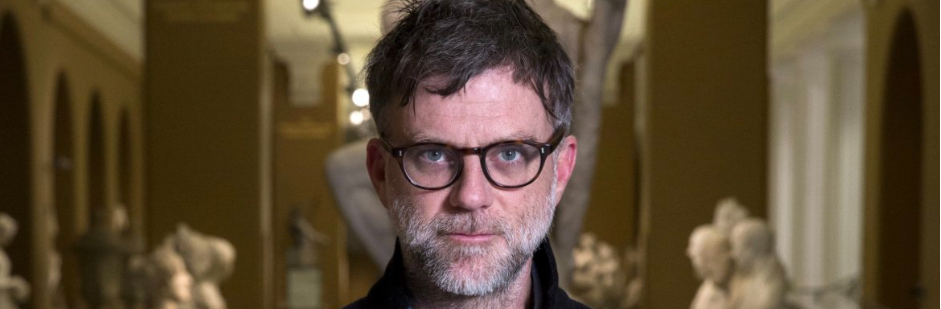
While many of the year-end top 10 lists will no doubt call 2025 a weak year at the movies, and Hollywood may still be stuck in its usual doom-and-gloom routine, Paul Thomas Anderson isn’t buying the narrative that the sky is falling—at least not this year.
Speaking to Le Monde while discussing “One Battle After Another,” PTA pushed back on the idea that the industry no longer greenlights daring, original projects.
The existence of a film as strange, ambitious, and categorically unplaceable as “One Battle After Another” would seem to raise the familiar question: Can Hollywood still make more of these? But Anderson rejects the negativity that has come to define the modern studio ecosystem.
“The whole industry is constantly complaining. The sky is always falling,” Anderson tells the outlet before naming his cinematic highlights of the year. “But let’s take a look at this year: “Eddington,” “Weapons,” “Bugonia,” two Richard Linklater films (”Nouvelle Vague” and “Blue Moon”), “Sentimental Value,” “Marty Supreme,” which is coming out. Whoever wants to start complaining about movies right now needs to cool it.”
Where’s “Sinners”? You have to mention that one, otherwise you’re a criminal.
Anderson did concede one point of frustration: “Do I think things get put on streaming too fast? Yeah, I do. I think that’s a drag. I think a lot of things that happen in Hollywood are self-inflicted wounds.”
A recent study showed that more movies are made today than at any other time in history. The U.S. produces around 2,500 features annually, compared with an average of 800 in the 1990s and 1,200 in the 2000s. Globally, output tops 8,000–9,000 films. Cheaper digital production and streaming platforms have fueled this boom, and with this vast volume of titles, the odds are there will be plenty of great art found somewhere in there.
If anything, PTA’s comments underline that great films will always exist—despite forecasted collapse, the movies keep showing signs of life.

Criterion's December lineup has some great additions to the library, but the title that jumped out at me is Werner Herzog's "Grizzly Man," which officially joins the Collection on December 8.