




The review embargo has finally lifted on James Cameron’s Avatar: Fire and Ash, and yes—I think I’m now allowed to admit that I was dozing in and out while watching it.
The most accurate word to describe this third entry in the franchise is dull. I say that reluctantly, because I genuinely wanted to like this movie. Instead, what Cameron delivers feels like The Way of Water 2.0, beat for beat, only longer, louder, and far more exhausting. It’s the kind of sequel that makes you wonder whether this saga has finally run out of oxygen—unless, of course, it clears another $2 billion at the box office, in which case Avatar 4 is all but inevitable.
I’m far from alone in this reaction. Fire and Ash currently sits at a lukewarm 59 on Metacritic and 66% on Rotten Tomatoes, making it the worst-reviewed film of the franchise to date. The dialogue is particularly painful; if you took a shot every time one of the blue people says “bro,” you’d be in the emergency room before the second act.
Everything here is inflated: the reported $400M+ budget, the 194-minute runtime, and the overwhelming number of characters Cameron insists on juggling at once.
Yes, the 3D visuals are impressive—as they always are—but what’s the point of technical mastery when the story is this scattered? There are so many competing storylines that explaining them in full would be exhausting.
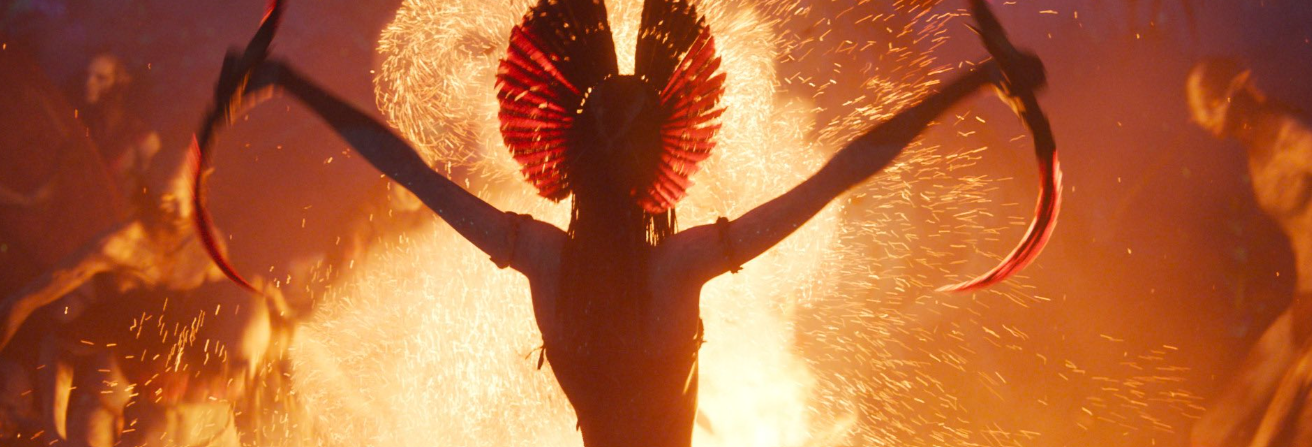
In short, the film picks up after The Way of Water, following Jake Sully, Neytiri, and their family as they grieve the loss of Neteyam while continuing to defend Pandora. We’re introduced to the Ash People, a volcanic Na’vi clan with a harsher worldview, led by Varang, while Quaritch’s return as a Recom further escalates tensions. Cameron leans heavily into themes of loss, trauma, vengeance, and whether unity among the Na’vi can prevent Pandora from being consumed by destruction—fire—and whatever remains after—ash. It’s all simply too much.
What’s most fascinating—and disappointing—about Fire and Ash is how it exposes the franchise’s diminishing returns. The first Avatar felt ahead of its time technologically. ‘The Way of Water’ pushed that innovation further, albeit with only a semi-involving plot. This third film, however, feels like a relic.
There’s nothing fresh or invigorating about the visuals anymore, nothing that justifies the excess beyond brand recognition. James Cameron, once cinema’s great pioneer, now appears to be operating on autopilot.

Netflix and Skydance Animation have also called it quits. The two sides announced Monday that they're ending the animated film deal struck back in 2023, framing it as a mutual decision.