
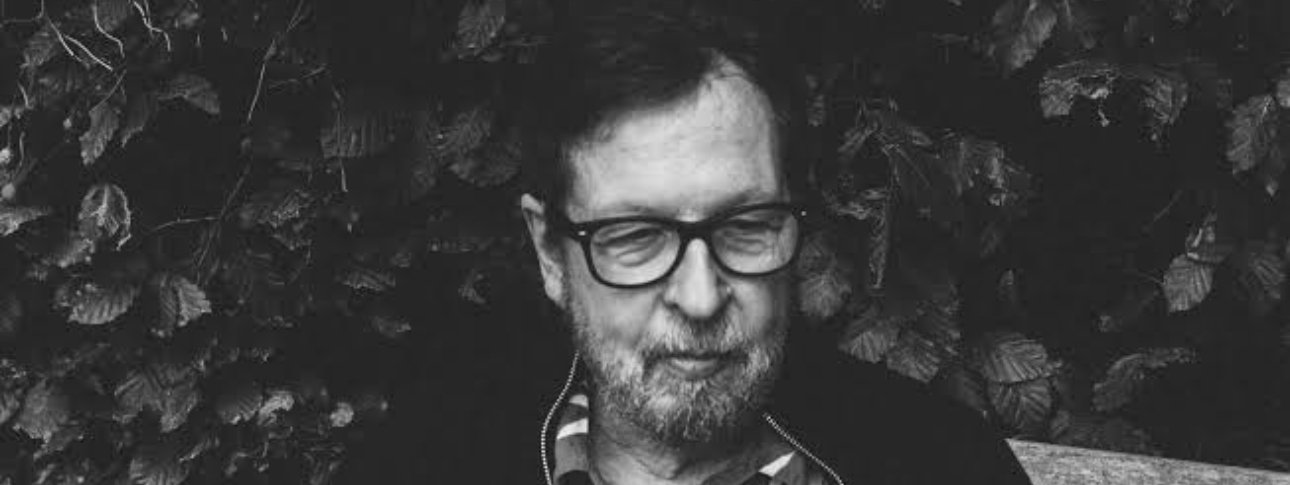
At the 26th Festival del Cinema Europeo in Lecce, Zentropa producer Louise Vesth was part of a Lars Von Trier tribute and detailed the filmmaker’s current creative phase.
As you all know, Lars von Trier has been diagnosed with Parkinson’s disease. I met him last week and, despite the circumstances, he was in very good spirits
Vesth then announced two new projects from Von Trier, while introducing a message written by the filmmaker, specifically for the occasion. Vesth confirmed that the director is developing “After,” a project described as Von Trier’s “final film.”
He no longer works full days as he used to, but I can say with certainty that it is a project in continuous evolution,” she explained. According to Vesth, the film is still undergoing “structural shifts, shaped by alternating periods of writing and conceptual revision.
Beyond discussing “After,” Vesth also unveiled an even more ambitious project, and this might be what Stellan Skarsgaard was alluding to when he described Von Trier working on a film inspired by Chros Marker’s “La Jetee”:
We are thinking of a monumental project, because Lars wants to make available to the audience all the knowledge and perspectives he has accumulated over years of work.
The idea centers on a 100-episode series blending archive material with intimate reflections and explorations of film language, designed to map Lars von Trier’s creative terrain in its entirety. By gathering his methods, inspirations, and enduring fixations, it would offer an accessible portrait of his art — a kind of encyclopaedia brought to the screen.
I truly hope Von Trier, who hasn’t directed a feature since 2018’s “The House That Jack Built,” gets to complete what looks to be his final film. He lives and breathes cinema. That’s all he’s been doing for the better part of 40 years.
Few would dispute the influence Von Trier has had on modern cinema. His bold vision and unmistakable style continue to resonate throughout contemporary film, with works like “Breaking the Waves,” “Melancholia,” “Dancer in the Dark,” and “Dogville” remaining powerful evidence of his legacy.

Gerwig says her Netflix-bound "Narnia" is not a retread of the past movies; instead, she "wanted a rock opera," starting from scratch with C.S. Lewis's origin story, the one in which Narnia is actually born.