



Here’s a quick note on something that’s been on my mind for a few months.
I’ve been tempted to stop posting early test screening reactions altogether — especially after “Hamnet” and “Sinners” both generated mixed responses during previews, only to be praised once they hit wider audiences. It’s a reminder that test screenings are far from a reliable indicator of a film’s final impact.
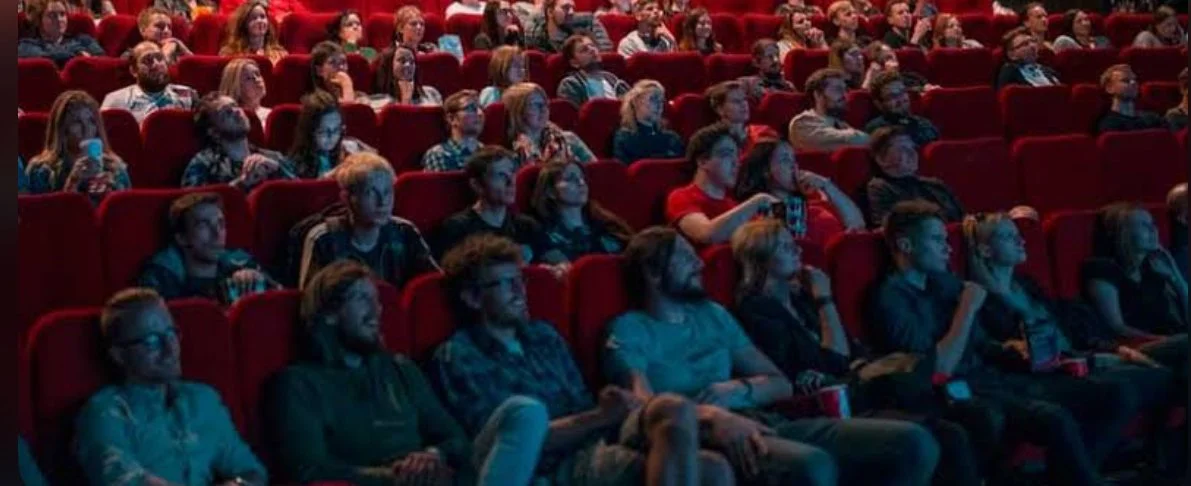
Some will take test reactions as gospel, while others, rightly so, will see it for what it is — a snapshot of one audience at one moment, not a final verdict on a film’s worth or impact. The problem is that posting these reactions inevitably sets a perceived quality standard for the film..
Some famously great films stumbled in early screenings. “Fight Club” was considered a disaster by executives. “The Shawshank Redemption” tested poorly and was dismissed as too slow. “Terminator 2,” “Blade Runner,” “The Matrix,” and “Mad Max: Fury Road” all confused or alienated early audiences — and yet each became a landmark of modern cinema.
It should be noted that test audiences are usually carefully selected, not random moviegoers. The goal is to gauge general appeal, but their reactions don’t necessarily reflect how the wider audience will respond — or how film critics, who often have their own curated tastes far removed from the mainstream, will react.
So, what’s the solution? Maybe I can focus less on subjective reactions and more on the film itself — what it’s about, how it’s structured, what tonal or stylistic choices it’s making. That approach worked well in my recent piece on David Robert Mitchell’s “Flowervale Street,” where I broke down what was actually on the screen instead of reporting on a handful of attendee reactions
Maybe that’s the better way forward. What do you think?

The short version: "Woman Unknown" was a compromise. The jury deadlocked over "Possible Love" and "NAZA," not able to com to terms, fell back on their #3, May el-Toukhy's film.