


Charlie Kaufman was at the Mostra de São Paulo in Brazil, presenting his new short film “How to Shoot a Ghost.” This must be one of the most in-depth, career-spanning conversations Kaufman has given. Shout out to Ania for sending me her report of the event.
We already know Kaufman hasn’t directed a film since 2020’s “I’m Thinking of Ending Things,” and that what was supposed to be his next one, “Later the War,” had its production shut down in Serbia due to financial difficulties. This has led to Kaufman working on another potential film with Polish cinematographer Michał Dymek (“EO” and “The Girl with the Needle”), which he’s “starting to plan” out and, in his own words, hopes to return to the São Paulo next year to screen it.
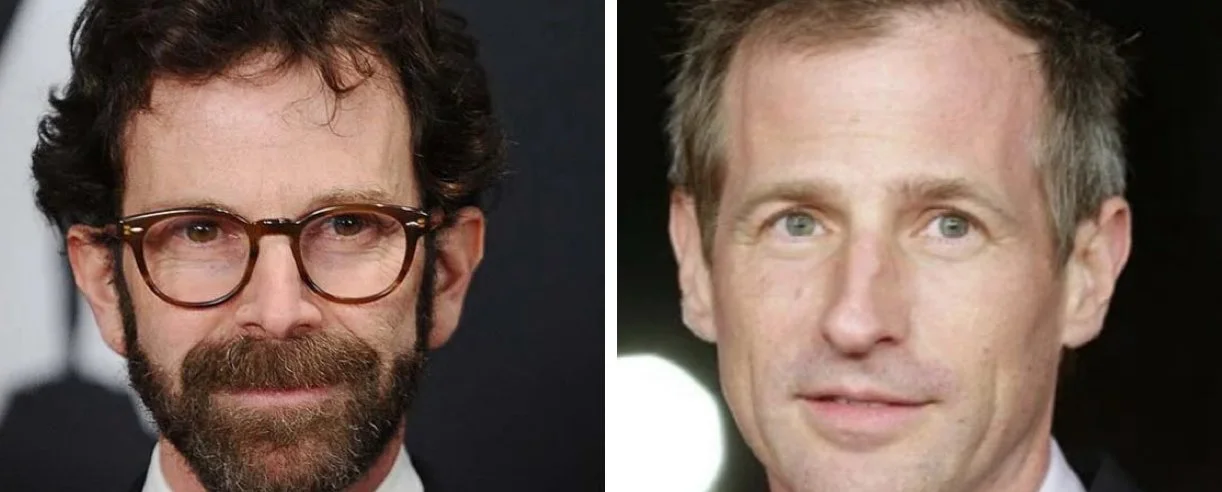
More intriguingly, Kaufman confirmed he’s had discussions with Spike Jonze about doing another film together. This is music to my ears. Kaufman and Jonze broke out big with “Being John Malkovich” (1999) and “Adaptation” (2002), but haven’t made anything together since.
In fact, Jonze hasn’t directed a film since 2013’s “Her,” which has aged like fine wine over the years. It’s become such a prescient film for our times, and with AI currently advancing on overdrive, it’ll likely resonate even more as time goes on. Regardless, another Jonze/Kaufman collaboration would be wonderful — it’s ridiculous that it’s taken this long for them to work together again.
One Kaufman project that’s no longer happening—or at least, not with him involved—is the AI film he was supposed to write for director Bennett Miller. He admits that trying to write about AI scared him; he couldn’t make sense of the material, so he dropped the project. It was the first time he’d ever done such a thing for a project he was legally attached to.
Whether Miller, who himself hasn’t released a film in over 10 years, continues on with the project is unclear, but I bet he does.
Finally, Kaufman is also writing a new novel, about an actor writing a book about acting—which gives off major “Adaptation” vibes. If you haven’t read his last book, “Antkind,” then you’re missing out. It’s a deliriously brilliant, nearly undescribabe read — a satire, a love letter to cinema, and a self-portrait of creative obsession that deserves to turned into a film.
Regardless, Kaufman remains one of cinema’s most singular voices. He’s a reminder that true originality still exists, even if it takes its time.

Paul Greengrass’ "The Uprising," starring Andrew Garfield, opened to $3.2M from 2,068 theaters this weekend. Yikes. The budget hasn’t been disclosed, but is said to be in the $20-$30M range.