
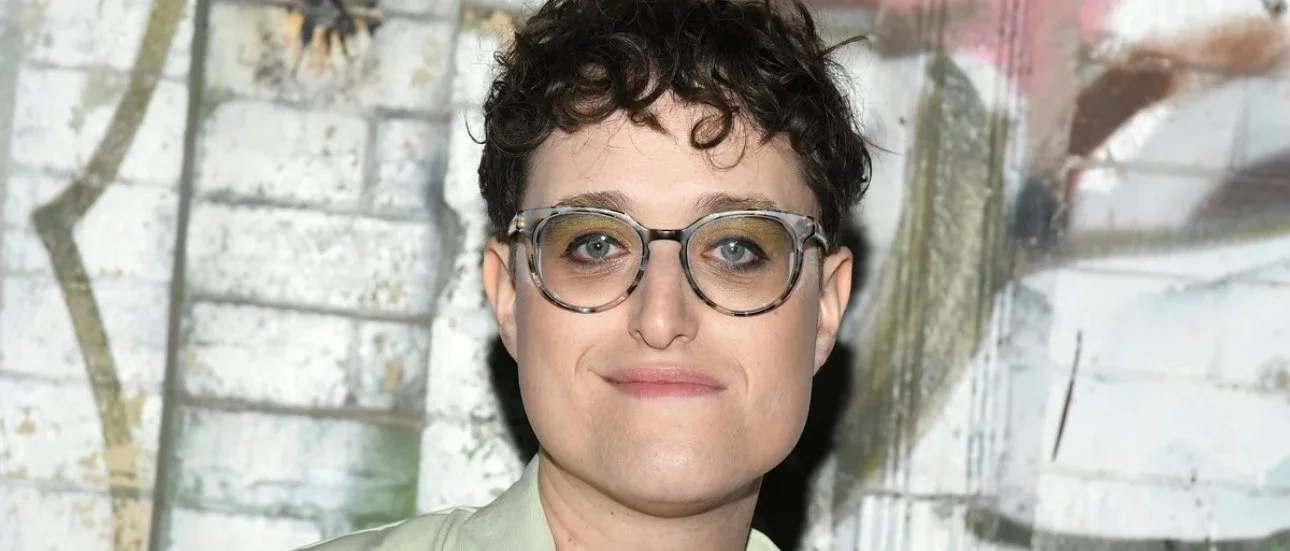
Surprise! After garnering critical acclaim with last year’s “I Saw the TV Glow,” Jane Schoenbrun has decided to head to Netflix.
Schoenbrun is set to write and direct “Black Hole” for the streamer, based on Charles Burns’ comics. This is certainly a plot twist, as I expected Schoenbrun to continue working in filmmaking, but it seems that the source material was too enticing to pass on.
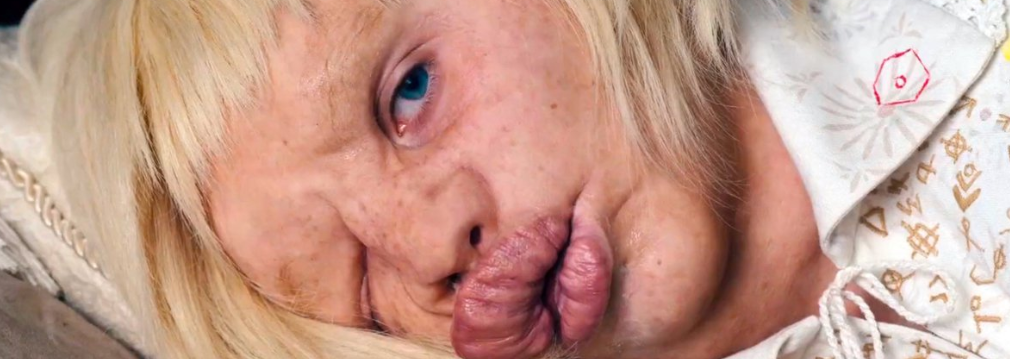
Published between 1995 and 2005 and later collected as a graphic novel, “Black Hole” follows teens who contract a sexually transmitted disease that causes bizarre physical mutations. Netflix summarizes:
In the seemingly perfect town of Roosevelt, a myth warns that early sex spreads a virus that turns teens into monsters. Chris dismisses it—until a reckless night at the start of senior year leaves her infected. Cast out to the woods with others like her, she must face a new terror: a serial killer hunting them one by one.
David Fincher was once attached to direct a film adaptation of Burns’ graphic novel, with a screenplay by Neil Gaiman and Roger Avary. However, his involvement was short-lived, as he stepped away from the project by 2010 to focus on “The Girl with the Dragon Tattoo.” Although there were occasional rumors of his return, the film never materialized.
In the meantime, Schoenbrun recently wrapped production on a feature, “Teenage Sex and Death at Camp Miasma,” which we can expect to potentially premiere at this coming January’s Sundance Film Festival.
Schoenbrun had previously told Filmmaker Magazine that the film would “both honor and critique” the “gender deviance” connected with the serial killer genre, exploring how films “created and codified an idea of transness as monstrous.”
“I Saw the TV Glow” grossed $4M at the domestic box office — its budget was said to be around $5M. The film was showered with rave reviews; Hell, even Martin Scorsese heaped praise on it, calling ‘TV Glow’ “emotionally and psychologically powerful.”
Even after just two films, Schoenbrun’s cinematic obsessions are quite clear: young people struggling with identity in the digital age. After “We’re All Going to the World’s Fair,” Schoenbrun yet again tackled media consumption overload and the moving images that can possess young minds. ‘Camp Miasma’ and “Black Hole” will continue on that path.

Still no distributor for "Bucking Fastard," "Alpha Gang," "The Last Photograph," "Closing Night," and "The Life and Deaths of Wilson Shedd." The issue seems to be quality more than a lack of willingness to buy.