A quiet day, news-wise, so I’ll post something that’s been in draft for a little while now.
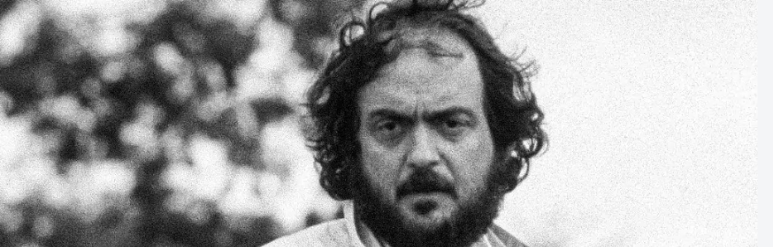
Stanley Kubrick would have turned 96 this year. And yes, I’ll say it: in my view, he’s still the greatest filmmaker to ever live. One could make a strong case for Hitchcock, Welles, or Kurosawa — their influence on the art form has indeed been immense — but for me, it’s always been Kubrick.
Kubrick’s influence is everywhere you look in modern cinema, yet his films remain impossibly, defiantly timeless. You can watch “Barry Lyndon” or “2001: A Space Odyssey” today, and there’s no sense that you’re looking at a movie made 50 or 60 years ago. That’s the extraordinary thing about Kubrick.
What makes him so great? The obsession he brought to every film, every frame, every cut.
Kubrick’s visual and cutting style was unmatched. There’s never a moment in his films where you think, “This should have been cut faster,” or, “This close-up ruins the pacing.” Every shot feels perfectly measured. Kubrick instinctively knew the rhythm of cinema. Where he got that sensibility is fascinating to consider. Were directors like Murnau or Eisenstein guiding him? Or did he just have an innate sense of timing? Few, if any, directors had a better handle on editing as a form of storytelling than Kubrick.
He could tackle anything. Sci-fi, horror, war, period drama — no other filmmaker has navigated such varied genres with such technical precision and artistic merit. There’s truly something for everyone in his filmography, and yet every single one of them carries his unmistakable imprint.
Kubrick’s approach to actors was equally meticulous. He didn’t demand over-the-top method performances. He understood restraint, precision, and he was a casting genius. Ryan O’Neal, of all people, in “Barry Lyndon” is hypnotically perfect; Jack Nicholson in “The Shining” delivers arguably one of the actor’s greatest performances. Kubrick knew how to shape performances in-camera and in the editing room, often working seven days a week, pushing actors through countless takes to capture the perfect moment.
He crafted everything in the editing room, which is why when Todd Field recently said that the theatrical cut of “Eyes Wide Shut” was “only his first cut,” many could only imagine how different the film might have been had Kubrick taken a few more passes at it.
Kubrick saw editing as the heart of cinema: “It can make or break a film,” he once said. Biographer John Baxter, describing Kubrick’s process, elaborated that he would shoot scenes from multiple angles, demand scores of takes, and then spend months assembling the film. The final story, the rhythm, even the performances themselves often emerged only during editing.
Every Kubrick film was a product of intense research — obsession. He built libraries of material for “2001,” “Eyes Wide Shut,” and beyond. Even when tackling familiar ground — like “Full Metal Jacket” in the crowded Vietnam genre — he created something we hadn’t seen before. Much like David Fincher, his modern-day counterpart, he demanded excellence from actors, cinematographers, and really the entire crew. He controlled every aspect of production, from casting to the minutiae of mise-en-scène.
Kubrick’s cold, clinical, detail-obsessed approach now feels almost “normal” because it shaped so much of contemporary cinema. Look at Fincher, Nolan, Villeneuve — their precision, their control, their layering of meaning owe a direct debt to him. Yet Kubrick was never purely art-house; he was both mainstream and independent, commercial and experimental. He understood the democratic power of cinema — that it could be mass entertainment and high art simultaneously.
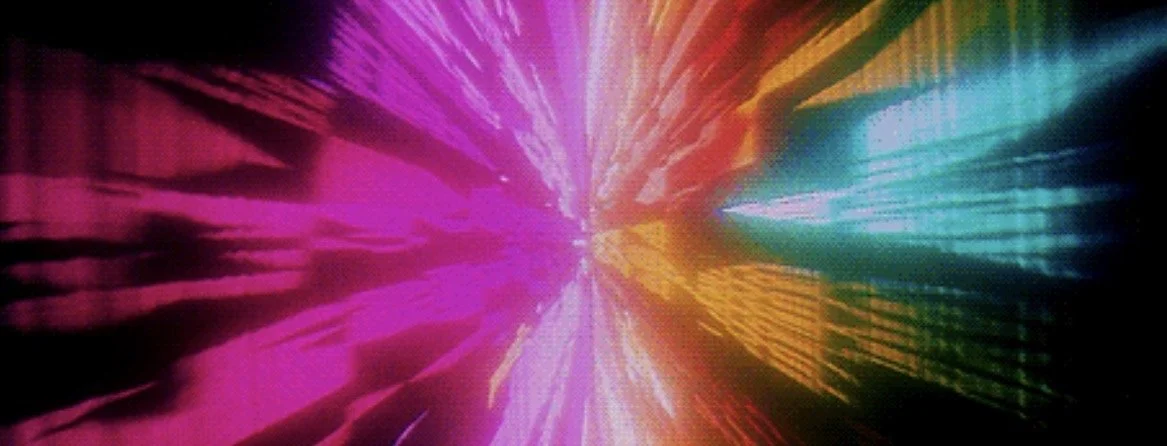
That said, I’ve created a poll. Vote for your favorite Kubrick — I know, it’s not easy, too many great films — but I’ll always go with “2001: A Space Odyssey,” primarily due to the immense effect it had on me the first time I saw it. The opening third (“The Dawn of Man”), and especially the final third (“Beyond the Infinite”), consumed me for months after having seen it, and the entire film still leaves me in a perpetual state of awe.

The film is set to shoot in fall 2027. The idea would be to release it in December 2028, timed to Trump's exit from office. Oh, and it's now Warner Bros.' indie label, Clockwork, that's backing the film.