
Martin Scorsese: 'Cinema is gone'


Good on you Marty, keep speaking the truth and fighting the good fight. Before anyone goes on to say that he's just an old, bitter man ... Please, do realize that he is not necessarily talking about European or Asian cinema. This is a sly aim at Marvel and Disney. The way they are running things these days does indeed signify the end of something in cinema. What exactly? I am not sure, but it isn't anything positive. The way they are trying to monopolize and mass-market their "movies" to the general public is definitely a doomsday for big-studio American filmmaking.

Scorsese had this to say to the Associated Press:
"Cinema is gone, the cinema I grew up with and that I'm making, it's gone."
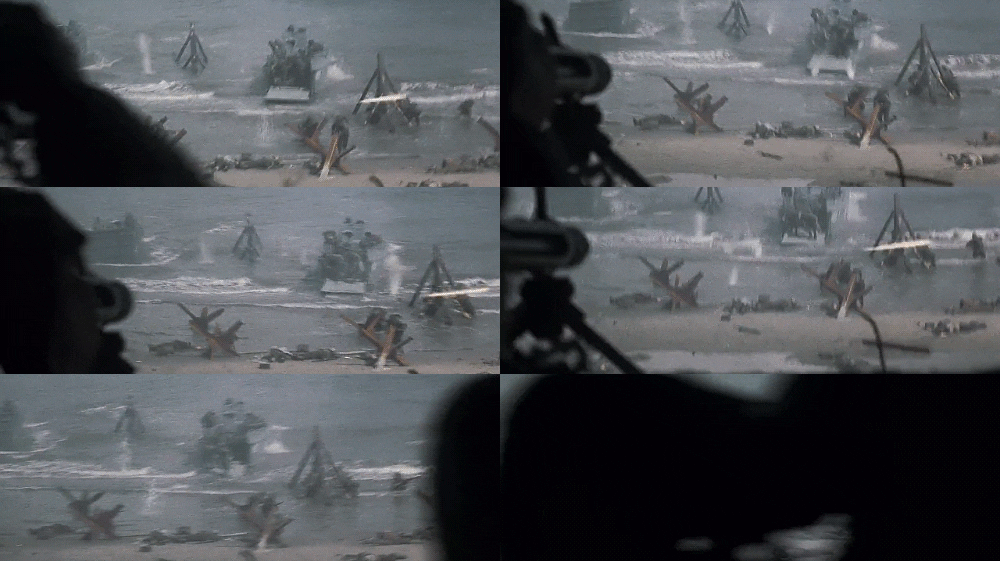
"The theater will always be there for that communal experience, there's no doubt. But what kind of experience is it going to be?" he continues. "Is it always going to be a theme-park movie? I sound like an old man, which I am. The big screen for us in the '50s, you go from Westerns to 'Lawrence of Arabia' to the special experience of '2001' in 1968. The experience of seeing 'Vertigo' and 'The Searchers' in VistaVision."
"It should matter to your life, unfortunately the latest generations don't know that it mattered so much."
"TV, I don't think has taken that place. Not yet, I tried it. I had success to a certain extent. 'Vinyl' we tried but we found that the atmosphere for the type of picture we wanted to make — the nature of the language, the drugs, the sex, depicting the rock 'n' roll world of the '70s — we got a lot of resistance. So I don't know about that freedom."
"If the younger people have something to say and they find a way to say through visual means as well as literary, there's the new cinema, I'm worried about double-think or triple-think, which is make you believe you have the freedom, but they can make it very difficult to get the picture shown, to get it made, ruin reputations. It's happened before."
"He wanted to make this film extremely differently from anything out there," says Thelma Schoonmaker, Scorsese's editor since "Raging Bull. ''He's just tired of slam-bam-crash. Telling the audience what to think is what he really hates. Trying to do a meditative movie at this point, in this insane world we're in now, was incredibly brave. He wanted to stamp the film with that throughout: the pace, the very subtle use of music."
"How many movies start without music at the very beginning under the logos?" she adds. "He said, 'Take out all that big Hollywood.'"

Scorsese will use CGI technology for "The Irishman" to make Robert De Niro Look As Young As He Did In ‘The Godfather: Part II’


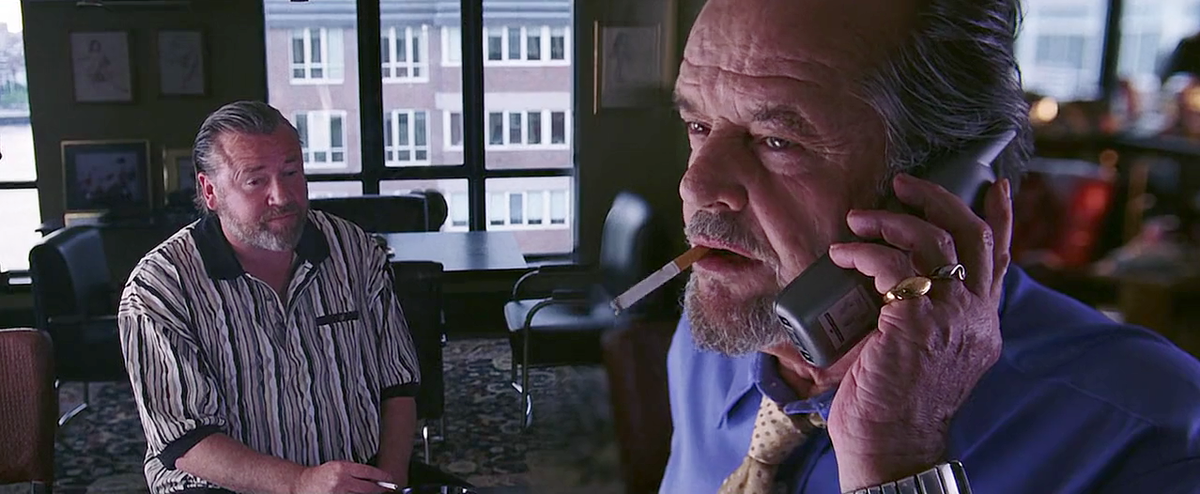
Scorsese's "The Irishman" hasn't even finalized a shooting schedule yet, or a cast for that matter, and it's already skyrocketed to the top of most cinephiles "most anticipated" films list. Why? Well, because it's a reunion of sorts for Martin Scorsese and Robert De Niro, one of the great actor/director partnerships in cinematic history, whom haven't made a film together since 1995's "Casino." If that isn't enough to wet your appetites, Harvey Keitel and Al Pacino would take part as well, but the only question mark at this point is if Joe Pesci will finally give in to Robert De Niro's constant phone calls about joining the cast. Pesci is retired from acting, but if anybody can convince him it would be De Niro and Scorsese, right?

"The Irishman"" Producer Gaston Pavlovich has confirmed that Scorsese and a tech team are looking for a way to "de-age" Robert De Niro for the upcoming film, set for release in 2018. This isn't the first this has happened, remember "The Curious Case of Benjamin Button?" The technology used in that film on Brad Pitt was stunning and that was more than 8 years ago now. Practical effects have gotten way better. 

Pavlovich further explains to Cinema Blend:


“Well, it’s an extraordinary technology that we’ve been looking at. You don’t use prosthetics, make-up, they have acting and the technology is able to have them go through different time ages without the prosthetics. So we’ve seen some tests and it looks extraordinary,” 


“We were able to film Bob and just do a scene, and we saw it come down to when he was like 20, 40, 60, so we’re looking forward to that, from that point of view, for ‘The Irishman’ … Imagine seeing what De Niro looked like in ‘The Godfather 2‘ days, that’s pretty much how you’re going to see him again.”


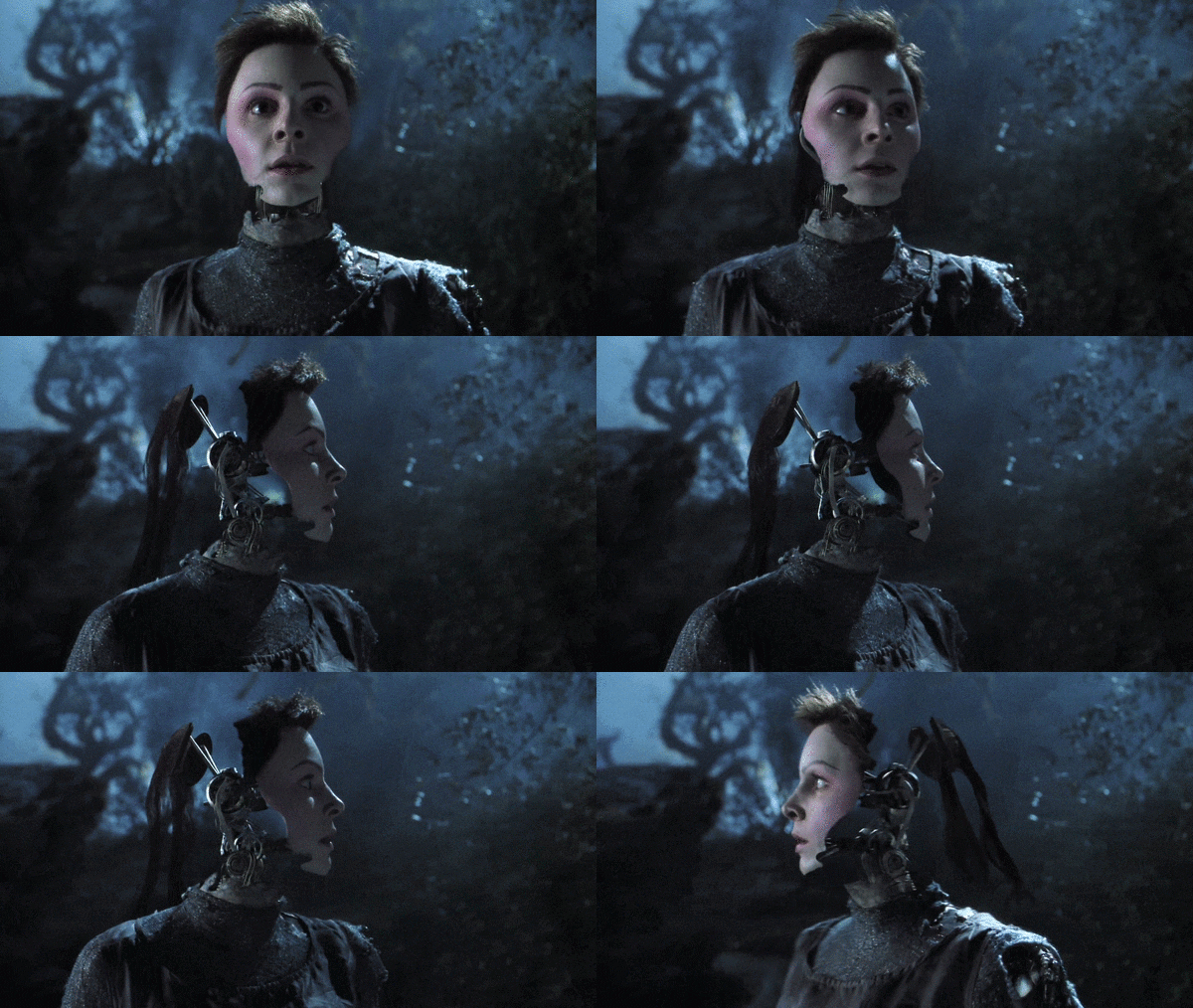
This news comes right after Peter Cushing's, ahem, "appearance" in "Rogue One." I was somewhat mixed on his "look" in the film, which left me somewhat cold and un-involved with his performance. 


Creepy, right? Look at the coldness in those eyes. Is there any sign of life? Although, the technology they used in Benjamin Button was on a living actor and not a dead one. So, who knows. That film did it way better than "Rogue One," because they had much more to work with. The "Cushing effect" will likely be used by many more films in the years to come. If there's anything groundbreaking about "Rogue One" it's that.

THE EMOJI MOVIE trailer will almost convince you that American cinema is dead


Yes, we all know Hollywood is running out of ideas. I have been warning people for months now that they're making an Emoji movie. People didn't believe me. Well, here you go. Further proof that a movie can get made about just about anything. I'm really curious how they will market this thing. I mean, what's the target demographic for this? People that like to use emojis? Teenyboppers that can get suckered into seeing just about anything as long as it is rammed and marketed down their throats. Total brainwash. This might go down as one of the worst ideas for a movie in a very long time. Anthony Leondis directs and this guy is known for the direct to DVD "Lilo & Stitch 2: Stitch Has a Glitch." Yikes, kill me now. Hey, maybe Almodovar and Scorsese were right about the sad state of affairs in American cinema ...

The synopsis has it like this:

THE EMOJI MOVIE unlocks the never-before-seen secret world inside your smartphone. Hidden within the messaging app is Textopolis, a bustling city where all your favorite emojis live, hoping to be selected by the phone’s user. In this world, each emoji has only one facial expression – except for Gene (T.J. Miller), an exuberant emoji who was born without a filter and is bursting with multiple expressions. Determined to become “normal” like the other emojis, Gene enlists the help of his handy best friend Hi-5 (James Corden) and the notorious code breaker emoji Jailbreak (Ilana Glazer). Together, they embark on an epic “app-venture” through the apps on the phone, each its own wild and fun world, to find the Code that will fix Gene. But when a greater danger threatens the phone, the fate of all emojis depends on these three unlikely friends who must save their world before it’s deleted forever.

“The Emoji Movie” opens on August 11, 2017.

Martin Scorsese says next film with Leonardo DiCaprio will be 'Devil in the White City'


“Right now, there is a script being worked on,” Scorsese said of an adaptation of Erik Larson’s book, The Devil in the White City: Murder, Magic, and Madness at the Fair that Changed America. Larson’s tale, based on a true story, entwines the stories of a notorious serial killer and the architect who designed the 1893 World’s Fair in Chicago.
“One of the things that I had to stop for the past six months,” Scorsese said about his final push to complete his new spiritual drama Silence, “was my meetings on that script. They want me to start again in January and see if we can find a way because it’s an extraordinary story.”
DiCaprio purchased the film rights in 2010. Scorsese said he looks forward to working again with DiCaprio, as they have on past films such as Gangs of New York, The Aviator, The Departed, Shutter Island and The Wolf of Wall Street. They share a vision on film and on life, he explained. “We’ve become very close and we really love hanging out together.”
Source

It might not be as great a collaboration as De Niro/Scorsese, but Dicaprio/Scorsese is as great a director/actor collaborative as we have these days at the cinema. I'm looking forward to this next chapter and do believe that what they have built over these last 16 years is something very special. 

Right now, I'd rank the Scorsese/Dicaprio's like this:

1) The Departed
2) The Wolf of Wall Street
3) The Aviator
4) Shutter Island
5) Gangs of New York

10 EXTREME examples of studios interfering with a director's movie


With all of these rumors about Garth Edwards having had problems with "Rogue One," it is not the first time, nor will it be the last, that such a clash of vision occurs with a major movie production. You can read the full details of studio interference in "Rogue One" HERE.

It’s not uncommon for a studio to mess around with a director’s movie. Some just take the abuse and don’t complain, while others wage a losing battle they know will never likely go their way. Greed triumps over artistry. It’s a sad state of affairs, but a reality that most filmmakers know all too well. Sure, some filmmakers are out of their depth in the studio system and need to be reined in, but on the other hand, some of the greatest filmmakers in cinema history have had to give in to the powerful Hollywood studio machine: Scorsese, Gilliam, Fincher, Welles, Leone, Scott etc. The list is endless and too frustrating to fully name. 

Here are 10 other extreme examples of studio interference in Hollywood productions.

Image result for alien 3 fincher

Alien 3 (1992)
After becoming a music video boy-genius David Fincher was a hot commodity for any major studio on Hollywood. His visual flair struck many as potentially game changing, but the project he decided to pick for his directorial debut has since become the only bad movie of his career. "Alien 3" had countless re-shoots and rewrites, most of which weren't Fincher's decision, even worse the creative differences Fincher faced with studio executives is now the stuff of legendary stories. It is then not very surprising that Fincher immediately disowned the film and has since released his own cut called "The Assembly Cut" which improved upon the original in terms of tying together plot holes amd character development, but still missed the spark that would ignite many of the eventual great movies he would eventually make in his career.
Image result for blade runner ridley scott

Blade Runner (1982)
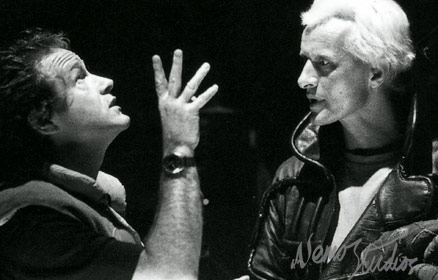
Upon its release in 1982 "Blade Runner" had so much studio interference that its history is the stuff of legend. Receiving mixed reviews the film came and went upon release, but ended up receiving a cult following on home video - which got Scott amped up and screeing his own versions to audiences around the country for the next few years. There have been several versions of "Blade Runner", seven to be more specific, but the ultimate version will always be the "Final Cut" which got rid of the narration, left us with an extra final brilliant shot and fixed many of the plot holes present I'm the original.  It was the only time director Ridley Scott ever had total freedom in the editing room for the film and it would only come 25 years after its release.

Image result for once upon a time in america leone
Once Upon a Time in America (1984)
This might be the most butchered film by an American studio on the list. The original version ran for 229 minutes, an epic to say the least, and featured character development that got completely cut off and disjointed by the 139 minute American version. That's right, more than 1 hour and 30 minutes of footage gone. Some of the highlights of the original got completely cut off: A big chunk of the childhood scenes were not to be found, as was the famous garbage truck scene with Bailey which concludes the film on a more ambiguous, talked about note. Europeans got to see the final cut of Sergio Leone's classic, but Americans didn't. However,  time has been good to the film as most people now tend to seek the 4 hour version instead of the butchered 1984 version which is clearly and justifyingly hard to find.

Image result for brazil gilliam
Brazil (1986)
Terry Gilliam has never hidden the fact that he had problems with the studio while making 1985's "Brazil". His 142 minute cut, which Criterion released in beautiful pristine quality, is well known as a visionary sci-fi classic that paved the way and influenced a generation to come. Much of the problems had to do with the film's ending which Gilliam refused to change. The story goes that the fighting persisted throughout the year until Gilliam decided to screen his cut -in secrecy- for the L.A Film critics, which prompted them to name "Brazil" the Best Picture of 1985 and had audience and critics demanding its release. The studuo finally gave in and release the damn thing. The rest -ands they say- is history.

All The Pretty Horses (2000)
Billy Bob Thornton wanted to followup his directorial debut "Sling Blade" with an adaptation of "All the Pretty Horses", a Cromac McCarthy novel that many said was unfilmable. Thornton's original version ran nearly 4 hours, maybe the only way such a movie could have worked, but Harvey Weinstein quickly forced Thornton to cut it down to its eventual final cut of 116 minutes- Many say as payback for Thornton fighting and getting his version of "Sling Blade" released in 1996 despite Weinstein's disapproval.  That's more than half of "All The Pretty Horses" on the cutting room floor. Its star Matt Damon publicly came out and defended Thornton,  saying it wasn't fair that this much footage should be offed. Eventual efforts to get a director's cut on DVD have been tampered by the film's original music composer Daniel Lanois who refuses to have his score have anything to do with the movie. Yikes.

Heaven's Gate (1980)
The infamous movie that made United Artists declare bankruptcy. Michael Cimino was the hottest director in Hollywood, "The Deer Hunter" cleaned up the Oscars and Cimino was thought to have had carte blanche for his next movie. Then "Heaven's Gate" happened. A monstrous failure who's backstage stories are the stuff of legend and of which we won't be able to get fully into here, maybe another list? One of the stories goes that Cimino changed the locks of the editing room so that studio execs wouldn't interfere. His erratically insane behaviour concluded with a 5 hour and 25 minute cut of the film which Cimino said was a 15 minute cut away from the final version. Even though the film has garnered a cult following in recent years, the 2 hour and 29 minute cut that was finally released in the fall of 1980 garnered terrible reviews.

Hancock (2008)
The studio meddling done with "Hancock" was brutally significant. The first directors cut tackled the title character played by Will Smith as more of an anti-hero with questionable behavior and an overall unpleasant demeanor. The studio obviously didn't respond well to this cut, which quickly sent the film to the cutting room floor and tried to make the character more likeable.  The film went on to eventually make millions at the box office, but was it because of the new cut? Or just Will Smith's star power?  Way after its initial release details have come out about the studio pressure director Peter Berg had to face. All these stories only make us want a director's cut even more.

Fantastic Four (2015)
Much has been made about director Josh Trank's problems with Fox over this film. The story goes that Fox was unsatisfied with Trank's cut of the film and decided to completely take over and re-shoot key scenes- Trank was obviously unhappy and took to Twitter to voice his disapproval saying that "A year ago I had a fantastic version of this. And it would've received great reviews. You'll probably never see it. That's reality though." The film has been one of the worst reviewed Hollywood movies in recent memory, raising doubt over an already announced sequel and cementing it as movie that will forever live in infamy.

Image result for killing them softly dominik

Killing Them Softly (2011)
Director Andrew Dominik is no stranger to making long movies. The Assassination of Jesse James by the Coward Robert Ford reportedly ran for more than three and a half hours before the studio forced him to cut more than 45 minutes of footage for its theatrical release. Regardless, the film was still a triumphant work of art that is still being dissected to today in film schools worldwide. Dominik’s followup to that movie was Killing Them Softly, also starring Brad Pitt as a hit-man looking for a man responsible for robbing an illegal high-stakes poker game in post-Katrina New Orleans. Dominik also ran into trouble with this film, which reportedly clocked in at more than two hours and thirty minutes in length. The final theatrical release was almost an hour shorter, which means something happened in the process that turned the studio against Dominik. What was it? Everyone involved has been very hush-hush about the drama, but the resulting film wasn’t half as good as Jesse James, which might explain why many people are asking for a director’s cut to get released, even though there isn’t any actual proof that it exists.

Image result for magnificent ambersons
Magnificent Ambersons (1942)
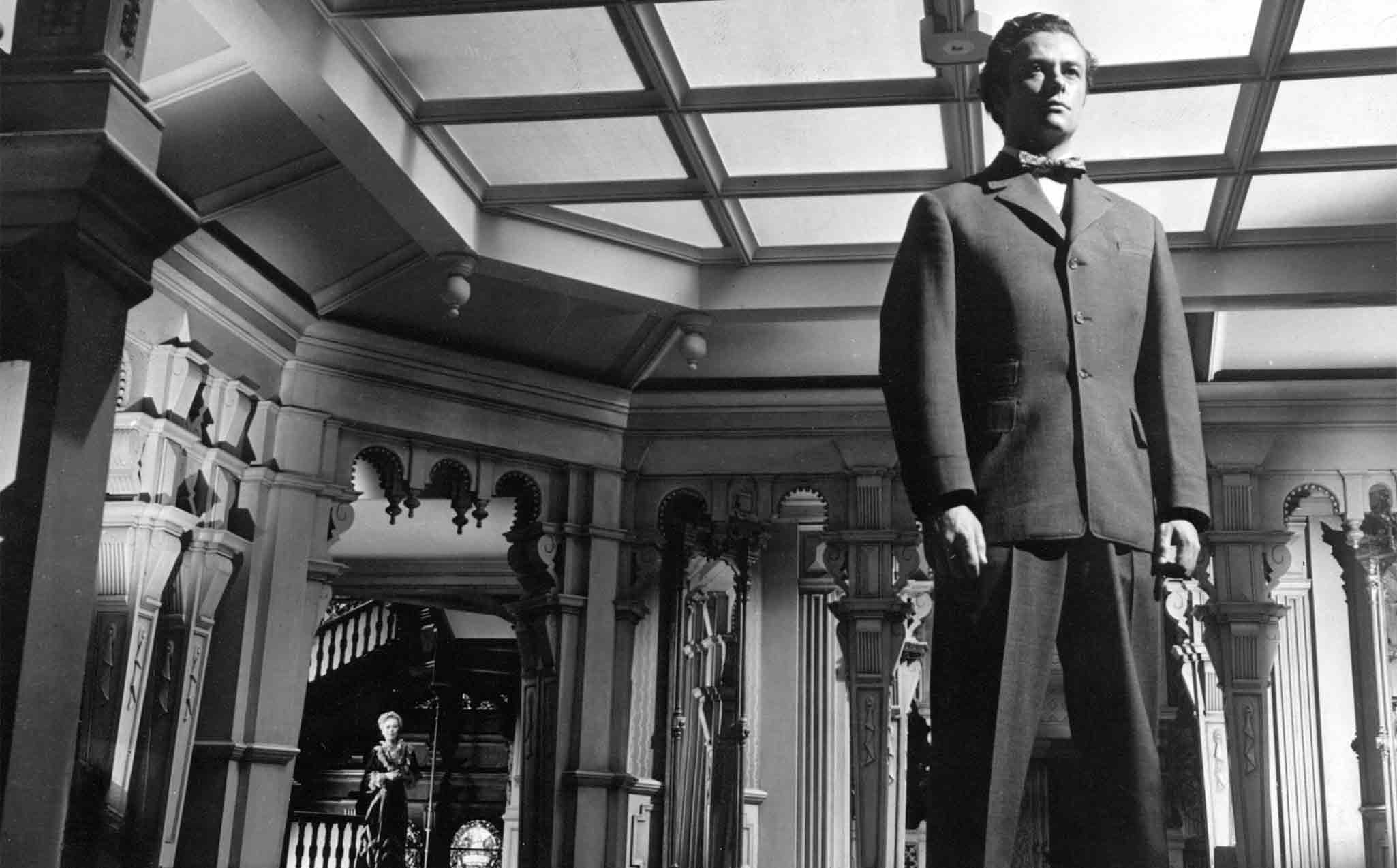
Your name is Orson Welles, you're 27 years old and your first movie was "Citizen Kane". You would think that with your second movie the studio would give you carte blanche and all the freedom that you need to bring your vision onscreen. Not exactly. "The Magnificent Ambersons" is the granddaddy of all studio interfered movies. Cutting almost an hour of footage from the original cut? check. Changing the downer ending for a happier ending? check. A Bernard Herrmann score heavily edited by the studio? check. Welles was highly affected by the disastrous studio meddling of his beloved film, one which he believed could have truly marked his career. "They destroyed 'Ambersons,' and 'it' destroyed me." he later said.

The following was originally written for ScreenRant a year ago, article can be found HERE

MOONLIGHT tops IndieWire poll of more than 300 critics

"Moonlight"

1. Moonlight – 967
2. Manchester by the Sea – 674
3. La La Land – 513
4. Toni Erdmann – 501
5. OJ: Made in America – 388
6. Paterson – 323
7. The Handmaiden – 307
8. Arrival – 289
9. Hell or High Water – 286
10. Jackie – 273
11. Elle – 247
12. Certain Women – 240
13. Cameraperson – 238
14. The Lobster – 229
15. Cemetery of Splendour – 221
16. Silence – 162
17. Everybody Wants Some!! – 153
18. The Fits – 146
19. American Honey – 143
19. The Witch – 143
21. Aquarius – 135
22. Love & Friendship – 130
23. Green Room – 127
23. No Home Movie – 127
25. Sing Street – 124
26. 20th Century Women – 119
27. Things to Come – 118
28. Loving – 117
29. Nocturnal Animals – 111
30. Right Now, Wrong Then – 108
31. I Am Not Your Negro – 106
32. A Bigger Splash – 86
32. Knight of Cups – 86
34. Kubo and the Two Strings – 81
35. Happy Hour – 75
36. Krisha – 68
37. Chevalier – 66
37. Hail, Caesar! – 66
37. Hunt for the Wilderpeople – 66
40. Swiss Army Man – 62
41. I, Daniel Blake – 61
42. 13th – 60
43. Sunset Song – 58
43. Weiner – 58
45. Fire at Sea – 56
46. Embrace of the Serpent – 54
47. Neruda – 53
48. Captain Fantastic – 49
49. The Neon Demon – 48
50. Christine – 46


A link to come shortly ....

Gorgeous BLADE RUNNER 2049 trailer released


Denis Villeneuve is a superfan of the film. That I can guarantee you. How do I know? I spoke to him about the film at a party in Montreal a year or so ago. What else do I know? He isn't going to reveal whether Deckard is a replicant or not, although, if you've seen the director's cut of the 1982 film, Ridley Scott has more or less told us he's a replicant. Then why has he aged here? There must be a reason. Do androids age?

A few amazing things Buster Keaton did in movies

Image result for buster keaton gif

GaDmLMJ

Some of Buster's best...

DMTxyk2

XRSzIh7

n4AFVbw


Despite his dangerous stunts, Buster was rarely hurt or injured. Buster was the master of taking a fall.

Image result for buster keaton gif


It's no surprise that I find it very hard to choose between Chaplin and Keaton. "The General" is an astounding technical achievement, even more so now 90 years after its release. "The Navigator" is also a delightful Keaton feature from 1924 that has aged magnificently well. In fact, one of the reasons why Keaton might just surpass Chaplin in my books is that his movies have aged incredibly. The set pieces are brilliantly conceived and much too risky to achieve in this lazy day and age of CGI. Which is not say that Chaplin's films have rusted, there is still a stinging satirical punch to his films such as "Modern Times" and "City Lights," plus he himself was no slouch in terms of stunts. Keaton wins, but don't discount Chaplin's talent.

WTF: British Actor Michael Sheen quits acting to "fight rise of fascism"

Image result for michael sheen
“In the same way as the Nazis had to be stopped in Germany in the Thirties, this thing that is on the rise has to be stopped. 
“It’s not going to look like this in 10 years’ time. Everything has shifted. The dice are being rolled again.”
“The greatest service you can do is to serve the whole, is to serve the story that you’re a part of,” he added. “The story is bigger than any one individual within it.” 

11 Legendary cinematographers who have never won an Oscar

Note: This was originally written by yours truly for IndieWire

The inclusion of Raoul Coutard has not been removed despite his recent death. It's a travesty that he never won an Oscar, but, then again, what exactly is the point of winning an Oscar ? Every cinephile knows that Roger Deakins, a legendary cinematographer, who finally won in 2017, was nominated 13 times before finally winning.

Sadly, Deakins was not the only legendary cinematographer to have not won an Oscar — some haven’t even gotten nominated in their lifetime — which is why we narrowed these surprising snubs down to a list of 11 cinematographers who are still alive, but have never won. The late great Gordon Willis, who sadly passed away recently, never got his due and was instead awarded an honorary Oscar not too long before his passing away. Douglas Slocombe, who passed away just yesterday, was also nominated for three Oscars, though he never picked up a little gold man of his own.


Roger Deakins

This legendary cinematic figure will eventually win an Oscar, right? After 13 (!!) nominations, Deakins is still winless. Chances seem high that he’ll lose out this year  to Emanuel Lubezki, who basically gave us one of the greatest photographed movies of the 21st century with "The Revenant." However, Deakins’ work, although less showy than Chivo’s, is far more difficult to achieve in its subtle, more nuanced manipulations of color. He’s a total pro, warranting inclusion on every "Greatest Cinematographers of All-Time" list he shows up on (and will show up on in the future). 

Known For: "Barton Fink," ""Fargo," "The Big Lebowski," "O Brother Where Art Thou," "The Man Who Wasn’t There," "No Country For Old Men," "A Serious Man," "True Grit," "Skyfall," "Sicario," "The Shawshank Redemption," "Kundun." 

Nominations: 13

EDIT: Finally won in 2017 for “Blade Runner 2049”


Michael Ballhaus

Michael Ballhaus’ work on Rainer Werner Fassbinder’s "Along" is enough to get him on this list —  really, any of the 16 films they worked on should guarantee him a spot here — however, the main reason why Ballhaus has become such a legend is the work he created with Martin Scorsese during the second half of his career. He became well known for his 360ᵒ tracking shots and used it to its greatest effect in 1990 with Scorsese’s classic "Goodfellas." How he did not win for that film is still dumbfounding, especially considering that Dean Semler’s sub-par work in "Dances With Wolves" was rewarded instead. Although still technically "active," Ballhaus recently announced that he was suffering from glaucoma and was slowly losing his eyesight. For someone who is so visual, it’s heartbreaking news and it unfortunately seems to be the end of a legendary career. 

Known For: "After Hours," "Broadcast News," "The Last Temptation of Christ," "The Fabulous Baker Boys," "Goodfellas," "The Age of Innocence," "Quiz Show," "The Departed."

Oscar Nominations: 3


Rodrigo Prieto

Rodrigo Prieto is a modern-day photographer who deserves more recognition than he’s been given. He was Alejandro González Iñárritu’s go-to guy until he went the Chivo route. He also illuminated Martin Scorsese’s glossy "The Wolf of Wall Street" with all the gritty, sleazy glamour needed. Hailing from Mexico, he is just as responsible for the Mexican new-wave as any of the filmmakers involved. Don’t be fooled by his aesthetically pleasing lenses; there are a ton of subtleties lying underneath the style. Directors such as Spike Lee, Ang Lee, Pedro Almodóvar, Oliver Stone and Martin Scorsese have all called him up for their films. In fact, Scorsese’s latest "Silence" was shot by Prieto in Japan and might just be his shot at a second nomination.

Known For: "Amores Perros," "8 Mile," "The 25th Hour," "21 Grams," "Brokeback Mountain," "The Wolf of Wall Street," "Argo."

Oscar Nominations: 1


Christopher Doyle

Christopher Doyle’s career has been very interesting, to say the least. Sure, he’s won awards at Venice and Cannes, but this Australian-born cinematography wizard had a hell of a life even before that; he was herding cows in Israel, was an oil driller in India and even became a doctor in Chinese Medicine in Thailand. In the late ‘70s, he learned Mandarin and a few years later got a gig as cinematographer for the late great filmmaker Edward Yang’s "That Day on the Beach." His love for high saturation and splashes of color fills every frame he works on. He’s known as the go-to photographer for directing master Wong Kar-Wai’s greatest films, including "In the Mood for Love," quite possibly the greatest photographed film of the aughts. Their partnership has sadly come to a standstill with ill-tempered Doyle claiming their critically acclaimed film "2046" was "unnecessary in retrospect." Ouch.

Known For:"2046," "In the Mood for Love," "Hero," "Chungking Express," "Paranoid Park," "The Limits of Control," "Happy Together."

Oscar Nominations: 0


Michael Chapman

This is the guy who photographed "Raging Bull," enough said. You’re probably asking yourself, "How the hell did he not win that year?" Well, Geoffrey Unsworth won instead for "Tess." No disrespect to Mr. Unsworth and his fantastic photography for his Roman Polanski epic, but Chapman’s work in "Raging Bull" is legendary. His use of black-and-white might be the definitive post-color statement of the medium, and the way he shot those boxing matches was, pardon my pun, a knockout. Even if he hadn’t done "Raging Bull" it would still be an impressive career. Chapman has had a huge influence on modern-day filmmaking, and his work in the ’70s alone would be reason enough to award him the golden statuette. Now 80 years old, he hasn’t photographed a film in a decade.

Known For: "The Last Detail," "Taxi Driver," "The Last Waltz," "Raging Bull," "The Fugitive."

Oscar Nominations: 2 


Raoul Coutard

The visual innovator of the French "Nouvelle Vague," Coutard has shot 75 films in his illustrious career. Now 91 years old, he will always be remembered as Jean-Luc Godard’s go-to guy, photographing practically all of JLG’s Nouvelle Vague work from 1959-1967. This meant lots of black-and-white films, and only a handful in color. During this era, he always insisted on using natural lighting for his work. Coutard’s inventive use of the hand-held camera was incredibly important in the advancement of filmmaking. In fact, his visionary work with the hand-held is just as innovative as Orson Welles’ extended use of deep focus in "Citizen Kane." One can’t also forget his post-Nouvelle Vague work with Costa-Gravas and his incendiary work with his masterpiece, "Z."

Known For: "Breathless," "Jules et Jim," "Contempt," "Bande à part," "Alphaville," "Z."

Oscar Nominations: 0


Related image

Robby Muller

If you’re associated with Lars von Trier’s movies, chances are you just won’t be the Academy’s cup of tea. This of course cannot erase the greatness of your work; in fact, in many instances, it enhances it and makes the films age like fine wine. Robby Muller’s work with von Trier is — of course — astonishing. So is his work in Jim Jarmusch’s best shot movie "Dead Man," which uses beautiful Western-infused black-and-white photography. It is, however, his work with Wim Wenders for which he will be forever known, including "The American Friend" and "Paris, Texas," the latter of which unforgettably went through the heart of the American landscape. Both films are polaroid snapshots of America, with the most beautiful use of green, a Muller staple that has reappeared in much of his work.

Known For: "The American Friend," "Paris, Texas," "Repo Man," "Breaking the Waves," "Dead Man," "Dancer in the Dark."

Oscar Nominations: 0


Image result for khondji great shot

Darius Kohndji

This Tehran-born camera genius has worked with some of the greatest directors in the world. He was discovered when shooting a famous Nike ad with David Fincher, which landed him a job as cinematographer of "Seven," a film that some say shaped the way drama would be shot in the 21st century. Khondji used simple camera approaches for the film and was highly influenced by — of all things — the TV show "COPS," which inspired him to use tricks like a camera peering over a shoulder from the backseat. As seen in "Seven," Khondji is known for using composition to create a sense of tension and dread. One can also not forget his colorfully whimsical genius in Jean-Pierre Jeunet’s movies and Woody Allen’s European love letters, especially in "Midnight in Paris," where his use of warm colors and limited camera movements gave the film its infectious glow. 

Known For: "Delicatessen," "The City of Lost Children," "Seven," "The Beach," "Midnight in Paris," "Amour."

Oscar Nominations: 1


Image result for cronenweth great shot

Jeff Cronenweth

Although "Seven" is very much a "David Fincher" movie, his very recognizable visual palette really started when he hired Jeff Cronenweth as his cinematographer for "Fight Club." If the name sounds familiar, it’s because Jeff is the son of Jordan Cronenweth, one of the most famous of modern cinematographers, especially known for his work on "Blade Runner." Jeff Cronenweth has a unique, very identifiable style with dimly-lit, close-up, longshots which tend to show a very shallow depth of field. To take away Cronenweth from a Fincher film would be akin to Stanley Kubrick not having John Alcott for "A Clockwork Orange," "Barry Lyndon" or "The Shining": Unfathomable. Cronenweth’s work has resulted in two Oscar nominations, but no wins. As for his non-Fincher work, check out "One Hour Photo," in which Cronenweth worked with director Mark Romanek to create a visual masterpiece.

Known For:

"Fight Club," "One Hour Photo," "The Social Network," "The Girl With The Dragon Tattoo," "Gone Girl,"

Oscar Nominations: 2


Edward Lachman

A German Expressionism expert, Lachman is a master at what he does. He also has the distinction of being the last cinematographer Steven Soderbergh used in his film career, which seemed to have a profound influence on the filmmaker’s later films in which he handled photography himself. In those films, Soderbergh used Lachman’s clear and precise hand-held camera techniques from "The Limey" and "Erin Brockovich" to fashion up a style that would distinguish the latter part of his career. Lachman’s greatest achievement would come a couple of years later when he started a legendary partnership with filmmaker Todd Haynes. Their Douglas Sirk-influenced melodrama, "Far From Heaven," was an astonishing work of art, where Lachman’s German Expressionism background was on display with his use of light to depict the inner emotions of the characters; he made their emotions burst out on the screen using expressive color. 

Known For: "The Virgin Suicides," "Erin Brockovich," "The Limey," "Far From Heaven," "I’m Not There," "Carol."

Oscar Nominations: 2


Image result for fujimoto great shot cinema

Tak Fujimoto

Tak Fujimoto was one of two cinematographers who shot Terrence Malick’s landmark 1973 film "Badlands." You’d think that would be his big break, but being the camera operator for “Star Wars: A New Hope"  in 1977 was really what opened doors for him. He is also Jonathan Demme’s in-house cinematographer, with their relationship starting way back in 1974 with "Caged Heat." Fujimoto has no Oscar nominations, not even getting recognized for his astounding work in Demme’s 1991 masterpiece, "The Silence of the Lambs." He is known for his striking old-fashioned visuals using on-set lighting and not relying on post-production effects. Quite a distinctive approach, especially in 2016. 

Known For: "Badlands," "The Sixth Sense," "The Silence of the Lambs," "Philadelphia."

Oscar Nominations: 0