
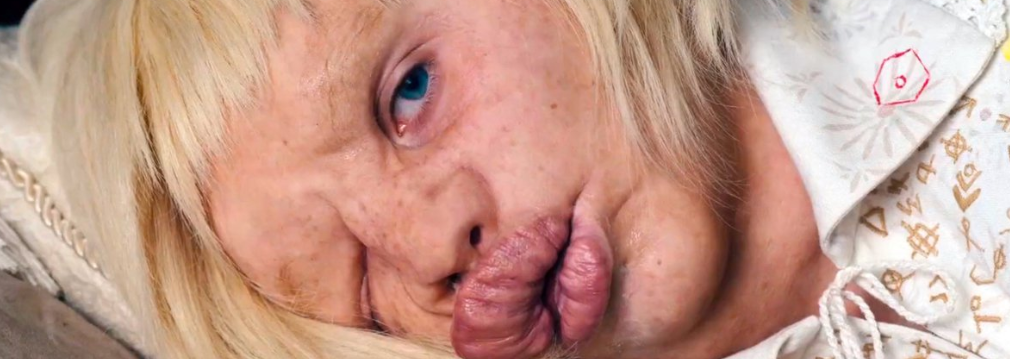
I am very curious how Cristian Mungiu’s “Fjord” will be greeted this fall — the Palme d’Or-winning film has turned into a culture-war ticking time bomb among critics, who are more split on it than you might think.
First off, a trailer for “Fjord” has been released by Neon, which will be giving the film, set to screen at Telluride and TIFF, a major awards-season push, and October release.
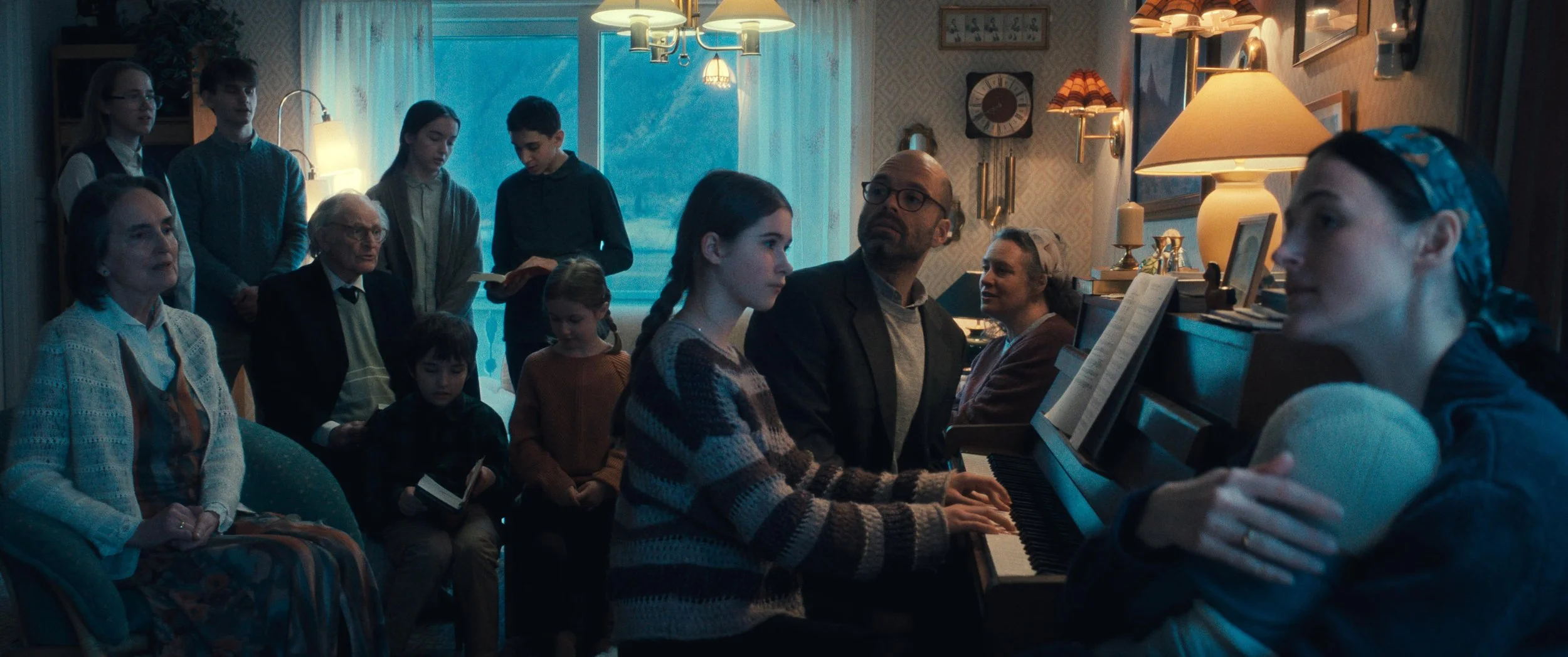
The culture-war controversy around “Fjord” comes from its central premise: a deeply Christian Romanian-Norwegian family — Sebastian Stan and Renate Reinsve play the parents — moves to Norway and runs afoul of the country’s progressive child-protection system after authorities suspect the parents of abusing their children.
The conflict quickly becomes about more than just the specific allegations — it pits traditional Christian values, parental authority, and religious freedom against progressive liberalism, state intervention, and contemporary ideas about child welfare.
The film’s central crisis kicks in when Norwegian child-welfare authorities discover bruises on the Gheorghius’ eldest daughter and remove all five children from the home pending an investigation. What starts as a domestic dispute spirals into a massive legal and cultural battle. The parents are told that, under Norwegian law, suspicion alone can justify separating children from their family. Authorities insist they’re acting in the children’s best interest.
Based on real events, the story gradually turns into a “culture war,” a national spectacle, with religious communities rallying behind the Gheorghius family while Norwegian officials argue that the parents’ style of discipline poses a threat to the children’s safety.
This has led some to see the film as a critique of progressive overreach, a sort of anti-“political correctness” statement from Mungiu. Mungiu has openly described “Fjord” as being about “left-wing fundamentalism,” which has not helped the situation.
What Mungiu is really digging at here is the discomfort liberal societies feel toward people who don’t fit the accepted cultural mold. How tolerant can a society actually be when confronted with beliefs it fundamentally rejects? This is a film about how extremism feeds extremism. Everybody believes they’re morally right. Everybody becomes trapped inside ideology, fear, and self-righteousness. Nobody is capable of stepping outside themselves long enough to actually listen. The film essentially asks whether a supposedly tolerant society can become intolerant toward people whose beliefs it considers unacceptable.
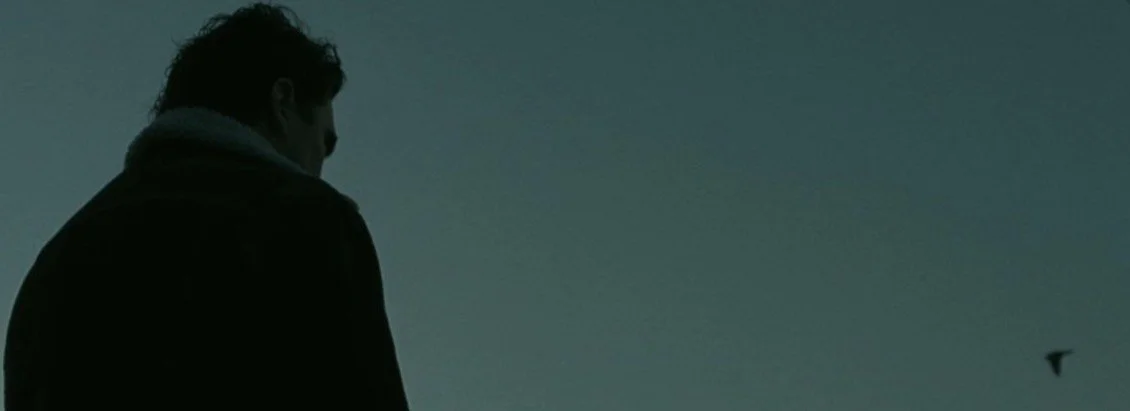
Despite the presence of Stan and Reinsve — and this being Mungiu’s first film largely spoken in Norwegian and English — it doesn’t feel like some major stylistic reinvention for the filmmaker. This is still unmistakably Mungiu: the same slow-burn pacing, the same long takes, the same handheld realism, the same emotionally suffocating atmosphere. His longtime aesthetic remains fully intact, helped immensely by cinematographer Tudor Vladimir Panduru’s icy widescreen photography, drenched in those familiar cold blue-gray hues.
That said, almost 20 years later, and with a handful of strong films under his belt, including this one, Mungiu still hasn’t topped “4 Months, 3 Weeks, 2 Days.” Maybe he never will. Still, “Fjord” marks his sixth feature and further solidifies him as one of the essential voices in European cinema.

I briefly mentioned Ben Affleck's "Animals" yesterday, but I need to get more into it, because this thing, now streaming on Netflix, is one of the most baffling efforts I've seen from a serious director in a long time.