


A few years ago, N+1 Magazine published a report detailing how Netflix executives were demanding that screenwriters and directors “announce what they’re doing” so viewers who have a movie playing in the background can follow along without missing key plot points.
Netflix’s demands went even further, insisting there be enough “action” or “drama” within a movie’s first five minutes to keep viewers from turning it off.
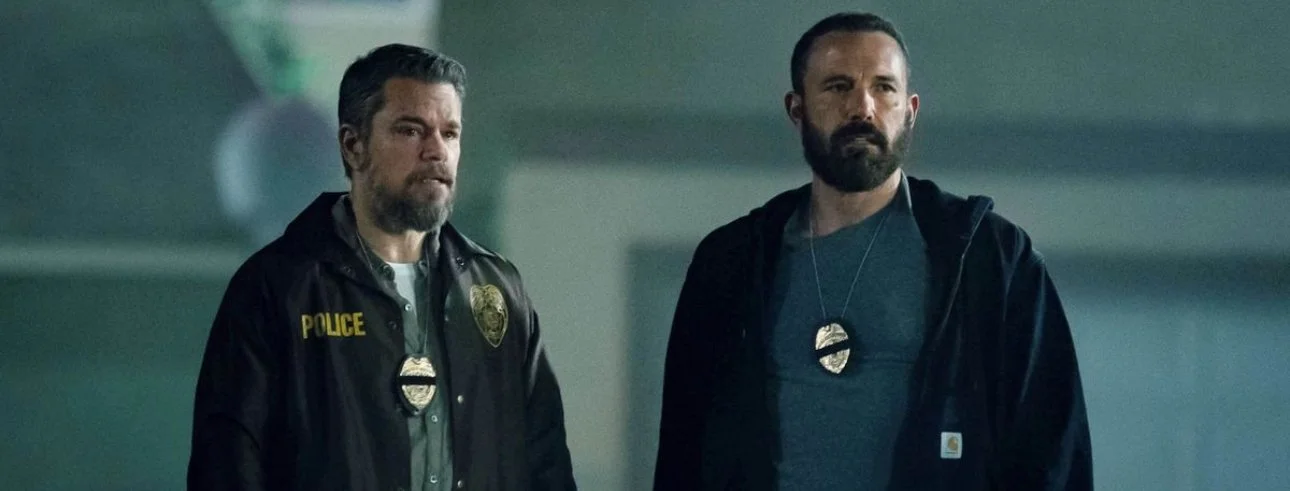
That report has stayed with me for the past three years. Now, whenever I watch a Netflix original, I actively look for this blueprint to appear on screen. Last night, while watching “The RIP,” I noticed these exact traits in Joe Carnahan’s film.
As it turns out, “The RIP” star Matt Damon isn’t hiding it either. While guesting on The Joe Rogan Experience podcast, Damon essentially confirmed—almost word for word—what the N+1 report described.
According to Damon, a Netflix movie has to “reiterate the plot three or four times in the dialogue because people are on their phones.”He also confirmed Netflix’s insistence that every movie open with an action sequence:
A standard way to make an action movie, you usually have three set pieces and they kinda ramp up to the big one with all the explosions…. Now, they’re like, ‘Can we get a big one in the first five minutes? We want people to stay tuned in.’
While Damon believes shows like “Adolescence” are “the exception,” Ben Affleck — who co-guested on the episode — said he felt that show “demonstrates you don’t have to do” the Netflix tricks to grab an audience.
Several screenwriters who have worked for the streamer have told the outlet that a common executive note is to have characters deliberately lay out exposition for the wandering viewer. After all, devoting full attention to a 90-minute movie isn’t always an option for the archetypal Netflix audience member.
Here’s an example from Netflix’s #1 hit movie “Irish Wish,” starring Lindsay Lohan, which has this dialogue near the end.
“We spent a day together,” Lohan tells her lover, James, in “Irish Wish.” “I admit it was a beautiful day filled with dramatic vistas and romantic rain, but that doesn’t give you the right to question my life choices. Tomorrow I’m marrying Paul Kennedy.”
“Fine,” he responds. “That will be the last you see of me, because after this job is over I’m off to Bolivia to photograph an endangered tree lizard.”
Netflix also reportedly categorizes projects using thousands of micro-genres, including “casual viewing,” a label reserved for movies and TV shows designed to be consumed while not paying full attention.
Almost every screenwriter lives by the rule of “show, don’t tell,” but Netflix appears to have discarded that principle, instead forcing writers to do the opposite—and then some. It’s almost miraculous that this is the same streamer that, just last decade, chose to make “Roma” and “The Irishman.”

So there's a script. That's something. It looks as though “The Movie Critic” really is dead and buried, and that this is a brand-new project, and title, but the premise is unknown.