
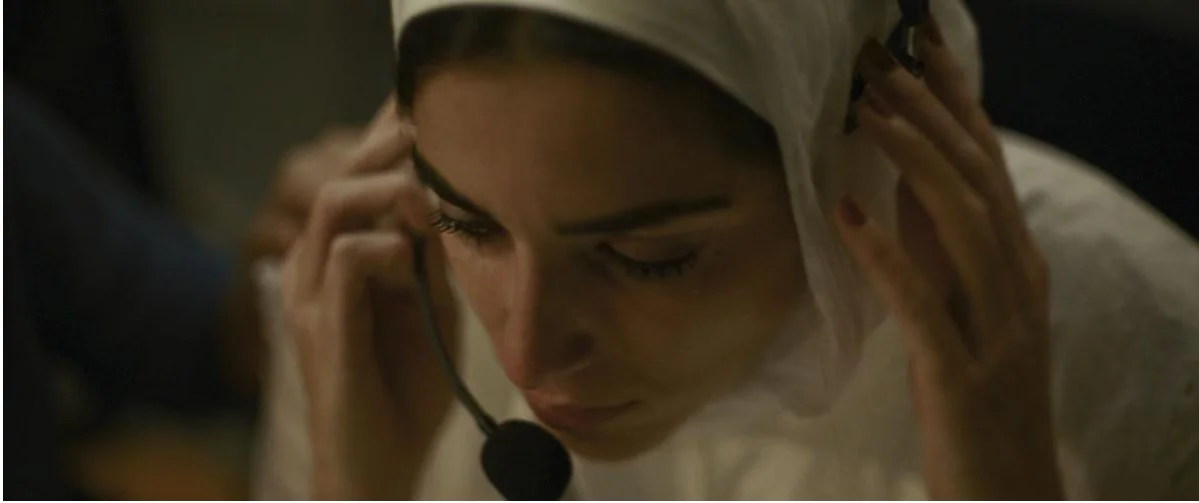
UPDATE: Here’s Brazilian journalist Lucas Salgado reporting of possible infighting within the Venice jury, potentially linked to Kaouther Ben Hania’s Gaza-set film, “The Voice of Hind Rajab.”
Rumors from Venice suggest a split within the jury, reportedly marked by heated arguments. [jury member] Fernanda Torres posted a video today announcing her return, which implies she won’t be present for the awards ceremony. The divide is said to be 2 against 5, raising the possibility that one of the two dissenters is jury president Alexander Payne. We’ll know for sure tomorrow, but some speculate that the minority may be resisting an award for Kaouther Ben Hania’s film about Gaza.
EARLIER: Ildikó Enyedi’s “Story of My Wife” was panned at Cannes in 2021, but she’s still a notable name in the euro film circuit, having helmed critically acclaimed films “My 20th Century” and “On Body and Soul.”
Enyedi‘s latest, “Silent Friend,” screened at Venice and reviews so far have been very strong. IndieWire (B), Next Best Picture (9/10), Variety (rave), TheWrap (rave).
The film, starring Tony Leung and Lea Seydoux, “tells three stories connected to a tree over a period of more than 100 years” and centers on “radical shifts in human perception of plants, animals and humans.”
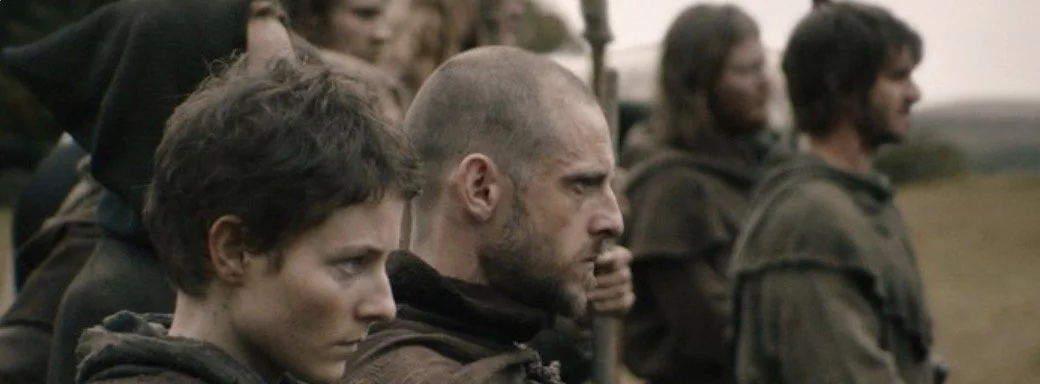
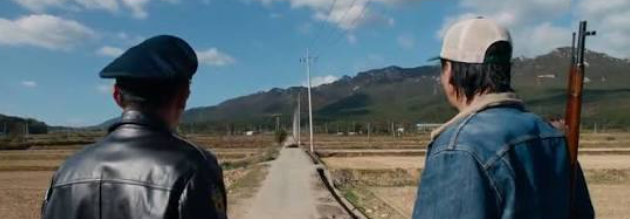
So that wraps it up for another edition of Lido screenings. All 21 competition films have now screened at Venice — what’s winning the Golden Lion? Your best bet would be Kaouther Ben Hania’s “The Voice of Hind Rajab,” a Gaza-set hybrid tackling the murder of a Palestinian girl. Sone critics on the ground seem to be leaning towards Park Chan-wook’s “No Other Choice,” which has an 88 on Metacritic.
Other contenders include Mona Fastvold’s “The Testament of Ann Lee,” a visionary but divisive quasi-musical about religion, and Kathryn Bigelow’s “A House of Dynamite,” which US/UK critics have been heavily praising.
About Ben Hania, whose film holds an 84 on Metacritic, prominent Italian journalist Luigi Locatelli argues that it was “unfair” to screen it in competition, since its subject matter alone virtually guaranteed Golden Lion contention before anyone had even seen it.
The mistake was putting it in competition, which created blatantly unfair conditions for the other films. It should have been shown separately, as a special event. Instead, the jury now finds itself under pressure (not blackmail, but close): if they don’t give it the Lion, they risk being accused of moral insensitivity, of turning a blind eye to the tragedy in Gaza, of collusion with the enemy, of Nazi-Zionism, and who knows what else. Naturally, this has become the most debated issue here at the Lido. As for me, I object — I believe the film isn’t worthy of an award. But I’m told its message is so important that every other consideration must take a back seat, or even vanish entirely. Sorry, I don’t agree.
My take is that, first and foremost, the filmmaking should be taken into consideration by the jury. Is the film not just a piece of activism, but a work of art as well? Does it transcend its subject matter and and achieve something lasting in terms of craft, form, and vision? Because if it doesn’t, then we’re no longer judging cinema — we’re judging politics wrapped in moving images. Much like the “Fahrenheit 9/11” Palme d’Or, the award becomes a statement, not a recognition of cinematic achievement.
We’ll find out tomorrow.

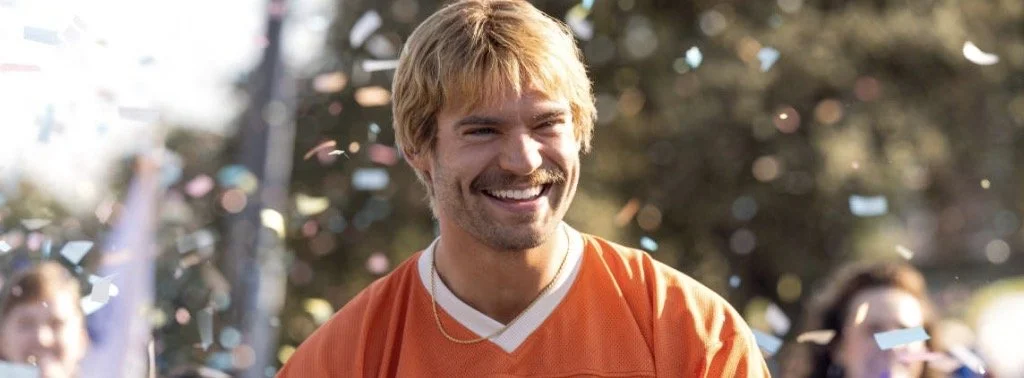
As expected, Snyder's latest is being torn apart by TIFF attendees. No mercy given. The film, which had its world premiere this evening, is being called by some one of the worst movies to ever premiere at the festival.