


Here’s the second competition film to screen at the 82nd Venice Film Festival.
It’s been six years since László Nemes’ “Sunset,” the film that tried to follow “Son of Saul” and never really stood a chance. ‘Saul’ was too strong a debut — a shock to the system, one of those films that makes you think, “Well, where can he possibly go from here?” “Sunset” answered that. It wasn’t a disaster, it was just less important. You could tell Nemes was still searching for the form that electrified him the first time.
Now he’s back with” Orphan,” and the surprise is that he’s made something both more intimate and more exasperating.
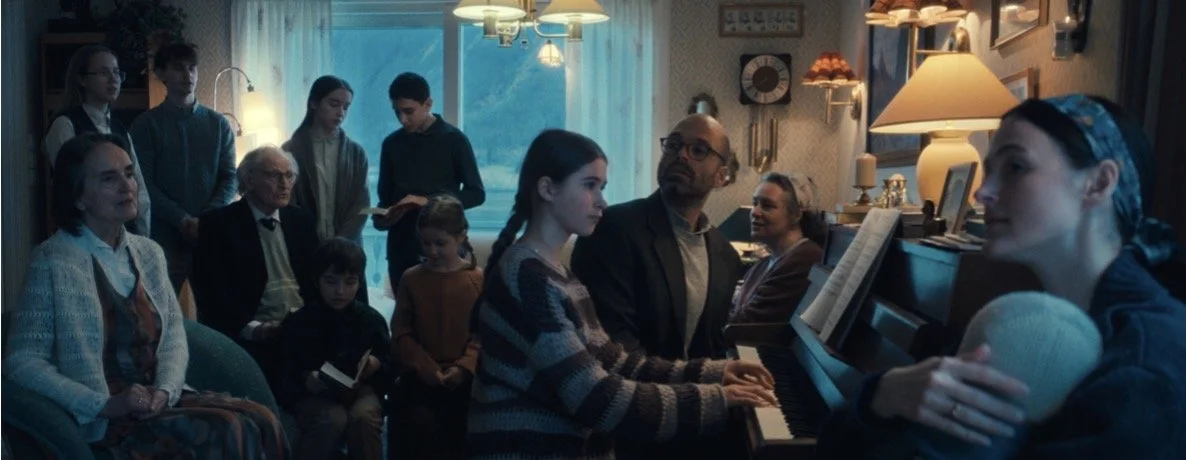
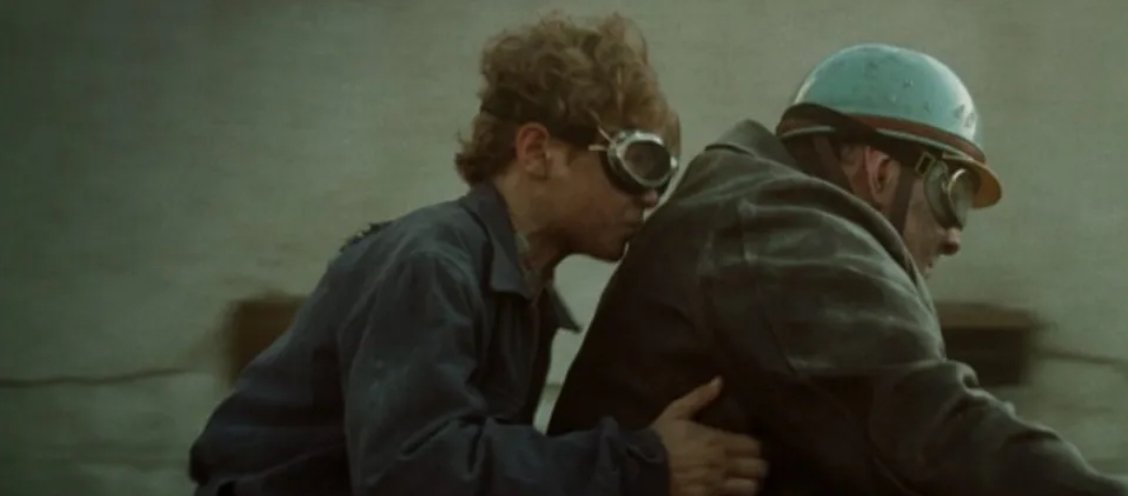
Set in 1957 Budapest, the film follows a boy whose father never came home from the war, and a mother who keeps promising that one day he will. It’s a lie, of course — a desperate one. The boy wanders the streets, half-wild, half-lost, very much in “400 Blows” fashion where you think the movie might just keep circling him forever. The strings on the soundtrack even echo Jean Constantin’s Truffaut’s film.
The first half drifts. The boy steals from shops, kicks around with friends, lashes out — Nemes, with his usual command of the camera, makes every frame beautiful, but you start to wonder if that beauty is all the film has. Then a new figure arrives: a grotesque, sweaty heavy-set butcher who begins courting the boy’s mother and insists he might even be the missing father. Suddenly the movie has something it was lacking: menace.
Nemes finally presses his characters against the wall, and the film starts to somewhat kick in. Nemes is good with ambiguity. When the climax comes, it lands, but you can’t quite forget how much you had to sit through to get there.
“Orphan” proves Nemes hasn’t lost his nerve as a director, but he may still be lost in the stories he actually wants to tell. The genius of “Son of Saul” was that the style and subject matched with horrifying precision; every second mattered. Here, too much of it doesn’t.

The short version: "Woman Unknown" was a compromise. The jury deadlocked over "Possible Love" and "NAZA," not able to com to terms, fell back on their #3, May el-Toukhy's film.