
Terrence Stamp has died at 87.
Stamp was one of those rare actors who seemed to arrive fully formed and then, decades later, detonated into something even greater.
His debut in “Billy Budd” (1962) was nothing short of spectacular—an Oscar-nominated turn as Melville’s innocent sailor, his beauty and vulnerability captured in stark black-and-white. He was instantly an icon.
And yet, his career wandered. He became a symbol of Swinging London, a lover to Julie Christie, a muse to Pasolini, a pop villain as Zod in “Superman” (“Knee before Zod!”) He drifted through exile and spiritual detours, sometimes more myth than actor.
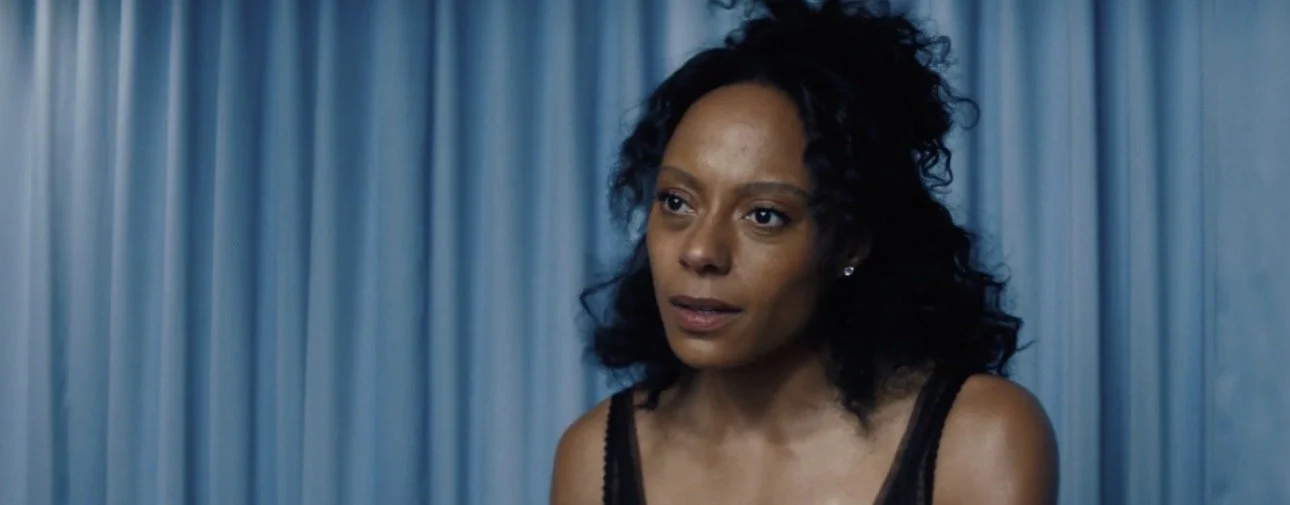
Then came “The Limey” in 1999. Steven Soderbergh handed him Wilson, an aging Cockney ex-con seeking revenge in Los Angeles, and Stamp answered with a volcanic performance that felt like a landmark.
In “The Limey,” Stamp weaponized his own history into something volcanic. Every glare, every uttered line carried the weight of time itself. What began as a revenge thriller became, through him, an elegy. It was this performance, in fact, that finally led me to catch up with “Billy Budd.” If ever there were a double bill for repertory cinemas to program this weekend, it would be these two films.
If “Billy Budd” announced him and “The Limey” redeemed him, then there was everything in between—Zod, Fellini, “The Hit” (!!!), “Teorema,” and ‘Priscilla’. Few actors ever got two performances so definitive, bookends to a career that spanned so many ups and downs.
Terrence Stamp is gone, but those two roles remain, impossible to shake: the boy who embodied purity and the man who embodied fury. Kneel before Terrence!

Netflix and Skydance Animation have also called it quits. The two sides announced Monday that they're ending the animated film deal struck back in 2023, framing it as a mutual decision.