



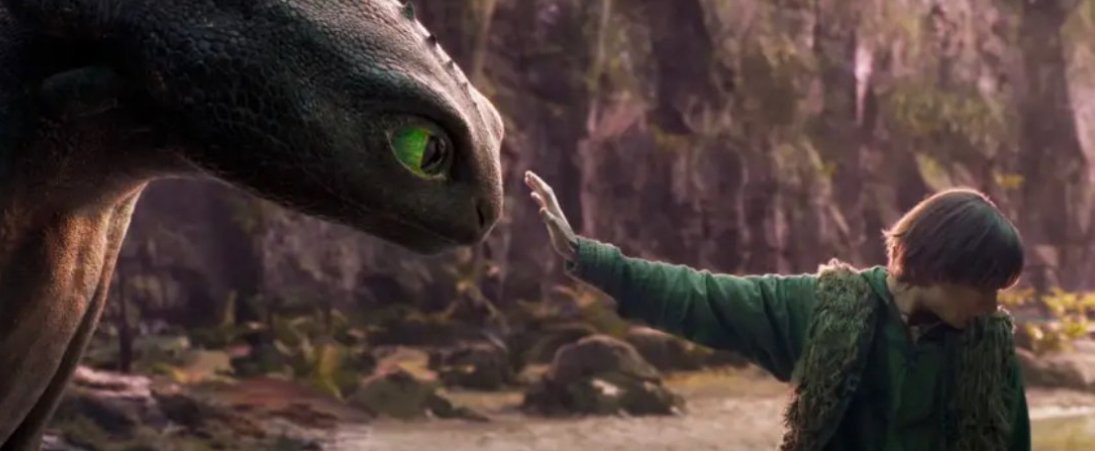
DreamWorks’ “How to Train Your Dragon” is heading to digital platforms on July 15 — a mere month after its theatrical release. The film just crossed the $500M global mark this weekend and is currently sitting at #3 at the domestic box office, but in just over a week, it’ll be available to stream in your living room.
So much for the industry’s “new consensus” on reinstating the 45-day theatrical window.
Just a few months ago, major studios — three, to be exact — agreed, in principle, to bring back a sense of stability to theatrical exhibition: keep movies in theaters for at least 45 days before pushing them to VOD. A handful of others were reportedly in talks to do the same. That handshake deal now looks like window dressing — another PR move meant to appease frustrated exhibitors while studios continue chasing the real prize: 100% of digital profits.
Back in January, Quentin Tarantino minced no words on the matter.
“What the f— is a movie now?” he asked. “Something that plays in theaters for a token release for four f—in’ weeks, and by the second week you can watch it on television? I didn’t get into all this for diminishing returns.”
Tarantino’s tirade wasn’t just a director venting — it was a cry for help from a theatrical model that’s been in freefall since 2020. COVID shuttered cinemas for months and forced studios into a digital-first mindset. The floodgates opened. Theatrical exclusivity collapsed. And with it, the moviegoing experience took a serious hit.
It hasn’t slowed down. Earlier this year, Steven Soderbergh’s “Black Bag” went to VOD just 17 days after its release. Universal’s “Wicked” hit digital 30 days after its theatrical debut — even though it was still pulling in strong numbers at the box office. Unlike theatrical, where studios split profits 50/50 with exhibitors, VOD means they keep nearly all the money.
“How to Train Your Dragon” is still performing well in theaters, with solid legs and strong family turnout, but it will now be going digital just 31 days after initial release. For now, the promise of a 45-day window remains just that: a promise. One that studios seem all too willing to break.

We now have seven new images from Brad Bird’s “Ray Gunn.” The film still doesn’t have a trailer, let alone a teaser, so we’ll take what we can get.