




It’s July 4, the box office is finally showing some life thanks to “Jurassic World: Rebirth,” which is flirting with a $150M holiday opening. However, not all is peachy, Hollywood is quietly losing its patience with AMC Theatres, and this time, it’s not about ticket prices or screen counts. It’s about the damn pre-show.
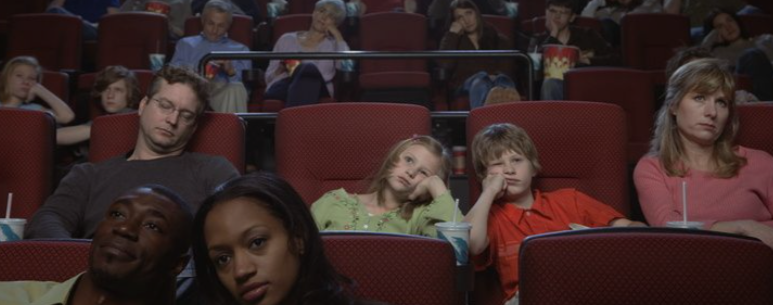
AMC has been quietly expanding its pre-movie “experience,” which now includes up to 30 minutes of ad content and trailers before a single frame of the actual film plays. The chain even slapped a disclaimer to allow for “25–30 minutes” of ads and trailers.
A friend went to see “F1” at the Grove last night and told me he clocked it at 34 minutes of ads and previews … others are saying that ‘Rebirth’ screenings exceeded the 30 minutes advertised by AMC.
Studios aren’t amused. For them, trailers are still one of the last surefire ways to get people to care about an upcoming release. And now they’re watching audiences time their arrivals to miss them entirely.
According to internal studio data shared with Deadline, only 20% of viewers were seated at the listed showtime during a recent screening of 28 Years Later in Chicago. It took another 12 minutes to get most of the crowd inside, and the place didn’t fill up until just before the movie started.
This kind of behavior makes a mockery of the trailer strategy — especially when studios are shelling out six figures for those spots. Per PostTrak, trailers still work: 22% of “Mission: Impossible – Final Reckoning” ticket buyers said they bought a ticket because of the in-theater trailer. Same story with “F1” (18%) and “Lilo & Stitch” (14%).
“What if a trailer plays in a movie theater and no one sees it? What good does it do?” Sony Pictures boss Tom Rothman told Deadline. “It’s incredibly self-defeating and shortsighted.” He’s not wrong.
Meanwhile, AMC CEO Adam Aron blamed the usual suspects: COVID, the strikes, the collapse of the mid-budget movie. He told Deadline the extra ad time helps keep the lights on, and that Regal and Cinemark have been doing the same thing for years.
However, here’s the thing: if the theatrical experience starts to feel too stretched out, people will eventually stop showing up. Studios are already pouring money into trailer placements. If no one’s watching them, what’s the point? The more AMC tries to milk short-term ad dollars, the more they risk alienating the very system they depend on to survive.

I wouldn't call this film great — it stops short of that because of how neatly it resolves itself — but I'll give Rock his due here: this is much better than his previous directorial effort, "Top Five."