
Many caught the teaser for Christopher Nolan’s “The Odyssey.” It’s playing exclusively in front of Jurassic World: Rebirth, but, as is tradition now, low-quality rips are already floating around online.
Still no official online release from Universal, which feels almost like a deliberate move—control the conversation by letting the buzz build organically. Classic Nolan.
What the teaser shows is minimal, moody imagery, lots of shadows, a sweeping but ominous score, and that slow, dread-soaked pacing Nolan loves. It’s basically all tone, no plot. However, something about it has stirred much debate online.
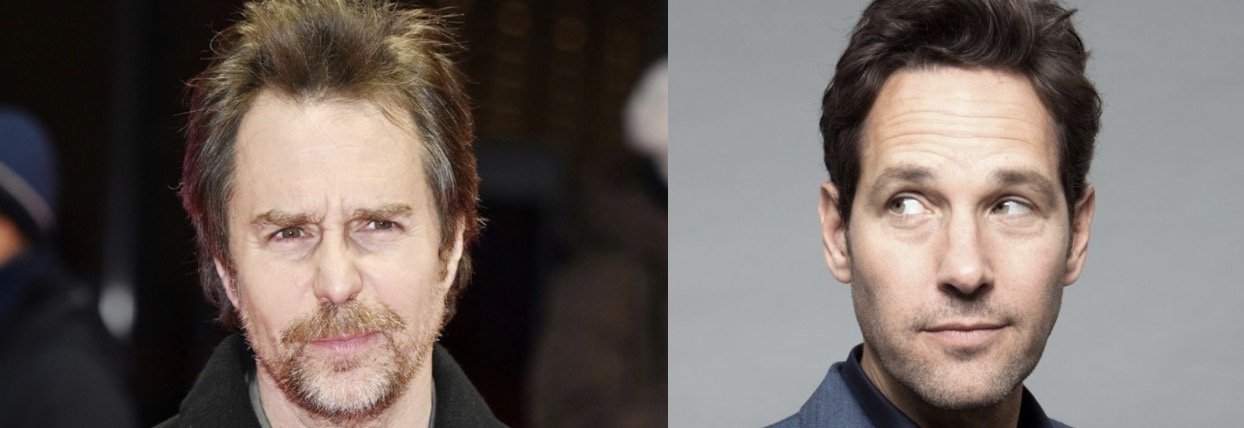
Jon Bernthal is in full gravel-throated American mode, like he’s prepping for a a bar fight in Baltimore. Then there’s Tom Holland, now fully submerged in an American accent. John Leguizamo too. Everyone’s speaking like they’ve stepped out of the American civil war.
It’s jarring, sure—but should it be?
We’ve been conditioned for decades to hear British accents in these epics. That artificial theatricality, think “Gladiator,” even “300,” was never historically accurate. It’s just cinematic convention, a sort of cultural shorthand for “period piece.” But why is a British accent automatically more “authentic” than an American one when portraying ancient Greeks?
Truth is, none of these accents are accurate. Nobody knows what ancient Greek sounded like. It’s all performance. So the choice to use American accents isn’t sacrilege, it’s just a stylistic decision. And in cinema, style is everything. Nolan isn’t doing historical reenactment; he’s myth-making.
It may take some getting used to, but I kind of admire the audacity. Nolan’s not trying to replicate David Lean, or Ridley Scott. Maybe the accents are part of that strategy: strip away expectations, unsettle the audience early.
For now, the trailer’s out there—if you’re willing to dig in and find out what it must sound like to have Bernthal’s The Punisher appear in Nolan-directed period epic.

The short version: "Woman Unknown" was a compromise. The jury deadlocked over "Possible Love" and "NAZA," not able to com to terms, fell back on their #3, May el-Toukhy's film.