
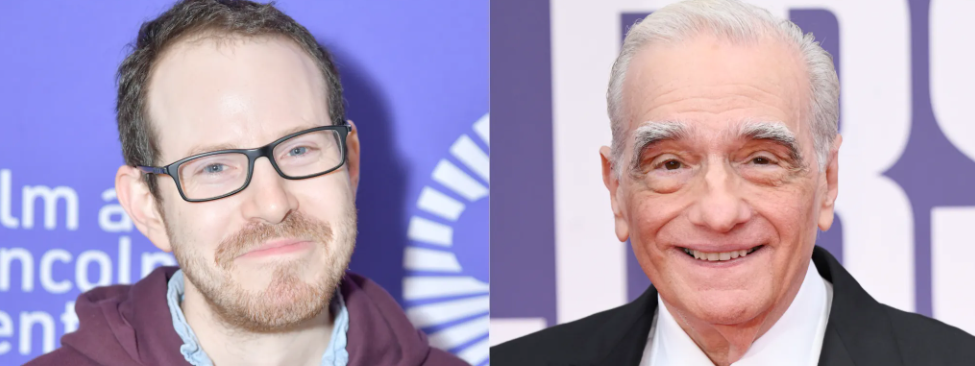
At this point, it’s quite clear that Martin Scorsese is an Ari Aster fanboy.
The legendary filmmaker has never been shy about his admiration for the new wave of A24-approved horror auteurs, but his love for Aster seems to go beyond casual appreciation. From the moment he praised “Hereditary” and “Midsommar,” and called Aster “one of the most extraordinary new voices in world cinema,” Scorsese has been one of the most prominent champions of Aster’s divisive, anxiety-inducing cinema.
Let’s not forget how Scorsese doubled down on that praise with “Beau Is Afraid,” noting the film’s “unique and original” cinematic language and its willingness to take real risks.
This film was remarkable for me on different levels. The second time I saw it I noticed the technical artistry behind it. The first time I didn’t know what it was about, nobody had told me anything about it. I was impressed by the language of it which was so unique and so original. The risk taking is so unique and so powerful and there aren’t many filmmakers who can’t do that on that level today.
Now, Scorsese is weighing in on Aster’s upcoming neo-western “Eddington,” which is set to hit theaters tomorrow. Speaking to The New York Times the 82-year-old filmmaker once again offered praise, describing the film as something uniquely unnerving:
“It externalizes the emotional violence behind it. “Eddington” dives right into the side of American life that many people can’t bear to look at or even acknowledge — no one wants to listen to anyone else, which is frightening.”
The film, shot by Darius Khondji, is a bleak, sprawling tale set in a crumbling Western town — very much in line with Aster’s taste for uncomfortable Americana. It’s earned mixed reviews from critics, but still well worth a look for its ambitious risk-taking.
Regardless, for Aster fans, Scorsese’s endorsement is yet another sign that the filmmaker remains one of the few contemporary voices willing to push audiences into deeply uncomfortable territory. For detractors, it’s fuel for the ongoing debate around whether Aster is a visionary or an overrated provocateur.

The short version: "Woman Unknown" was a compromise. The jury deadlocked over "Possible Love" and "NAZA," not able to com to terms, fell back on their #3, May el-Toukhy's film.