

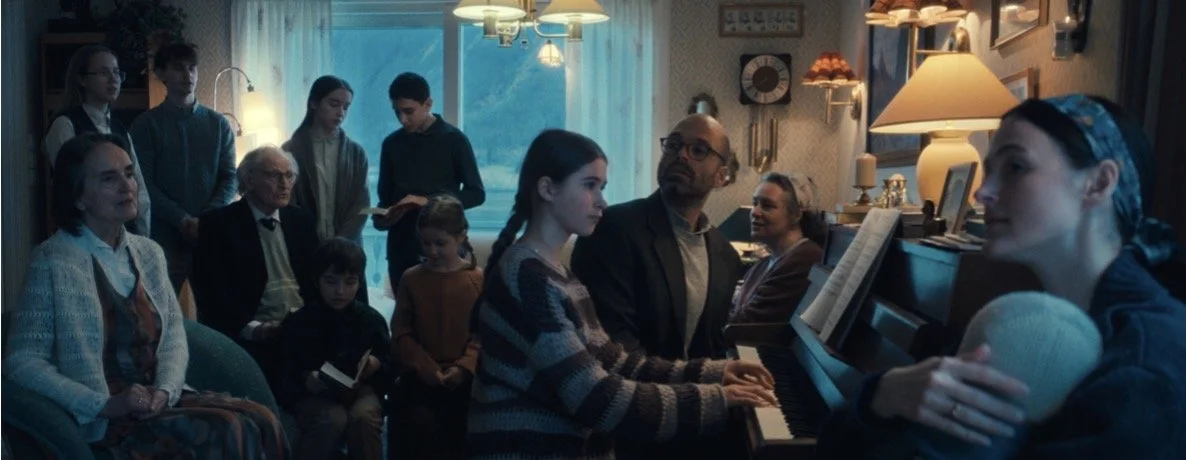
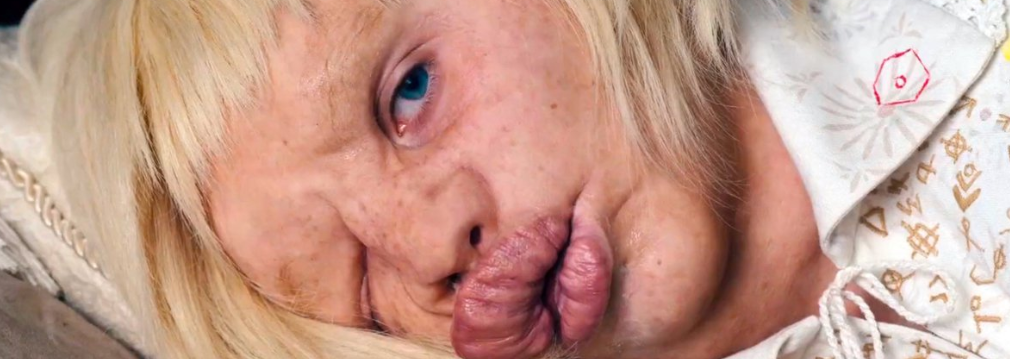
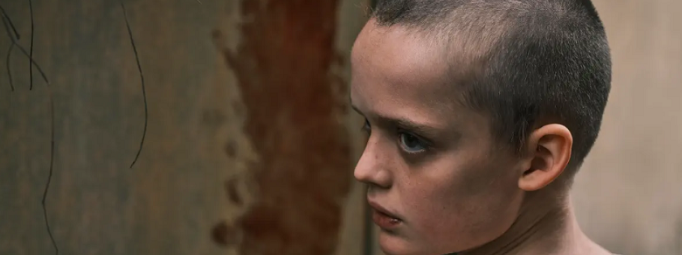
The Philippou brothers aren’t playing around anymore. With “Bring Her Back,” the duo behind 2023’s breakout horror hit “Talk to Me” return with a film that isn’t just scary — it’s straight-up skin-crawling. Think domestic horror crossed with cult psychodrama, filtered through a feverish, VHS-grain nightmare. The result is a film that might not tie itself up in neat narrative bows, but its body horror absolutely drills into your nerves and stays there.
Set in the sleepy outer suburbs of Adelaide, “Bring Her Back” opens with a gut punch and rarely lets up. After their father dies suddenly, teenage Andy (Billy Barratt) and his legally blind sister Piper (Sora Wong) are placed in foster care, just three months shy of Andy being able to legally care for her himself. Enter Laura (bats*t crazy work from Sally Hawkins), a disturbingly chipper caregiver who lives alone in a large, isolating house and gives off the kind of energy that starts as quirky and ends psychotic.
Hawkins — long praised for her work in everything from “Happy-Go-Lucky” to “The Shape of Water” — delivers something close to career-best here, playing Laura as a woman so wrapped in delusion and need that she practically vibrates. The film doesn’t hide her monstrosity; it parades it. From bizarre late-night dance parties to coded voodoo rituals involving a lock of hair from a corpse, Laura is the kind of horror villain who doesn’t lurk — she devours.
But the genius of “Bring Her Back” isn’t just in the extremity of its imagery — which is extreme — it’s in the way the Philippous refuse to give you a comforting narrative roadmap.
The story is chaotic, borderline surreal, like a lucid dream turning into a night terror. VHS clips of cult rituals, self-mutilation that borders on the mythic, unresolved symbols of witchcraft and control — it’s all there, and none of it is explained. And yet it works. Not because it makes sense, but because it feels like something dreadful clawing at the edges of your subconscious.
The Philippous aim for atmosphere instead of logic — they clearly know that the most illogical terror can be the most haunting. The result is a barrage of grotesque imagery that never relents.
There’s horror, and then there’s what this movie traffics in: psychological, spiritual decay, the annihilation of safety for children. Barratt and Wong ground the chaos with emotionally raw performances, especially Barratt, who peels away layers of false bravado to reveal pure terror. And newcomer Wong — legally blind in real life — brings a kind of quiet resilience that makes the horror hurt more.
In the end, it’s not jump scares that get you — it’s the dread. The slow, gnawing fear that something unspeakably evil is smiling at you from the kitchen table, offering tea. “Bring Her Back” isn’t flawless, but it doesn’t need to be. It’s bold, unhinged, and viciously effective — a wild swing from filmmakers who clearly have no interest in playing it safe. And thank god for that.

The short version: "Woman Unknown" was a compromise. The jury deadlocked over "Possible Love" and "NAZA," not able to com to terms, fell back on their #3, May el-Toukhy's film.