
The Cannes Film Festival has long been a place where careers pivot, sometimes dramatically. For three familiar actor — Scarlett Johansson, Kristen Stewart, and Harris Dickinson — the pivot is not on the screen this year, but behind the camera.
Their directorial debuts all bowed at Cannes this year, but the critical reception told three different stories. Dickinson emerged as the standout, his film earning the kind of praise that marks a bold arrival. Stewart’s effort was met with polite but tempered ink—some admired the ambition, others questioned the execution. As for Johansson, her film landed with a thud, drawing a chorus of disappointed reviews.
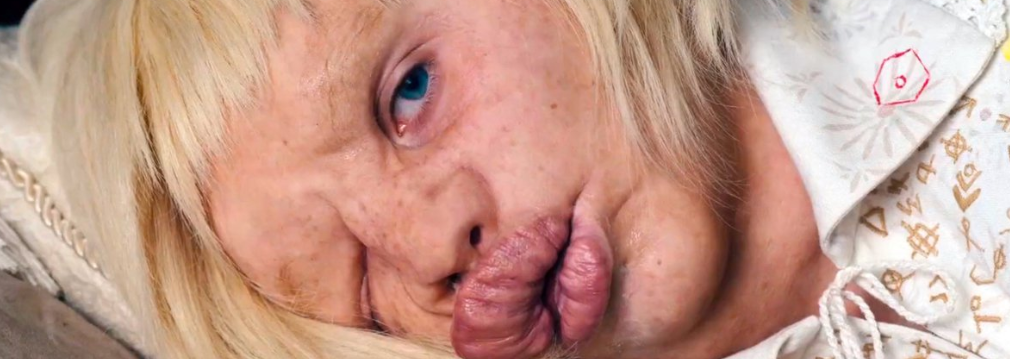
In Johansson’s “Eleanor the Great,” June Squibb plays a 94-year-old woman who relocates to New York City after the death of her best friend. There, she forms an unexpected bond with a young journalist, Nina (Erin Kellyman).
‘Eleanor’ has tonal inconsistencies throughout, occasionally wavering between heartfelt drama and whimsical comedy without fully committing to either. The script is also overstuffed with subplots that distract from the central narrative. This has led to reviews not being kind to Johansson’s film, which currently sits with a rotten score, and 50 on Metacritic.
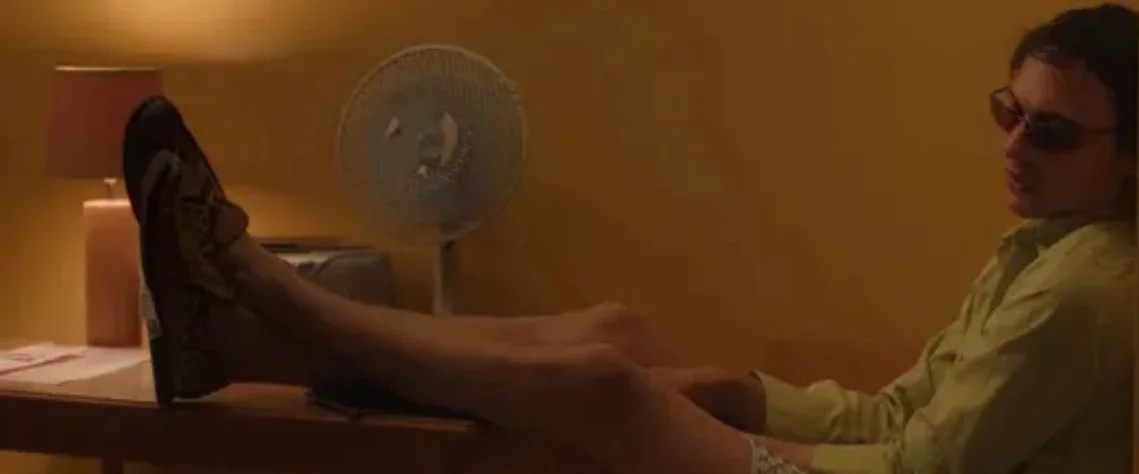
Dickinson, younger but more assured, made a lasting impression in starring opposite Nicole Kidman in “Babygirl.” His debut feature, “Urchin,” is something else entirely — raw, small in scale, and unflinching. The film follows Mike, a man drifting through the edges of London. What rhe film proved is that Dickinson has a remarkably sure hand behind the camera.
The raw approach to storytelling rejects typical narrative structure, opting instead for a portrayal of the chaos inherent in Mike’s life. The film’s documentary-like realism contrasts with moments of heightened, stylized sequences, reflecting Mike’s fractured sense of self.
What makes “Urchin” an impressive debut is its refusal to simplify: the story unspools in moments, with spare dialogue, and inspired visual choices. Frank Dillane gives a devastating performance, anchoring the film’s gritty poetry into something real.

Boyle's answer was met with a shout of "Never do that shit again" from the crowd, and the TIFF moderator swiftly brought the Q&A to a close, thanking everyone for coming.