


Back in May 2020, I polled over 175 critics, asking them to name their personal best films of the 1990s. Stanley Kubrick’s “Eyes Wide Shut” wound up at #5.
I love how Kubrick’s final film, initially met with mixed reviews, is now seen by many as a masterpiece. Christopher Nolan called it “the ‘2001 of relationship movies.’” An apt description for a film that continues to reveal surprises some 25 years since its release.
The film wasn’t met with unanimous praise upon release, far from it, and there are still many out there who believe Kubrick ended his legendary career with a thud.
Paul Schrader took to Facebook this week to revisit “Eyes Wide Shut,” prompted by Criterion’s new reissue, and he didn’t like it much. What is more surprising is how thoroughly his criticism seems to misunderstand what Stanley Kubrick was actually doing with his final film.
Here’s Schrader’s post in full:
EYES WIDE SHUT. I watched the Criterion reissue so see if my opinion (not positive) had changed over time. The first hour is brilliant, razor sharp dialogue, top notch performances by Kidman and Cruise. After that it falls into woowoo Bosch Imperiati sex party crazyland. After another half hour EWS struggles to right itself on the rails but cannot. It’s like someone who tries to convince you something illogical makes sense only to make it seem even crazier. The Criterion extras make a big deal about how Kubrick replicated NYC but even that seems false: wrong extras, body language, street lighting
Schrader praises the first hour, then dismisses the rest as “woowoo” nonsense, as if Kubrick somehow lost control of his own film midway through. However, that reading assumes “Eyes Wide Shut” is meant to be taken literally—as a thriller, a conspiracy movie, or a realistic portrait of secret societies. It isn’t.
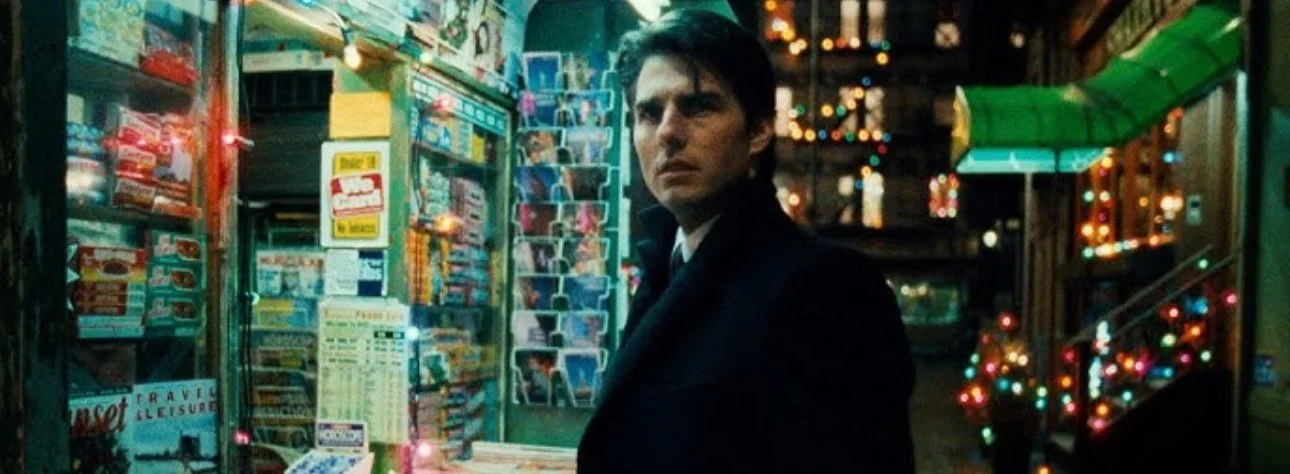
A lot of people have always approached “Eyes Wide Shut” from the wrong angle. The film isn’t about decoding a plot; it’s about inhabiting a state of mind. Kubrick’s New York City isn’t supposed to feel real. It’s Manhattan as experienced in a dream, where everything is recognizable yet … off: the streets too empty, the conversations too formal, etc. The wrong extras, strange body language, and uncanny lighting Schrader complains about aren’t failures of realism—they’re the point.
The “Bosch Imperiati sex party crazyland” is not Kubrick going off the rails. It’s Tom Cruise’s character crossing from the anxieties of marriage into a nightmare projection of his fears about sex, fidelity, and masculinity. The logic of the film is dream logic. Things don’t add up because they’re not supposed to. Like dreams, the film keeps insisting something is vitally important while refusing to explain why.
If you want to find some kind of meaning from “Eyes Wide Shut,” it’s probably in its depiction of love, and trust within a marriage, and, most importantly, sex — just look at the very final line of the film, Kidman telling Cruise they just need to “fuck.” That encapsulates (and solves?) the main dilemma of the film.
It’s also worth remembering what “Eyes Wide Shut” represents formally. This is Kubrick working as an old master, completely indifferent to modern pacing, narrative clarity, or audience reassurance. The film unfolds with an arrogant confidence, daring the viewer to surrender to its rhythm rather than demand explanations. In an era increasingly hostile to ambiguity, that alone makes the film feel radical.
Schrader loves to infuse spirituality in his films, existential obsession, so I do find it odd that he treats “Eyes Wide Shut” as if it were simply a failed thriller rather than a hypnotic meditation on intimacy and self-deception.

The source material, for the uninitiated, is Arrowhead Game Studios' co-op shooter — muscle in power armor defending "Super Earth" from bugs and robots in a war game.