
“Nuremberg” lands at a moment when Russell Crowe’s career has come to feel less like a decline from movie stardom than a deliberate rerouting.
Once one of Hollywood’s biggest leading men, Crowe is now more interested in supporting parts, villains, and genre films, largely abandoning the prestige-driven pursuit that defined his peak years in the ’90s and aughts.
Looking back at Crowe’s career, he enjoyed an impressive 12-year run from 1997 to 2009, with memorable turns in “L.A. Confidential,” “The Insider,” “Gladiator,” “A Beautiful Mind,” “Master & Commander,” “Cinderella Man,” “3:10 to Yuma,” and “American Gangster. However, Crowe is now navigating the peculiar back half of his acting career, one marked by some of his strangest choices—most recently a pair of bargain-basement exorcism films—embracing a level of self-aware excess he deliberately avoided at the height of his fame.
In an in-depth assessment for Vulture, writer Matt Zoler Seitz tries to get to the bottom of this phase (”There's Something About Late-Career Russell Crowe”).
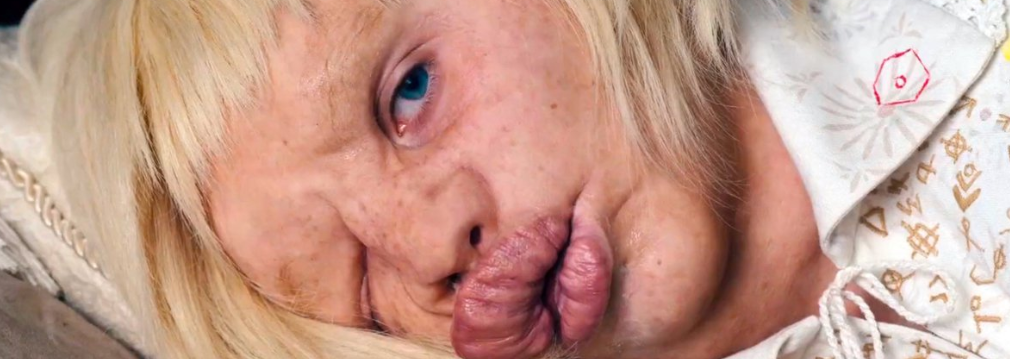
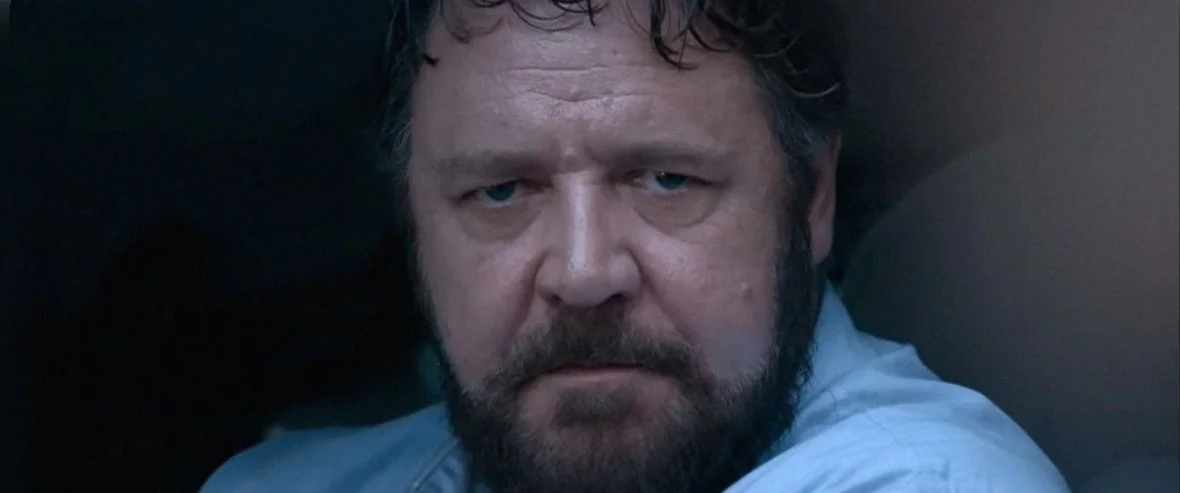
Seitz believes it began in 2010, three years after “American Gangster,” when Crowe quietly reframed his screen identity. Supporting turns in “Les Misérables” and “The Man With the Iron Fists” signaled a shift. Since then, Crowe has leaned into genre work and character acting—often playing grotesques, bullies, or fallen authority figures in films like “Unhinged,” “The Pope’s Exorcist,” and “Prizefighter.” These performances use his aging body and residual star power as expressive tools, allowing him to critique the same macho ideals that once elevated him.
Crowe recently addressed this career shift in a GQ interview, where he seemed keenly aware of the semi-backlash he’s received, as well as his infatuation with exorcist movies—and he doesn’t really care about the criticism.
“I’ve been unreasonably happy for most of my life. I know that bothers some people, but that’s just not my problem. I pursue creatively and artistically what I want to do, and I have done that for probably about 35 years, you know? I do it unapologetically,” Crowe told GQ. “And my choices are always freaking people out.”
He cited the 2011 film “The Man With the Iron Fists” as an example of what might appear to be an odd choice. Directed by RZA of the Wu-Tang Clan and filmed in China, the feature was widely panned by critics.
“People were like, ‘What the hell are you doing that for?’ And I was like, ‘Well, I really believe in Bobby Diggs, RZA. I definitely know that he’s got a director’s brain and that he understands film, and when else am I ever going to get to play a character like this?’” Crowe said. “‘[A character] who’s, like, blowing bubbles in a bath because he’s pulling anal beads out of [someone] in Shanghai, in whatever the year was supposed to be? Peter Weir didn’t ask me to do that.’”
The last 10 years or so have been rather strange for the actor. It’s not that he’s become allergic to prestige or artful films; rather, he seems content starring in cheaply made and largely unambitious projects such as “Fathers and Daughters,” “Unhinged,” “Sleeping Dogs,” “Winter’s Tale,” “The Water Diviner,” “Prizefighter,” and “Poker Face.”
Yet Crowe appears genuinely content with what he’s doing now, even if that contentment has led him far from the acclaimed path that once defined his career. Rather than chasing raves or relevance, he seems more interested in indulging his own curiosities—simply put, he just doesn’t care anymore what you think.

The short version: "Woman Unknown" was a compromise. The jury deadlocked over "Possible Love" and "NAZA," not able to com to terms, fell back on their #3, May el-Toukhy's film.