




During the 20th Century, we had film movements that shaped and changed cinema’s trajectory, reinventing the language of storytelling; I’m thinking of Soviet Montage (‘20s), German Expressionism (‘20s/’30s), Italian Neo-Realism (‘40s), Film Noir (‘40s/’50s), French New Wave (‘60s), New Hollywood (‘70s), New German Cinema (‘70s/’80s), and Dogme (‘90s).
How about the 21st Century? In my books, the five most important ones have been Slow Cinema (‘00s), Romanian New Wave (‘00s), Mumblecore (‘00s), Elevated Horror (‘00s/’10s), and the most recent, Korean New Wave.
The newly minted Korean New Wave actually takes some inspiration from American cinema; however, it is also unafraid to subvert and reinvent tired old Western formulas. The way some of these films turn into hybrids of genre — satire, thriller, melodrama, and farce — is what defines their voice. It is the most important cinematic movement to emerge on the international scene since the Romanian New Wave began blossoming almost twenty years ago.
South Korea has consistently existed on the edge. The threat of nuclear warfare, with its unpredictable neighbor to the North, always looms. You can feel that tension in the movies they make, which depict extreme emotional states with a sense of heightened realism.
A while ago, Trevor Treharne, the editor of KoreanScreen.com, an English-language reviews and features site dedicated to Korean cinema, asked me to participate in a massive poll of international film critics. The aim was simple: to put together a “100 Greatest Korean Films Ever” list based on the votes. I was asked to send my list of films, unranked. Close to 158 critics participated (Full Top 100):
1) Burning (2018)
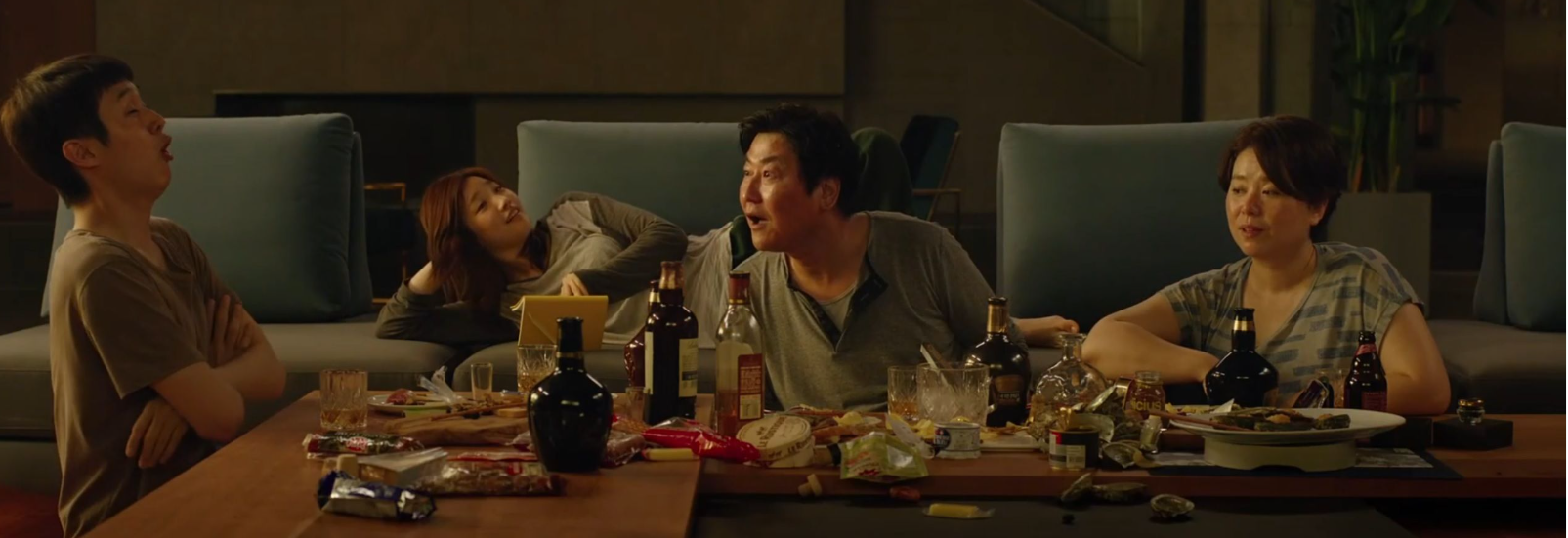
2) Parasite (2019)
3) Memories of Murder (2003)
4) Oldboy (2003)
5) The Handmaiden (2016)
6) Spring, Summer, Autumn, Winter and Spring (2003)
7) The Housemaid (1960)
8) Poetry (2010)
9) Peppermint Candy (1999)
10) Aimless Bullet (1961)
11) Mother (2009)
12) The Wailing (2016)
13) Train to Busan (2016)
14) Oasis (2002)
15) Right Now, Wrong Then (2015)
16) A Tale of Two Sisters (2003)
17) Joint Security Area (2000)
18) The Host (2006)
19) Snowpiercer (2013)
20) Seopyeonje (1993)
It’s interesting to note that 17 of the 20 titles were released in the last 25 years. The only “older” films included were 1960’s “The Housemaid” and 1961’s “Aimless Bullet.” Is this a case of the participants simply not being familiar with pre-Korean New Wave cinema? Quite possibly. Then again, there were plenty of Korean voters in this poll, so perhaps there’s something to be said about the gargantuan rise in quality and influence of that country’s modern cinema.
The Korean New Wave (which has also been nicknamed “Hallyuwood,” with “Hallyu” roughly translating as “flow from Korea”) started in the Aughts and peaked with Bong Joon-ho’s “Parasite,” a Palme d’Or winner and then Best Picture winner in 2020. It continues to this day, with Park Chan-wook’s “No Other Choice” becoming a festival darling this fall.
The Korean New Wave has even hit the mainstream, especially on streaming, with Netflix CEO Ted Sarandos investing heavily in Korean content over the past few years. It’s not just “Squid Game” either. Netflix viewership is strong across a variety of Korean films and television shows. In fact, Sarandos says that 60% of subscribers have watched at least one Korean title.
What are your favorite Korean New Wave films? Post them in the comments section.

The short version: "Woman Unknown" was a compromise. The jury deadlocked over "Possible Love" and "NAZA," not able to com to terms, fell back on their #3, May el-Toukhy's film.