



I was wondering when the inevitable backlash would arrive, but it’s finally here, and it’ll probably only get worse as Oscar season rolls along. This film will turn into one hot topic of discussion.
“One Battle After Another” is, according to the critical consensus, “the movie of the year.” Paul Thomas Anderson’s nearly three-hour film, starring Leonardo DiCaprio, has drawn enormous critical praise, but now the chickens have come home to roost.
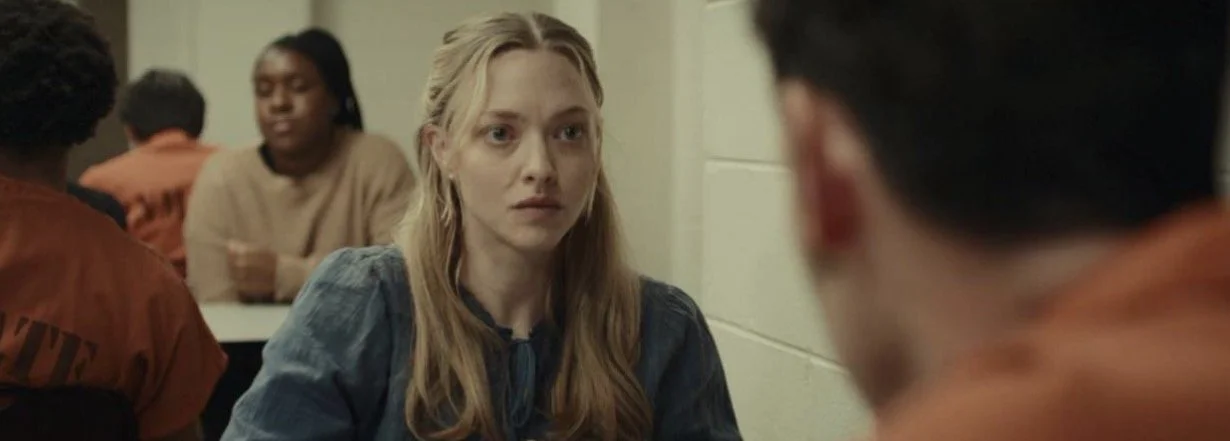
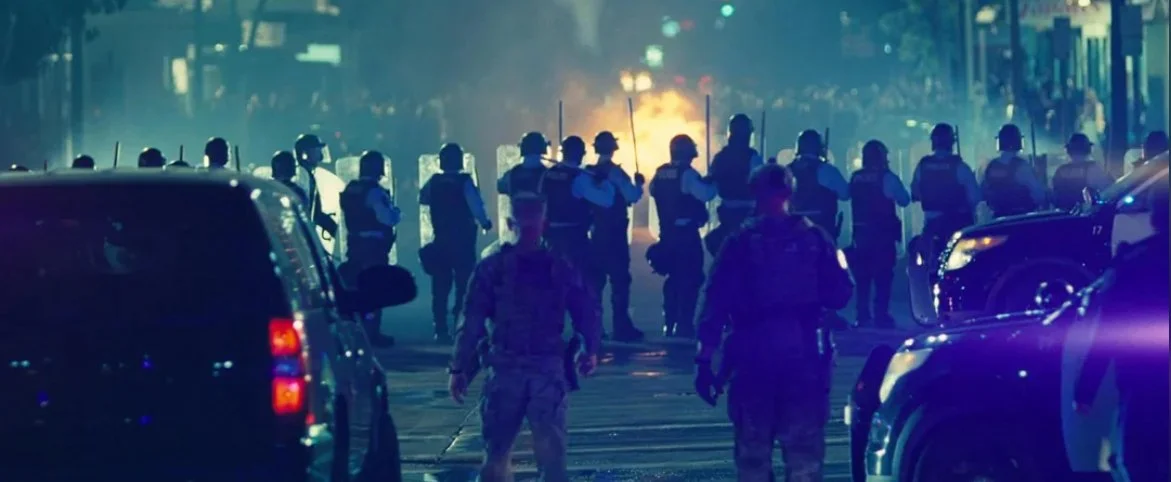
You see, the film is also intensely political, telling the story of a burned-out revolutionary (DiCaprio) who tries to save his daughter (Chase Infiniti) from a white nationalist military officer (Sean Penn) — it’s actually surprising there hasn’t been more noise so far from those on the right. The film opens with a raid on an ICE facility to free detainees, has an assortment of scenes involving migrants being hidden away in tunnels, as well as an undercover agent throwing a Molotov cocktail during a pro-migrant protest to justify increased force.
A THR report is sounding the alarm on the intense conservative backlash toward the film, growing by the day, and it certainly won’t let up in the months to come since “One Battle After Another” is the current frontrunner to win Best Picture.
An assortment of hit pieces have started making the rounds in the last week or so. Conservatives have expressed concern that the film glamorizes left-wing violence and could potentially inspire real-world violence.
“You can make excuses for it, but basically the [film is] an apologia for radical left-wing terrorism, that’s what it is,” said Ben Shapiro, who predicted the film will win “all the Academy Awards” due to its politics. “It has the subtlety of a brick … The basic suggestion is a conspiracy theory in which the United States is run by white supremacist Christian nationalists and all people of color and a few nice incompetent fellow travelers like [DiCaprio’s character] are going to take on that entire system. And that system must be taken on at the cost of family, at the cost of friendship, at the cost of decency, at the cost of basic human capacity for success. It is better, in other words, to be a complete loser who wastes your life bombing things randomly in order to free illegal immigrants to run willy-nilly across the border than to be a productive citizen.”
“For this movie to make any sense at all, one has to believe the United States, today, right now, is a fascist dictatorship,” wrote David Marcus at Fox News, under a headline that dubbed the film an “ill-timed apologia for left-wing violence.” “That is not only a dangerous fallacy but, as we have found out recently, a deadly one … The whole movie made me a little angry, but then I remembered that the Trump administration is cracking down on Antifa — today’s very real domestic terrorists — and maybe this will be a fun movie for them to watch once they are all in jail.”
“It’s a macabre coincidence that ‘One Battle After Another’ opens so soon after the assassination of peaceable conservative debater Charlie Kirk,” wrote The National Review’s Armond White. “The film undeniably romanticizes political assassination … Anderson intentionally provokes the bloodlust of his woke confreres (and Gen Z viewers who know nothing about the Sixties) by celebrating the insipid, heretical, and violent activities of the liberal past and present […] It is the year’s most irresponsible movie.”
“Watching One Battle After Another may not be entertaining, but its celebration of vitriol and murder is clarifying,” reacted The Blaze. “This is not the usual ‘anti-conservative’ Hollywood bias. When the perpetually sweaty DiCaprio shouts ‘¡Viva la revolución!’ while detonating bombs, you’re meant to cheer. And if you’re not cheering, well, those bombs are meant for you … Increasingly, Hollywood views half the country not as fellow citizens with outdated beliefs, but as enemies who deserve punishment. Owning firearms, favoring borders, voting differently — these aren’t policy differences; they’re treated as moral crimes, grounds for extermination.”
You could, of course, make the case that the film plays more like a satirical fantasy — Sean Penn’s Col. Lockjaw is certainly cartoonish and over-the-top. Then again, the fact that he’s a white supremacist deeply embedded in the U.S. government is certainly not a coincidence, and serves as a way for PTA to make a not-so-subtle anti-Trump statement. The entire film is very much political commentary, whether one cares to admit it or not.
What it really comes down to, for me at least, in terms of the film being deemed a “danger to society,” is whether it celebrates left-wing political violence — and quite honestly, I don’t think it does. DiCaprio’s character is an ex-revolutionary, burned out by a movement he was once profoundly devoted to, but sixteen years later, he is disgruntled and disillusioned by his past.
The film does not glorify violence, and if anything, shows us the repercussions of it, the political struggles, and personal sacrifices, aiming to provoke reflection on the nature of power and the costs of challenging it. It’s not the “call for anarchy” one writer opined, and really, whether it’s morally irresponsible will come down to your political alignment.
In the end, what we have here is a provocative, morally ambiguous film on political division, and ideological extremism — a vision both striking and ethically controversial. The fact that the film, which was written way before Charlie Kirk’s assassination, or ICE raids, has come out at this very moment, is purely coincidental.

Criterion's December lineup has some great additions to the library, but the title that jumped out at me is Werner Herzog's "Grizzly Man," which officially joins the Collection on December 8.