



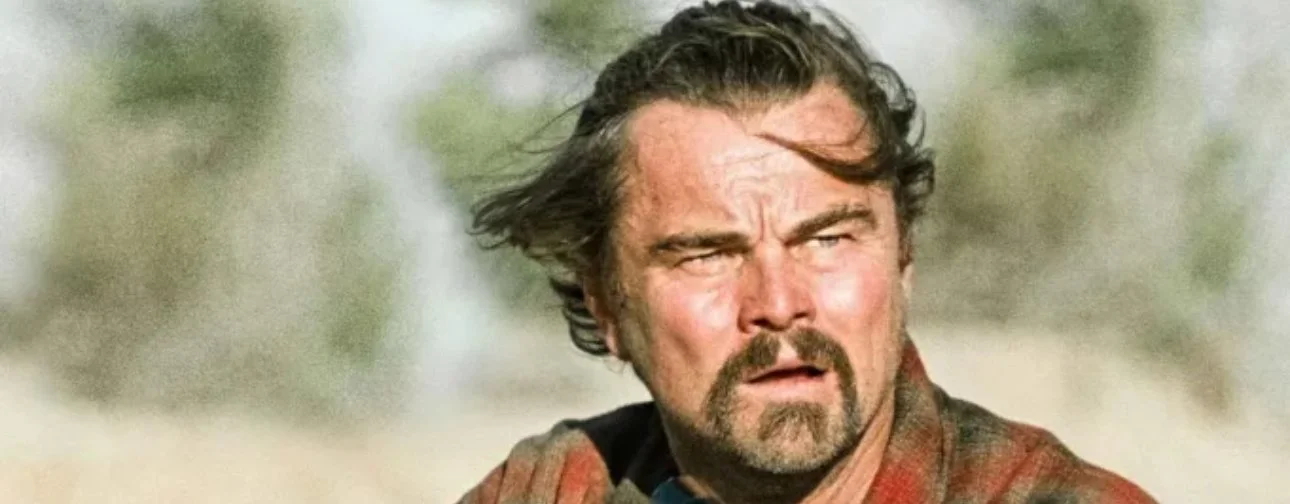
In its second weekend, “One Battle After Another” is projected to bring in $10–11M. That’s a second-weekend drop of −50% which as it stands, would slightly outperform “Killers of the Flower Moon,” which slid about 60% in its second weekend.
That stronger hold could help “One Battle After Another” to hit $100M worldwide by the end of the weekend, overtaking “Killers of the Flower Moon” in cumulative box office. ‘Flower Moon’ ended its theatrical run at $158M, against reported production costs in the $140M range, and carried a 3½-hour runtime.
The budget for One Battle After Another is reported to range from $140M to $175M. Let’s assume it’s at the lower end, a figure the trade seems to be accepting. That would put the film’s break-even point at roughly $350M—a target it is unlikely to reach. Current projections estimate its total box office will finish around $200–$210M.
With all that mind, there’s been a lot of debate about whether “One Battle After Another” should be considered a “success.” Despite very likely losing Warner Bros. a significant amount of money, the film has emerged as the best-reviewed release of the year and is predicted to earn 10–12 Oscar nominations, with the potential to win a few statuettes — possibly even Best Picture and Best Director.
Now, before you rush to declare the film a masterpiece and dismiss its financial losses as irrelevant, it’s important to remember that Hollywood is still a business. It’s commerce over art. Projects get greenlit based on one question: How much profit can we make from this? With that in mind …
Yes, it’s a near-miracle that Paul Thomas Anderson managed to make such an ambitious, almost indescribable film. The work could very well endure, and talk of its box-office shortcomings will fade with time. Still, its financial failure could mean that Anderson won’t be given the same blank check on his next project. Studios now recognize that even with Leonardo DiCaprio headlining, Anderson is not a commercially bankable filmmaker.
What this could ultimately mean is a return to mid-budget films like “Phantom Thread” and “Licorice Pizza.” That’s hardly a bad thing, but it does suggest Anderson will have to work on a smaller canvas next time. The filmmaker clearly has big ideas for future projects — he always has — but he may now need to scale them back.
In essence, “One Battle After Another” might be as close to blockbuster filmmaking as Paul Thomas Anderson will ever get in his career.

Earlier this year, Zack Snyder mentioned having seen James Gunn’s “Superman.” Heaping praise on it. Now he’s saying he actually hasn’t caught up with it yet?