
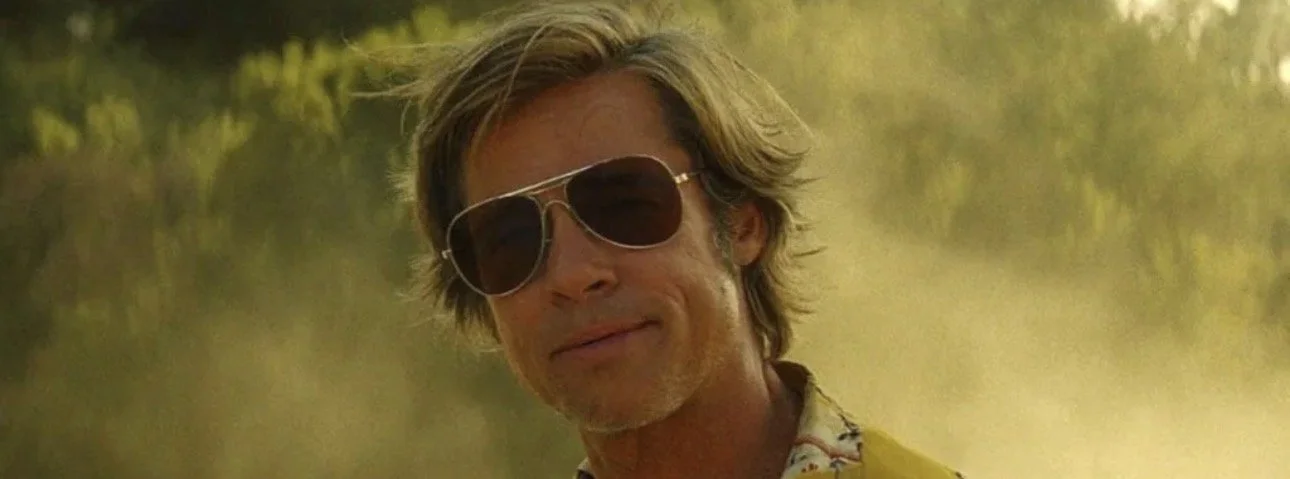

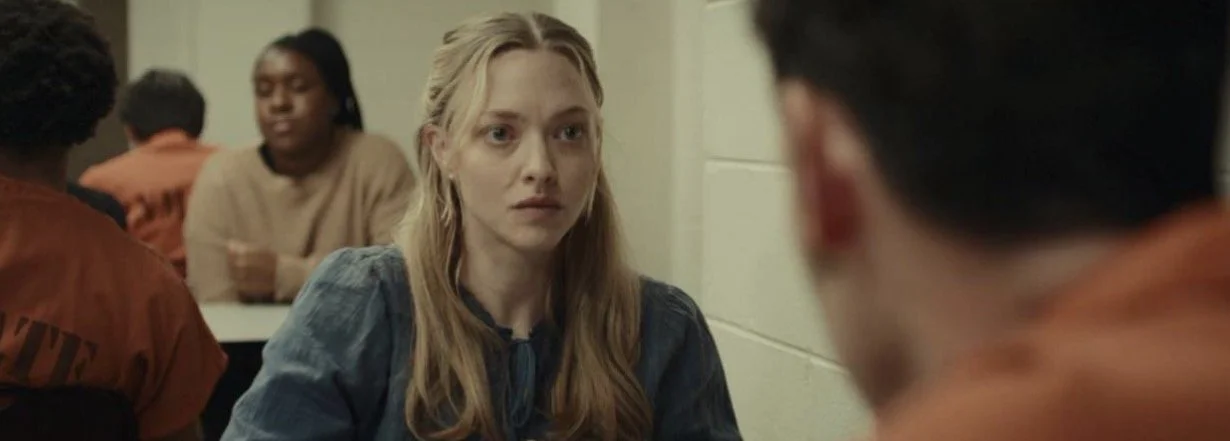

Many critics have hailed Paul Thomas Anderson’s “One Battle After Another” as a masterpiece — a film that, in their words, “captures the zeitgeist” of a politically divided America. However, some disagree with these assertions — here’s to you, Bret Easton Ellis.
The suggestion from “One Battle” diehards is that Anderson has made a work that embodies the current cultural condition — ICE raids, protests, activism, white supremacy, and more.
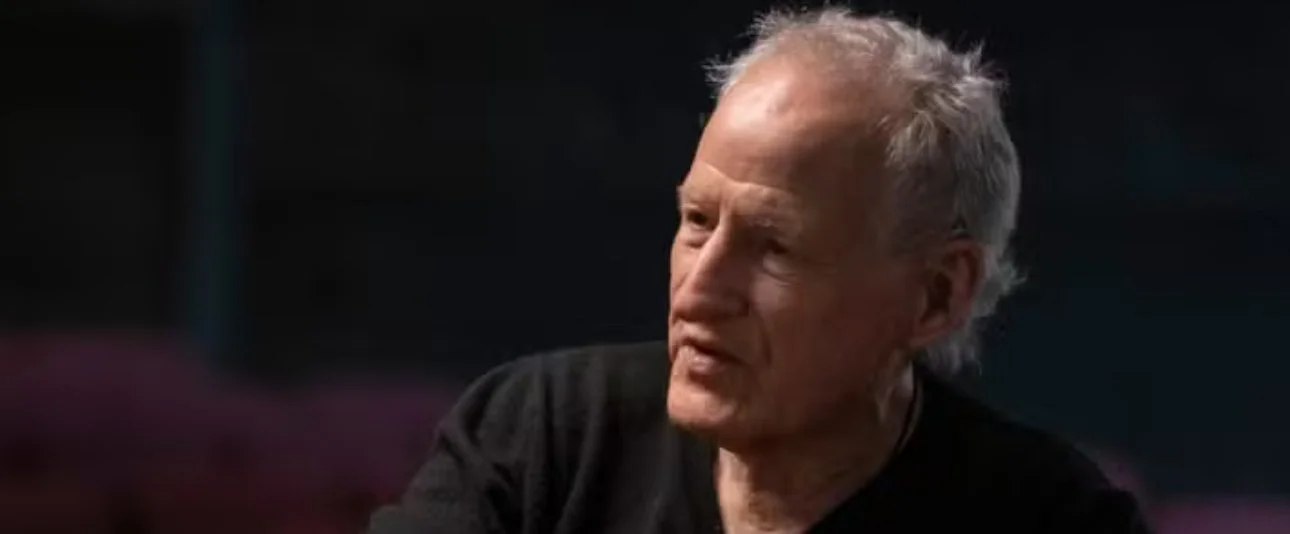
In a recent interview with Le Point, filmmaker Michael Mann offered his own reflection on America’s current state and, intriguingly, pointed to Paul Thomas Anderson’s new film, “One Battle After Another,” as essential viewing for anyone trying to understand the crisis the country is facing.
What’s happening to us is very serious; it affects everyone’s life and it’s an extremely complex issue. A relevant film I recommend for understanding the broader crisis America is going through is ‘One Battle After Another’ by Paul Thomas Anderson. Today’s crisis has little to do with the political struggles of the 20th century, which I lived through. Back then, when there was only one medium — television — Walter Cronkite’s CBS report in 1968, during the Battle of Hué, became a turning point that shifted public opinion against the war. We’re no longer in that world. With social networks, interconnection is so intense it creates a dynamic of overload.
Mann’s choice to single out “One Battle After Another” is yet another example of how the film’s admirers see their own worldview reflected in it. Mann reads it as a mirror of society’s confusion and disarray.
For Mann, Anderson’s “One Battle After Another” captures that fragmentation better than any contemporary film. Its restless form — overlapping dialogue, abrupt shifts in tone — mimics the information overload of the social-media age. The film doesn’t just depict a fractured nation; it feels fractured, disoriented, perpetually on the brink of burnout.
“One Battle After Another,” he implies, doesn’t offer solutions — it offers a structure through which to think about the chaos. And in Mann’s eyes, that’s exactly what serious cinema should do.

Criterion's December lineup has some great additions to the library, but the title that jumped out at me is Werner Herzog's "Grizzly Man," which officially joins the Collection on December 8.