
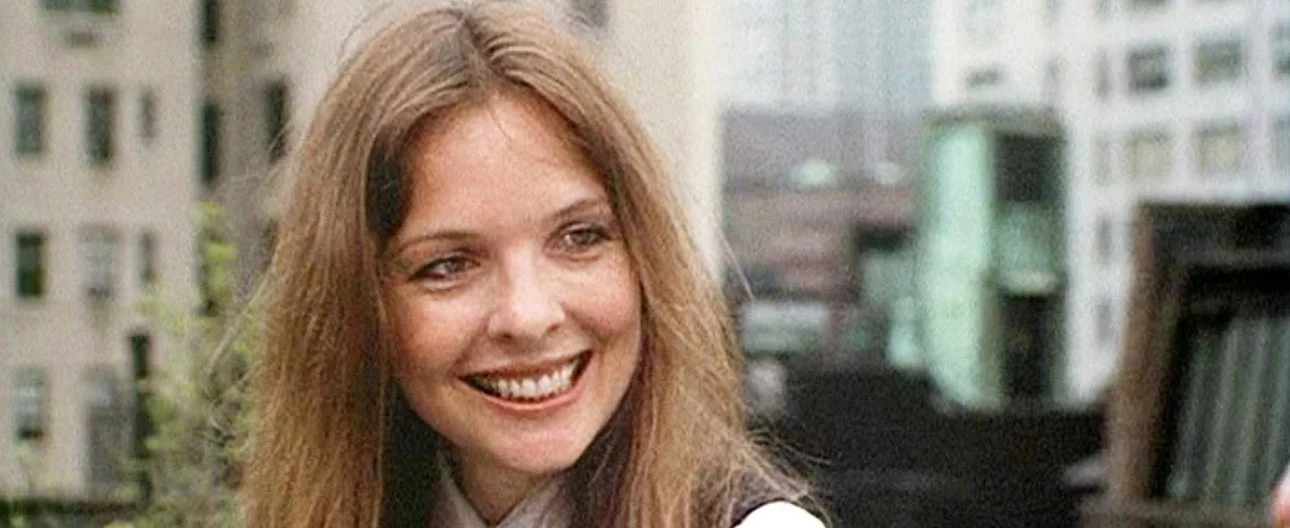
Diane Keaton has died, and with her goes one of the most unclassifiable, uncompromising, and authentic figures to ever grace American cinema. She was 79.
For half a century, Keaton embodied the kind of actor Hollywood doesn’t make anymore — neurotic but magnetic, funny but wounded, quirky but never cartoonish. She was the rare star who could play both the emotional backbone of “The Godfather” and the whimsical free spirit of “Annie Hall.”
Keaton’s filmography is a cross-section of modern American film itself. She began in “The Godfather” — Kay Adams, the moral conscience of Michael Corleone’s descent. Then came the real explosion: “Annie Hall,””Manhattan,” “Love and Death,” “Sleeper,” “Reds,” “Shoot the Moon, “Interiors.” Each performance was alive with contradictions — insecurity and charisma became her trademark.
By the time she hit her later career, the mainstream hits came — “Father of the Bride,” “The First Wives Club,” “Something’s Gotta Give” — she had evolved into the rarest thing in Hollywood: an actress who aged on her own terms, and became more popular. She never pretended to be anything but Diane Keaton — and that, ironically, made her timeless.
And yes, we can’t talk about Keaton without talking about Woody Allen.
She was, for years, his muse — the beating heart behind his most personal and human films. Eight films in total. “Annie Hall” wasn’t just inspired by her; it was about her. Their creative bond remained unbreakable long after their romance ended. Even as Allen became persona non grata in Hollywood, Keaton stood by him — publicly, unapologetically defending him. She defended him until her last days. It’s a loyalty that will divide opinion, but it also speaks to who she was: stubborn, loyal, allergic to trend-following morality.
The best compliment I can bestow upon Keaton is that she never lied to the camera. She was imperfect, awkward, authentic and brilliant. Keaton was never just an actress. She was a mood.
And now, as we say goodbye to her — one of the last great personalities of 1970s cinema — it’s hard not to feel that something essential about the movies is gone with her.

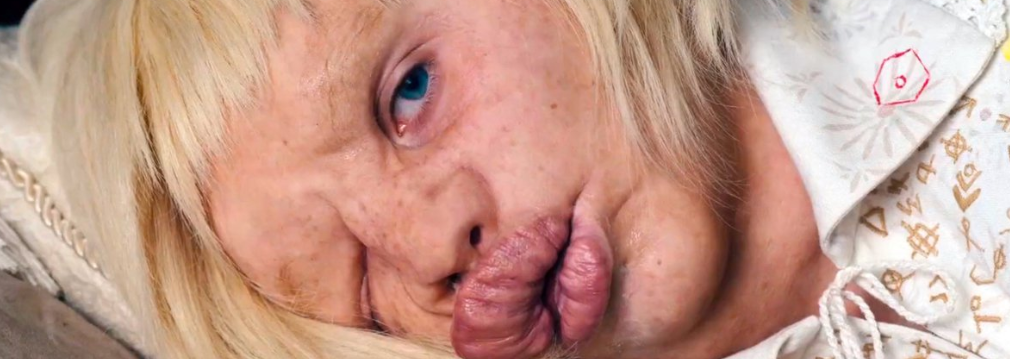
“Hope,” Na’s first film in ten years — his last one being the exemplary “The Wailing” —is a gloriously messy, blood-soaked sci-fi epic that may become a cult classic despite—or because of—its polarizing nature.