


I truly believed the embargo was lifting tomorrow. I was wrong. “28 Years Later: The Bone Temple” now has reviews, the embargo has lifted, and these are glowing reactions — moreso than the first instalment. The film currently sits at 80 on Metacritic, and 97% on Rotten Tomatoes.
My thoughts were on draft, with the belief that they would be published tomorrow, but I’ll scratch that and give you a lean and mean take on this bewildering film.
Much more than its predecessor, “Bone Temple” is the kind of sequel that seems to almost dare audiences to walk out. My kind of movie. It doesn’t escalate in the usual ways; instead, it spirals outward, piling on ideas and tones until it becomes something closer to a cinematic dare.
This is far and away DaCosta’s best film — I was impressed by the visuals she concocts here, the risk-taking she splatters in frame after frame. Alex Garland’s script is a hybrid of apocalyptic horror, cult cinema, and art experiment. Forget about coherence; this isn’t that type of film. What I liked much more about this film, when compared to Danny Boyle’s, is that it doesn’t hide what type of film it is — last year’s “28 Years Later” had Boyle and Garland giving us two different halves in one film. DaCosta gives us the full dish, unhinged.
If you’d asked me a year ago, when this new wave of films was announced, I’d have said I was more excited for Boyle than DaCosta—the latter a filmmaker who hasn’t exactly blown me away since her indie debut. Funny how things change. I far prefered DaCosta’s sequel, which actually knows what it wants to be. It leans into horror and character in ways the first film never did, and the payoff is great. For once, it feels fully realized, complete, and satisfying.
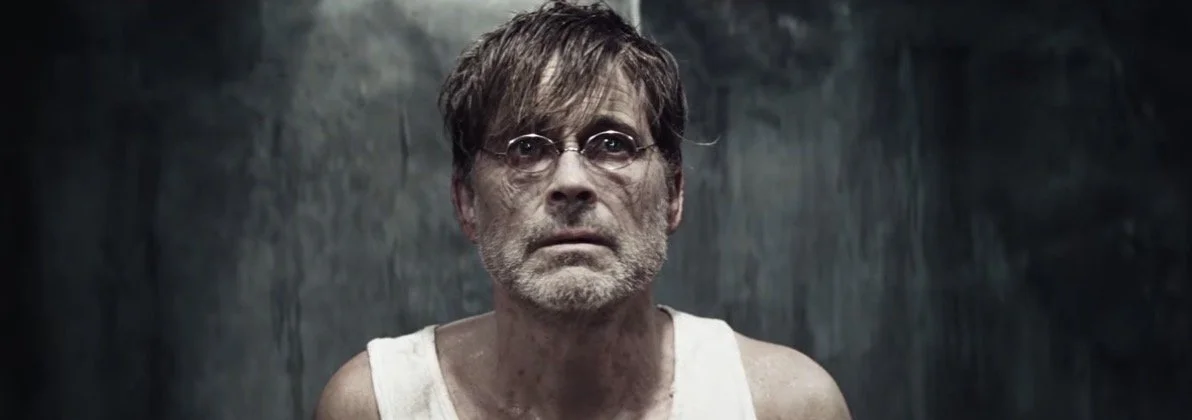
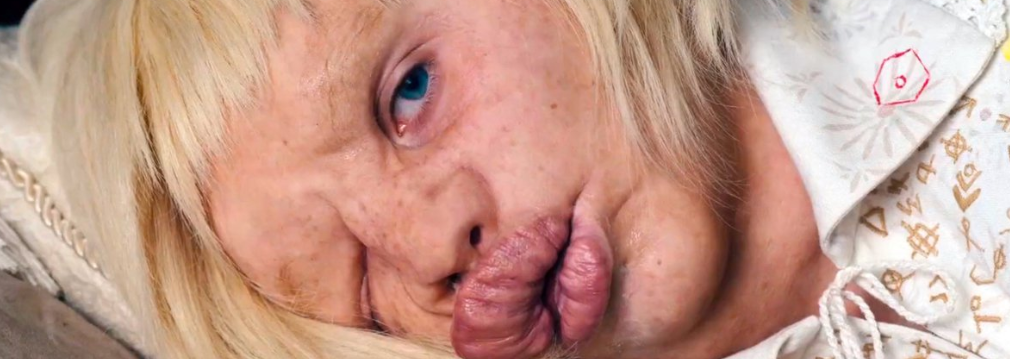
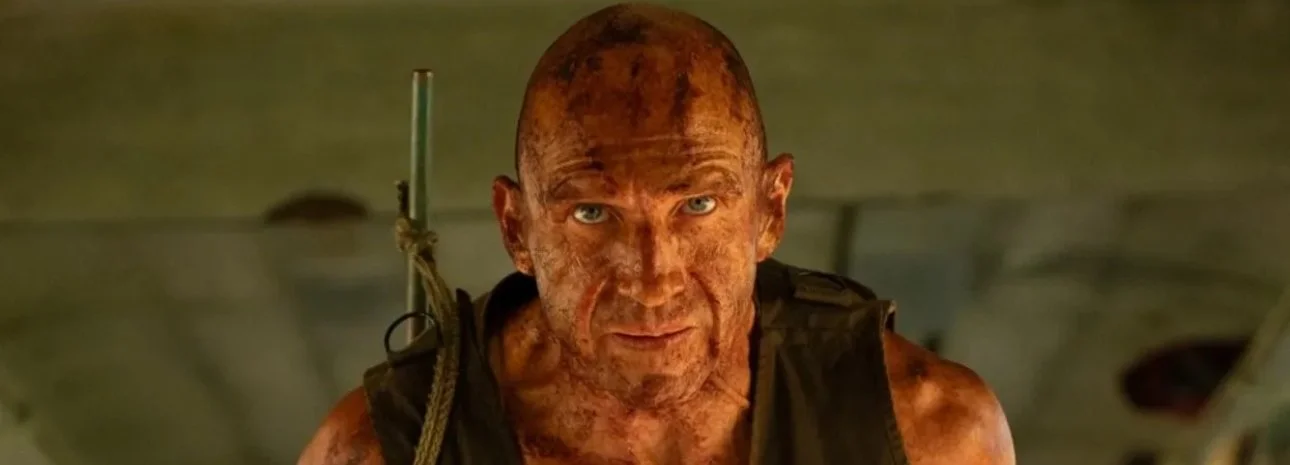
At the center of ‘Bone Temple’ is Ralph Fiennes, who is so good here — when isn’t he? — as the deranged Dr. Ian Kelson. If you wanted more of him after catching the first film, your wishes have been granted. Then there’s Jack O’Connell’s Sir Jimmy Crystal, a cult leader, satanist, and yes, performance artist who revels in violence. I can safely say I’ve never seen a movie character quite like the one O’Connell portrays here.
Now, here’s where I’ll stop unpacking the plot. The great thing about this film is that you can have a much better experience if you know as little as possible going into your seat. The unpredictability factor here is through the roof. The sheer nerve of making such an uncommercial cult film is music to my ears.
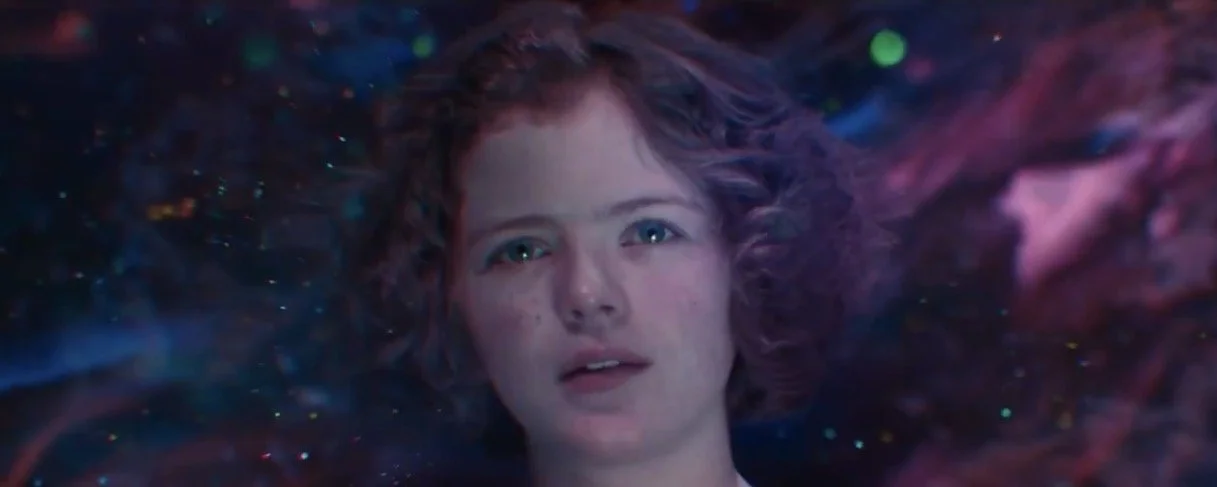
What you should know: the film follows our young protagonist, Spike (Alfie Williams), caught between Sir Jimmy Crystal’s violent cult and Dr. Ian Kelson’s twisted experiments, as survivors continue to navigate terrifying, post-apocalyptic Britain.
In the end, this film leaves you exhausted. Hildur Guðnadóttir’s pulse-rattling score is over the top, and DaCosta’s restless visuals can be punch-inducing. You will leave the theater pummeled by the sheer audacity of it all — the unwieldy, reckless, practically radical horror movie DaCosta has delivered here.

Quentin Tarantino has released ten films, but which one is his masterpiece? A critics’ poll I started back in 2024, and left sitting in my drafts ever since, is currently deadlocked between two films.