

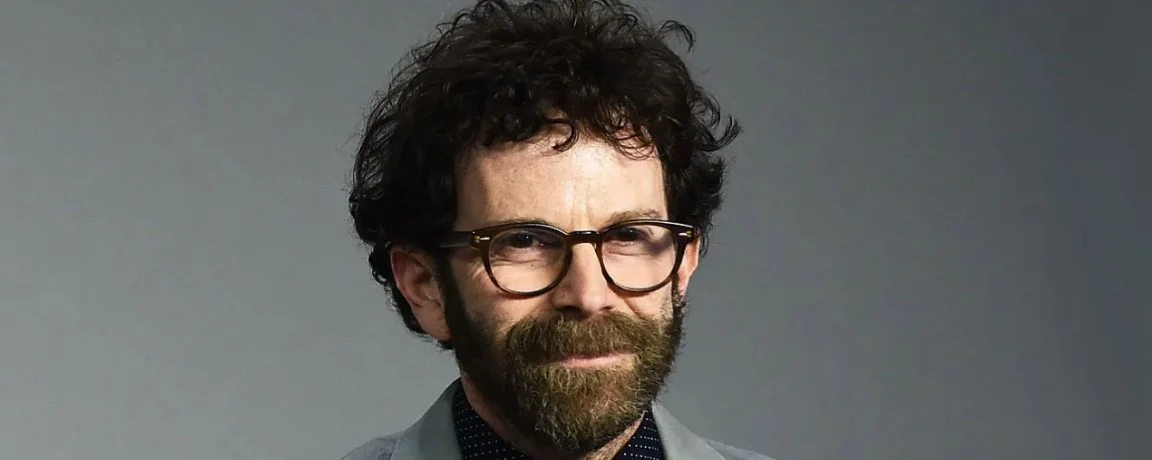
Back in May, I had reported that production on Charlie Kaufman’s “Later the War” had come to a sudden halt. No official reason was given, but sources told me cast and crew departed the set, with one of the Polish producers pulling out of the project altogether.
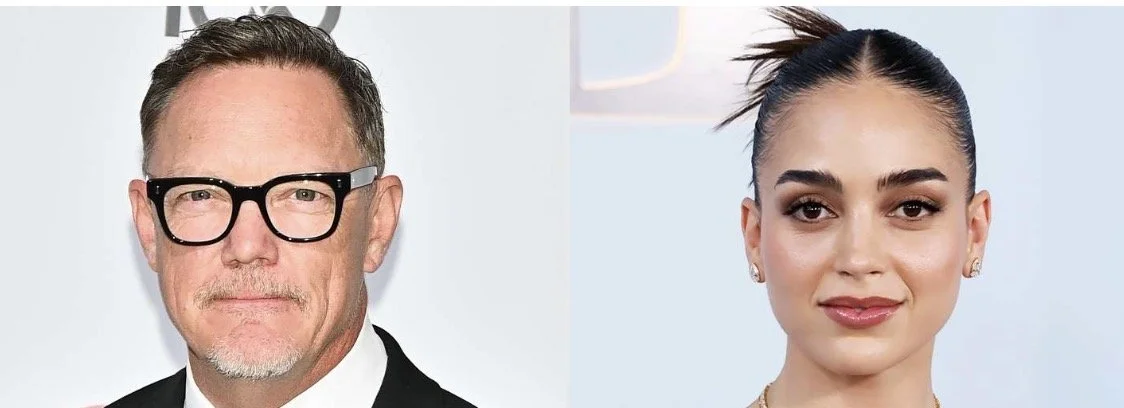
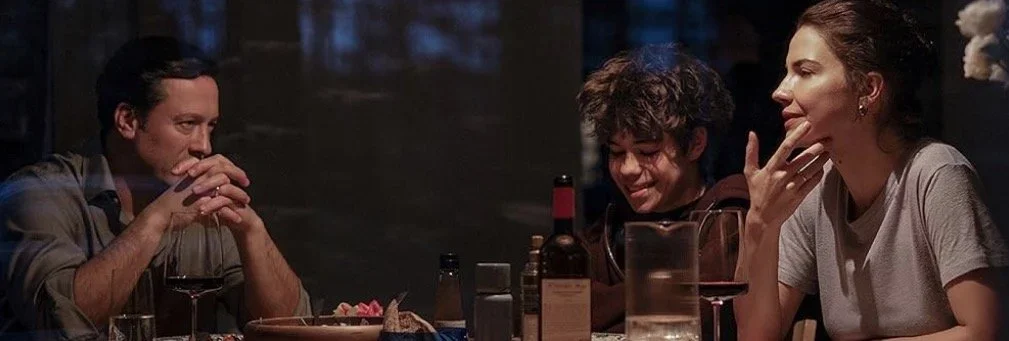
The film had assembled an impressive cast — Eddie Redmayne, Tessa Thompson, and Patsy Ferran were all on location in Serbia — but they suddenly left, casting serious doubt on whether the project could get made without a complete reset.
In an interview with IndieWire, published today, Kaufman is asked about my report, which has yet to be tackled by any of the trades, and if he had any comment about the situation:
We’re working on getting [“Later the War”] going. We had to rethink it. I don’t know what to say about it. We’re still working on getting it going, and I’m hopeful, and it’s very good!
In another interview, via It Happened in Hollywood, Kaufman elaborated further:
We had some problems. We're trying to regroup now, see if we can get it made, but it hasn't happened yet.
So there’s still hope; at this point, Kaufman is turning into the Orson Welles of the 21st century with continuous struggles to finance his projects.
“Later the War” was set to adapt Iddo Geffen’s short story “Debby’s Dream House,” a natural fit for Kaufman’s ongoing exploration of dream states and fractured realities. The plot follows a man who manufactures dreams for others, only to find himself producing nightmares instead.
Backed by a grant from the Polish Film Institute, the film would have been Kaufman’s first directorial effort since 2020’s “I’m Thinking of Ending Things.” Despite his reputation as one of the most original voices in American cinema, financing has long been a challenge for Kaufman. Even ‘Ending Things’ only came together once Netflix stepped in. In that sense, “Later the War” already felt like a minor miracle in the making.
Kaufman, of course, remains the mind behind “Being John Malkovich,” “Eternal Sunshine of the Spotless Mind,” “Adaptation,” “Synecdoche, New York,” and “Anomalisa.”

For months, people close to CEO David Ellison had hinted that he would leave if state AGs didn't drop their antitrust suit against the $111 billion Warner Bros. Discovery merger.