


George A. Romero’s death in 2017 was a major loss for horror cinema. He changed the genre forever with “Night of the Living Dead” and followed it up with titles like “Dawn of the Dead” and “Day of the Dead.” However, his best film might actually be the underseen “Martin” — a haunting, overlooked vampire story from the late ’70s that deserves far more attention.
For decades, Romero fans whispered about the mythic, long-lost version of “Martin” — the black-and-white, 3.5-hour cut the late director considered his true vision. Romero himself once called its disappearance the “greatest tragedy” of his career. After his death in 2017, many assumed the extended version was gone for good.
The film’s original cinematographer, Michael Gornick, confirmed this version was always Romero’s definitive cut. “May it soon return safely to the custody of Richard Rubinstein and Braddock Associates,” he said at the time, “for digital revitalization and distribution to the world.”
That last part? Wishful thinking. Rubinstein, the film’s producer, has long opposed any release of the extended version — his reasons never publicly clarified. For a time, it seemed the director’s cut might be mothballed indefinitely, another case of vital film history locked away by legal red tape.
But here comes another twist: Martin’s rarest cut has found a permanent, and very appropriate, home. According to a post by Living Dead Museum tour guide Lawrence DeVincentz, the reels have been donated to the George A. Romero archival collection at the University of Pittsburgh by none other than special effects legend Greg Nicotero.
I now wonder if Rubinstein may still be blocking a release. It’s been a while, and he must surely know how historically important it would be to show Romero’s intended cut, right? The film is preserved, protected, and housed where it belongs — in an institution dedicated to Romero’s legacy.
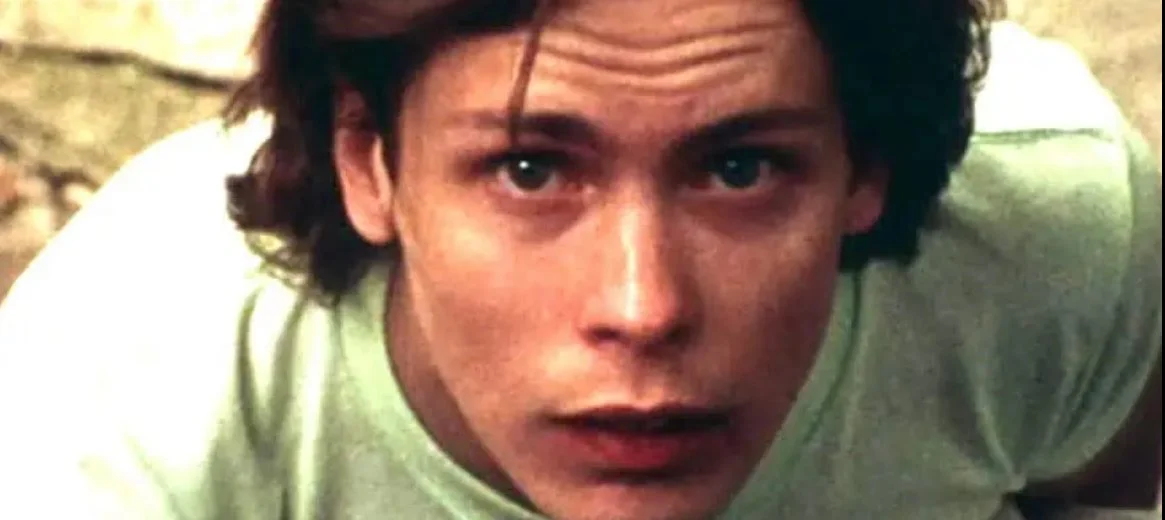
As for the film itself? “Martin” is one of Romero’s most intimate and unsettling works. A minimalist vampire tale stripped of supernatural trappings, it follows a young man (John Amplas) who believes he’s an ancient vampire. Lacking fangs or mystical powers, he drugs his victims and drinks their blood with a razor blade. When he moves to Braddock, PA, to live with a devout uncle convinced he’s damned, things spiral into unexpected tragedy.
It remains a masterwork of psychological horror, ambiguity, and decaying Americana. While the director’s cut might never be released — at least not under the current rights holders — the fact that it’s no longer lost is reason enough to celebrate.

Still no distributor for "Bucking Fastard," "Alpha Gang," "The Last Photograph," "Closing Night," and "The Life and Deaths of Wilson Shedd." The issue seems to be quality more than a lack of willingness to buy.