
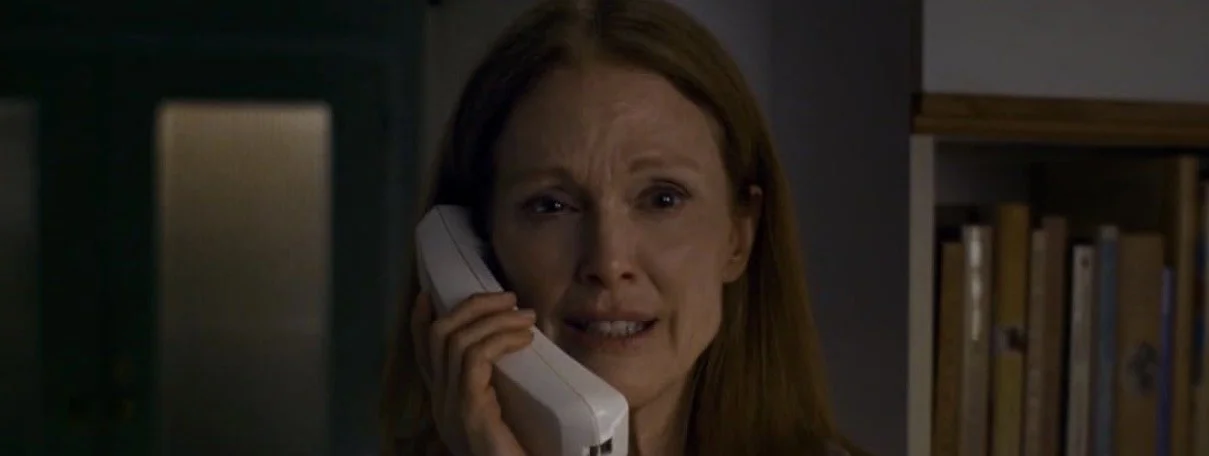
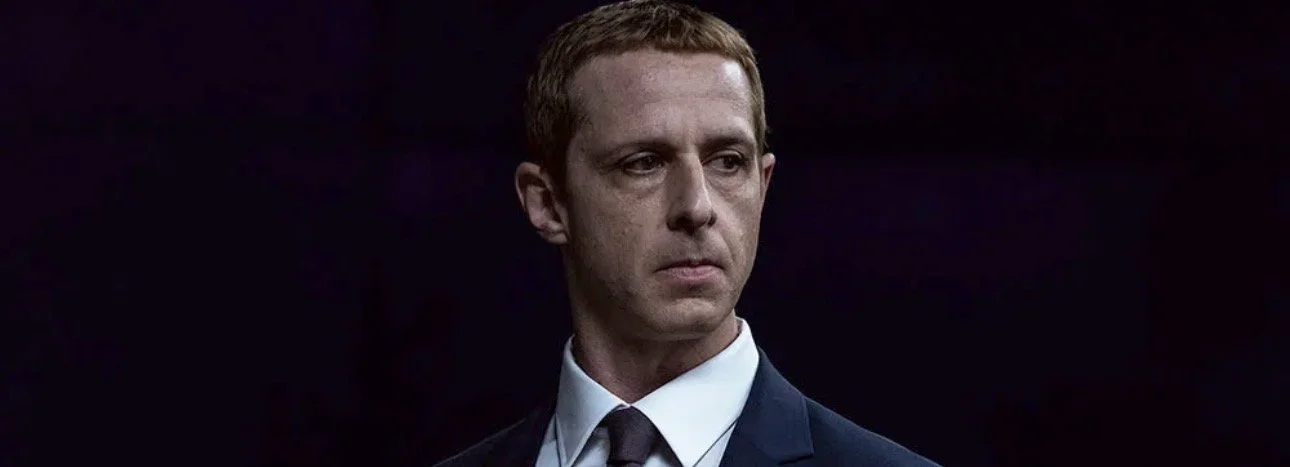
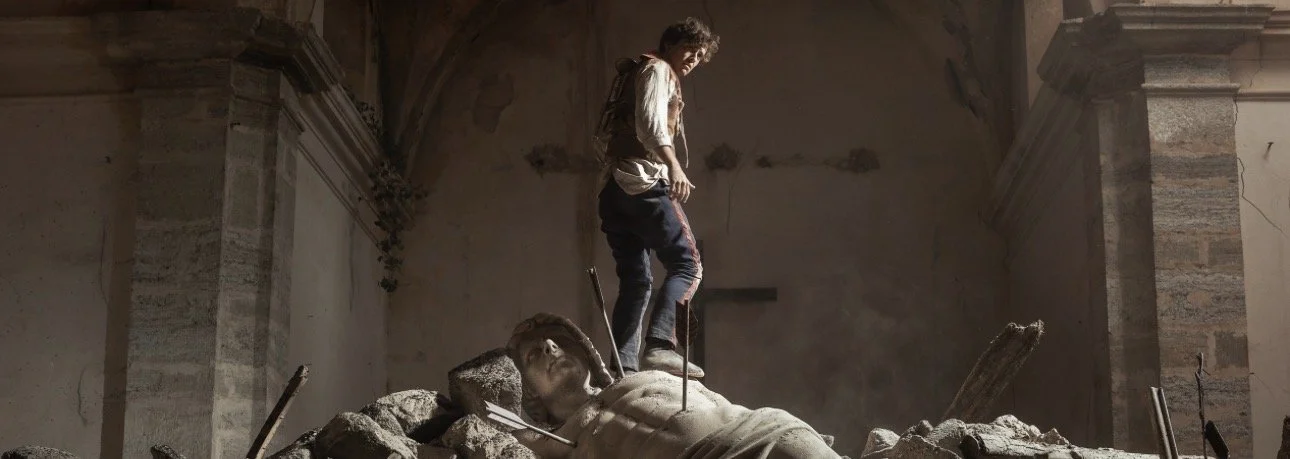


2025 was not a year of polite, well-behaved performances. It was a year of actors swinging for the fences—sometimes wildly, sometimes recklessly, and in the case of the work below, often gloriously.
Across films, indies, and international releases, the most exciting work came from performers willing to look ugly, unstable, obsessive, or downright unlikable. This wasn’t a year dominated by prestige biopics or carefully calibrated Oscar bait. Instead, the best performances felt dangerous, messy, and alive.
What stood out most was how many of these turns resisted easy categorization. Sustained pieces of work—actors disappearing into characters who spiral, self-sabotage, or burn out.
Some of these turns will be rewarded by Oscar. Others will almost certainly be ignored. That’s how this usually goes. Below are the performances that defined 2025—not because the industry says so, but because they demanded to be noticed.
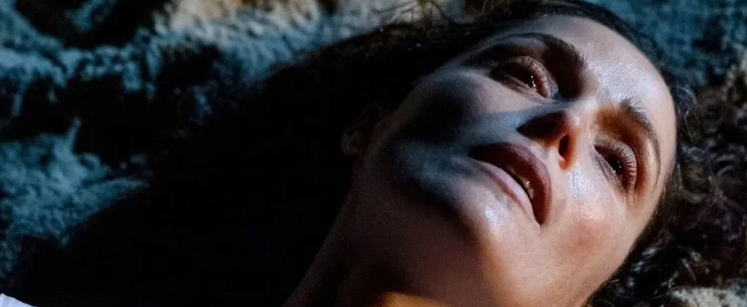
Rose Byrne (“If I Had Legs I’d Kick You”)
In a just world, Rose Byrne would win the Oscar. Her astonishing work in “If I Had Legs I’d Kick You” is, for my money, the best female acting of the year. Watch the film. She’s incredible in it. If the Oscars were actually about quality of work, rather than campaigning, Byrne would be the frontrunner. What makes her work undeniable is just how completely she disappears into the role. She’s a woman under the influence. It’s the kind of performance that doesn’t feel performed at all—raw, lived-in, and startlingly precise. She moves between fury, heartbreak, and deadpan humor with ease. This is towering, career-best work, and in any sane awards year, it wouldn’t just be in contention—it would be the performance to beat.
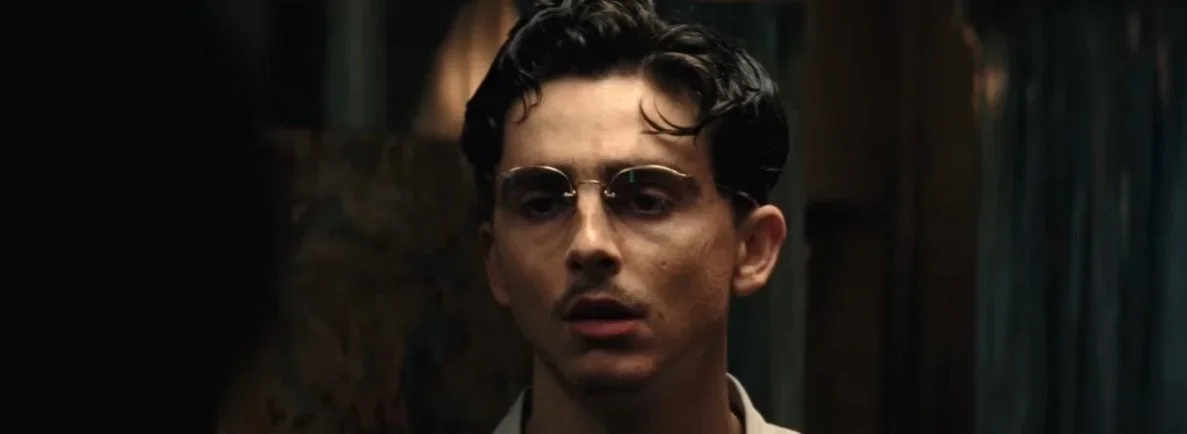
Timothée Chalamet (“Marty Supreme”)
Chalamet is correct in saying that the work he does in “Marty Supreme” is the best of his career. He should win the Oscar for his performance, and he might very well. The kid is mesmerizing in the film, transforming a brash, irritating punk into high art. He’s Marty Mauser, a 23-year-old shoe store salesman desperate for money to fund his trip to Europe for the table tennis championships—and willing to do whatever it takes to get there. His character’s relentless and obsessive drive for greatness is infectious, and watching him navigate every obstacle the film throws at him is utterly compelling.
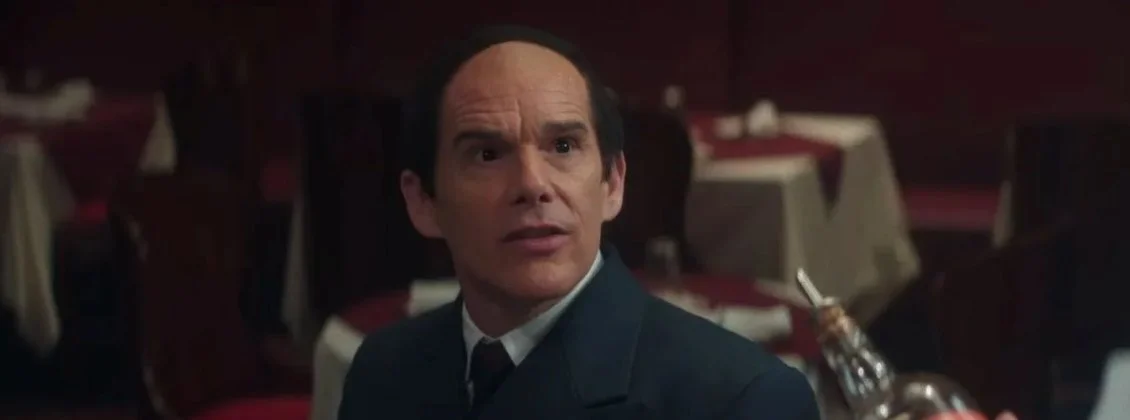
Ethan Hawke (“Blue Moon”)
Hawke crawls inside Lorenz Hart, the tiny, tormented, alcoholic genius who could write songs like no other and drink like no one should. Sporting a balding comb-over, it’s the kind of casting that shouldn’t work on paper—but it does, gloriously, in fact. Hawke shouldn’t work in this role—he’s too rangy, too sunny, too Texan—but he does, magnificently. He makes Hart’s bitterness both pitiful and exhilarating, a drunk’s spiral turned into a cabaret act from hell. In a career marked by strong roles, this might just be the performance of his career.
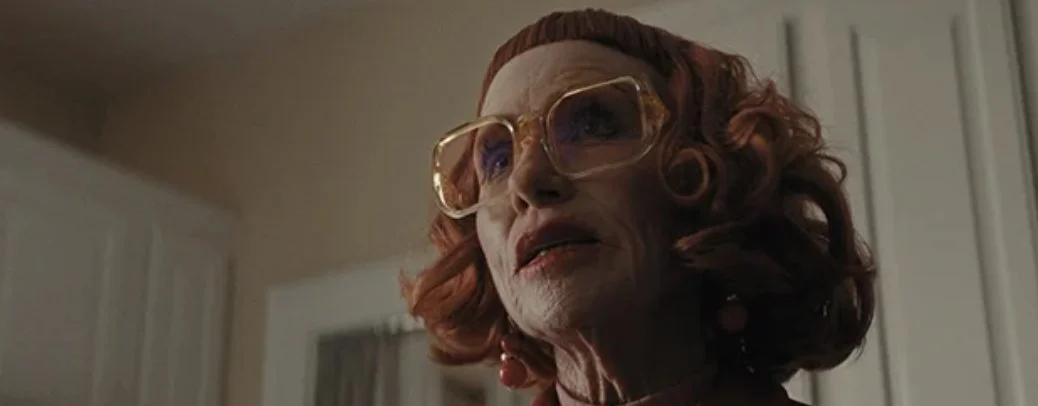
Amy Madigan (“Weapons”)
Madigan, in a turn both deranged and magnetic, damn well deserves all the accolades she’s been getting for her work as Aunt Gladys, a character so odd and yet magnetic, now iconic enough to have inspired a go-to Halloween costume this year. In the film, she steals every scene she’s in, blending dark humor with unpredictable menace. Whether she’s delivering bizarre family advice, scheming in the background, or erupting into chaotic outbursts, Madigan’s performance makes the character feel fully alive, endlessly entertaining, and impossible to forget.
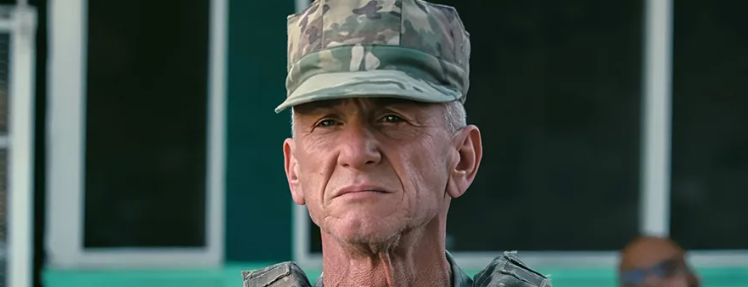
Sean Penn (“One Battle After Another”)
Although two-time Oscar winner Penn hasn’t stopped acting over the last decade, he’s been far less prolific than he once was, opting for fewer roles—and not many of them have been worthy of his talents. Well, this year he came back with a vengeance, and with his acclaimed performance in “One Battle After Another”, he’s delivered a performance so loony, hilarious, and terrifying that it’s hard to imagine anyone else nailing the role of Steven J. Lockjaw. Oh, and that walk—unforgettable: a mix between a caffeinated tortoise and someone who just realized they left the oven on—slow, deliberate, but with a hint of panicked urgency. He shuffles with purpose, like every step is part of some secret plan.
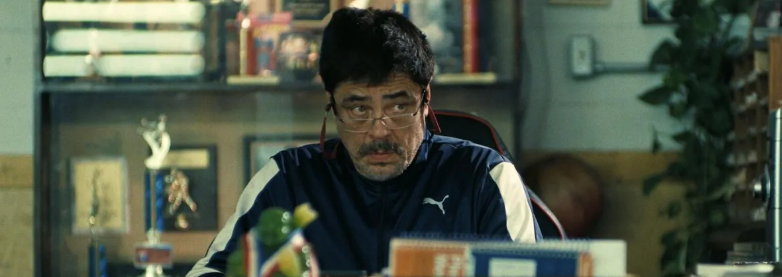
Benicio del Toro (“One Battle After Another”)
Penn’s co-star absolutely deserves a place on this list for his playful work and memorable lines (“a few small beers”). He’s in the film for no more than 25 minutes, but every time he shows up, it’s memorable. Del Toro steals scenes as Sensei Sergio, a karate instructor doubling as a migrant smuggler, in a jaw-dropping half-hour set piece where he orchestrates elaborate escape routes while Bob fumbles around in panic. This could end up giving him his fourth Oscar nomination—he already won the category in 2001 for his work in “Traffic”—and, in a surprise twist, it’s not Penn but del Toro who’s been sweeping this season’s critics’ awards.
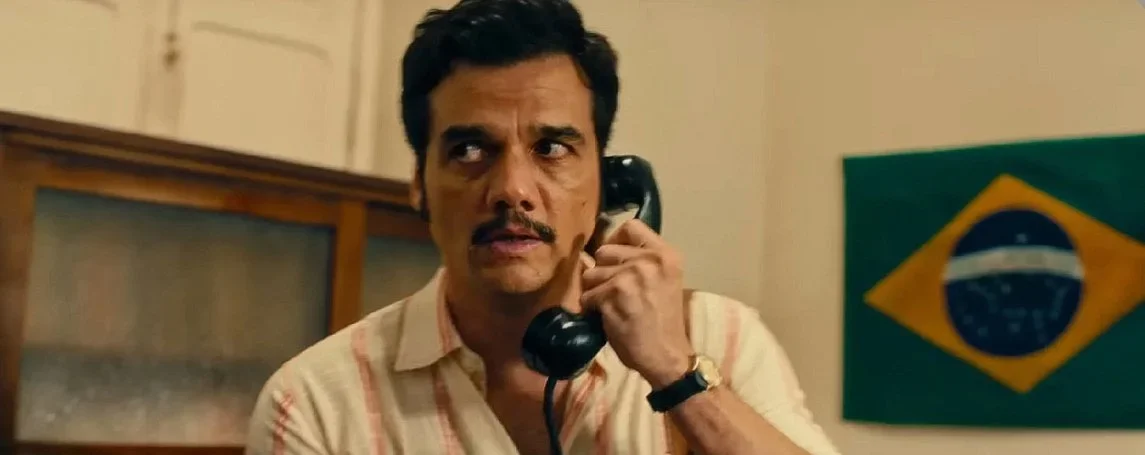
Wagner Moura (“The Secret Agent”)
What a quietly riveting performance this is, imbuing a character with the kind of brooding intensity that commands every scene he’s in. Moura plays Marcelo Alves—a former academic and technology researcher on the run, fleeing political persecution in 1977 Brazil—who assumes a new identity while hiding, as he tries to protect himself and reunite with his son. Moura’s ability to convey inner conflict and simmering tension brings depth to a character caught in morally ambiguous terrain. Whether navigating moments of quiet reflection or explosive confrontation, his performance is magnetic.
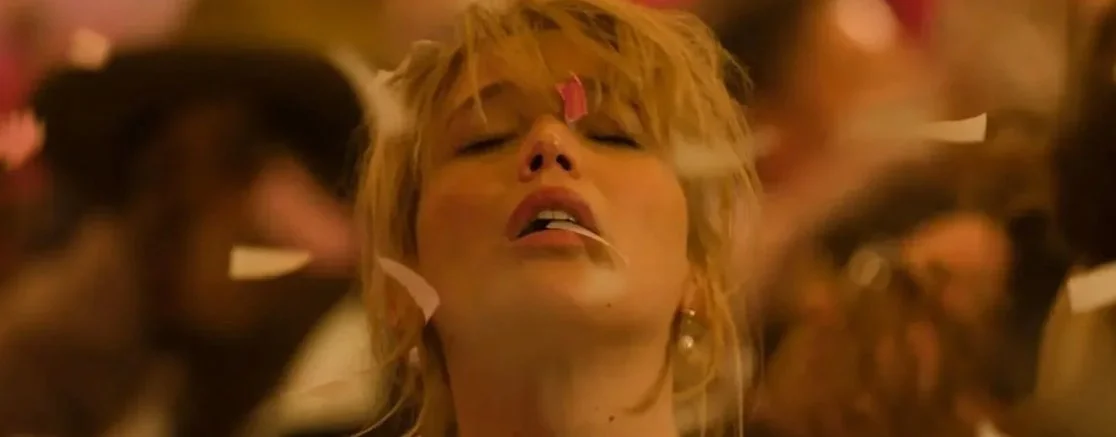
Jennifer Lawrence (“Die My Love”)
Jennifer Lawrence has never been one for half-measures, but it’s been a while since we’ve seen her go this raw, this unfiltered, this dangerous. In “Die, My Love”, she taps into something wild and uncontainable—a performance that jolts this flawed film to life. Her performance is a revelation—teetering between clarity and total collapse. One minute she’s mocking the small talk of suburban moms, the next she’s breaking glass with her bare hands. Lawrence reminds us why she became a star in the first place.
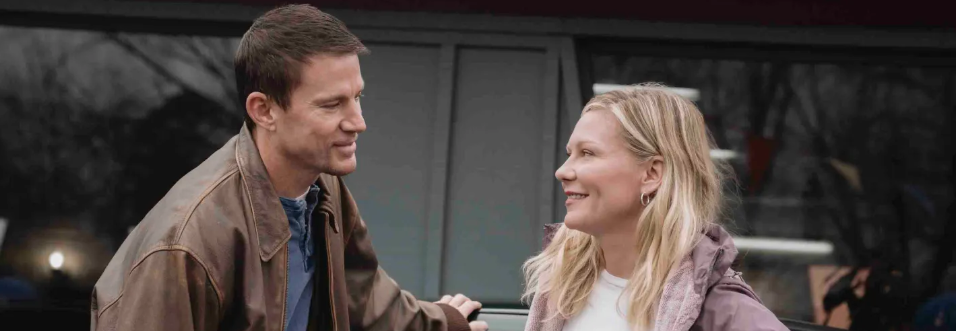
Kirsten Dunst and Channing Tatum (“Roofman”)
Here’s a curveball. Two performances that I’ve decided to add because they’ve gotten lost in the awards season chaos. Channing Tatum plays real-life criminal Jeffrey Manchester with such boyish charisma that it’s hard not to root for him. Tatum is a mixture of charm and recklessness, and he embodies all of it with a confidence that’s grown beyond his earlier, more cocky roles. Manchester strikes up a romance with one of the store’s employees, Leigh—wonderful turn by Kirsten Dunst—a single mother who is cautious, wary, and devoted to her children. Their chemistry is effortlessly romantic. They find the unconventional point of entry into each other’s hearts, and it’s their relationship, more than any robbery, that carries this movie.
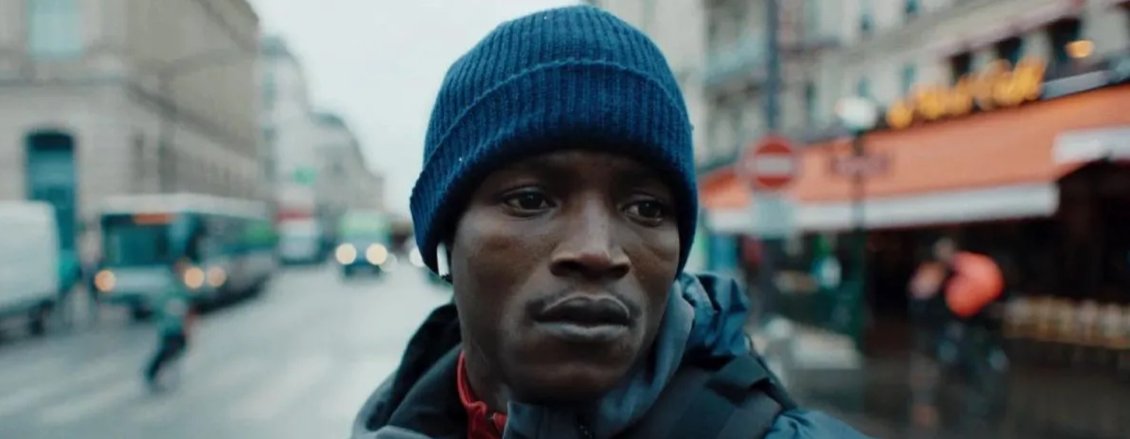
Abou Sangaré (“Souleymane’s Story”)
Sangaré’s performance as a French asylum seeker—whose work as an Uber Eats driver unleashes Safdie-like chaos—drives the film, and it’s made even more impressive by the fact that he was found through an exhaustive casting search that wove elements of his own life into the script. That intimacy gives the film its raw immediacy, and Sangaré’s work feels less like acting than lived experience. With no prior screen credits, he delivers a deeply affecting debut, channeling quiet rage and resilience with remarkable control. This doesn’t feel like a one-off discovery, but the emergence of a powerful new presence in cinema.
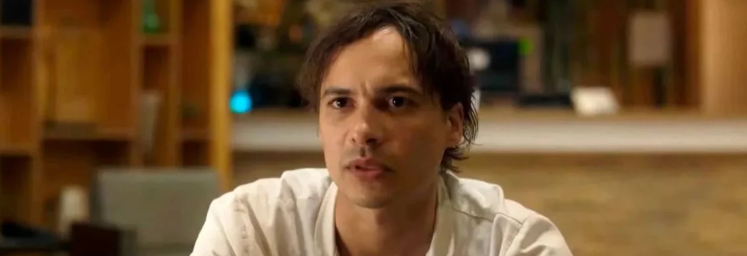
Frank Dillane (“Urchin”)
Harris Dickinson’s “Urchin” features an overlooked, powerful turn from Frank Dillane as Mike, a homeless drug addict in London. Winner of Cannes’ Un Certain Regard Best Actor, Dillane captures a man trapped by his own choices—desperate, self-destructive, and barely deserving of rescue. He drifts through dead-end jobs and ruined relationships, yet Dillane’s raw, magnetic performance never resorts to melodrama, making Mike both painfully real and unforgettable. If only more people had seen this film, Dillane would figure on many more of these lists.
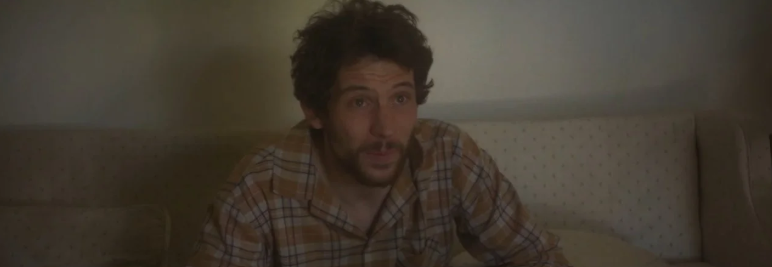
Josh O’Connor (“The Mastermind”)
In Kelly Reichardt’s film, O’Connor plays an inept art thief drifting without purpose, out of step with a generation galvanized by opposition to the Vietnam War. His plan is flimsy, his crew cobbled together, and even before the heist, he struggles to hold together his marriage, his father’s respect, and his own sense of worth. This is a performance that feels lived-in and quietly heartbreaking. O’Connor doesn’t shout or rage — he simply tightens, like a rope stretched too far. His silences in this mesmerizing film tell a whole story.

Here's a small scoop for Sunday night. Nothing too exciting, since it concerns the once-promising Ben Wheatley, a filmmaker who broke out with the cult-horror gut-punch of "Kill List" and "A Field in England.”