

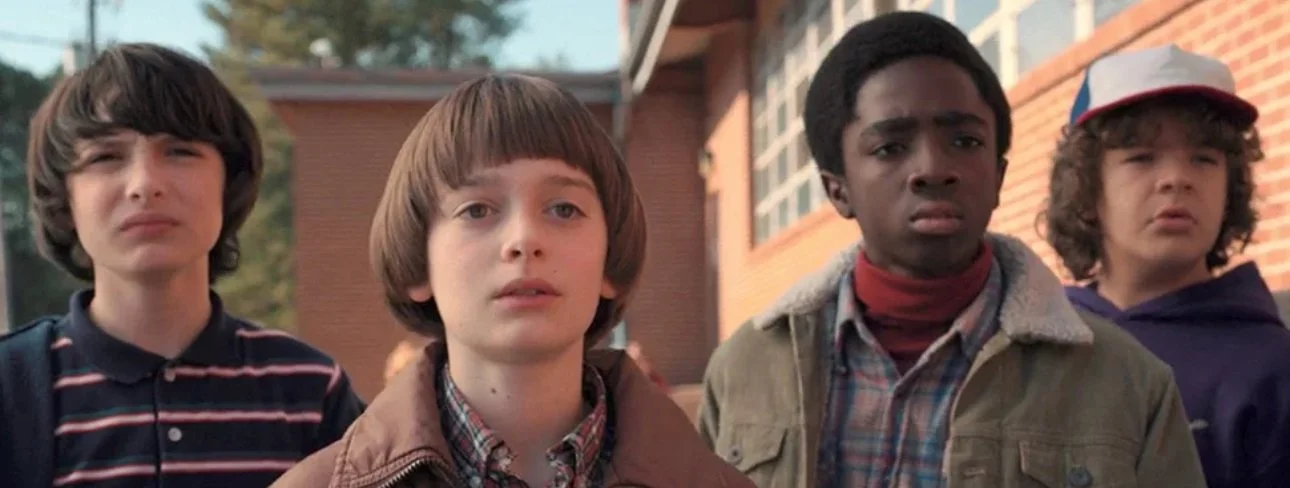
It looks like Netflix is going all-in — again. According to a new report from Puck News, the fifth and final season of The Duffers Brothers’ “Stranger Things” will be the most expensive season of television ever produced, with a price tag that surpasses any Marvel movie.
The streamer is reportedly shelling out an average of $60M per episode, across eight episodes. That’s, give or take, a total of $480M — for one season. For context, Season 4 already pushed the envelope with a $30M-per-episode budget, while the show’s debut season cost a modest $6M per episode. Netflix clearly believes this last season will be massive.
Yes, Amazon’s “The Lord of the Rings: The Rings of Power” previously held the record at $58M per episode ($465M total), while “Citadel” clocked in at $50M per episode — a figure inflated by behind-the-scenes chaos and costly reshoots.
“Stranger Things,” though, seems to be expensive on purpose. The outlet reports that every episode of the final season will be feature-length, running between 90 and 120 minutes each. That’s basically eight movies. Yet it still wasn’t “movie” enough for the Duffer Brothers, who recently exited the streamer and headed to Paramount after being offered an exclusive first-look theatrical deal.
The release schedule is equally cinematic: the first four episodes drop November 26th, followed by three more on December 25th, and the grand finale on December 31st.
At this point, Netflix seems determined to make “Stranger Things” go out with the loudest, most expensive bang possible. I have no doubt it’ll garner massive viewing numbers, and they even got Frank Darabont (”The Shawshank Redemption”) out of retirement to direct two episodes.
I can’t be alone in thinking this, and despite its lasting popularity, “Stranger Things” peaked early and became less consistent as the second season rolled along. Yet it continued to build up its audience with each season. Netflix really milked the nostalgia-fueled phenomenon for all it was worth, doubling down on bigger monsters, longer runtimes, and increasingly bloated budgets in an attempt to recapture that first-season magic.

Following “Air,” this is Affleck’s latest stint behind the camera. He has cast himself in the lead role, alongside Kerry Washington, Steven Yeun, and Gillian Anderson (“The X-Files”).