
When it comes to AI usage in art, there are two likely scenarios: either it will be so seamlessly integrated into our lives that we won’t even notice using it, or we’ll all wonder what the fuss was about.
Paul Schrader seems to bet on the former—he’s all in on AI, even hinting at making a film using the technology. George Miller is in a similar camp, though he faced heavy backlash recently for saying that “AI is here to stay and change things,” emphasizing its transformative potential for the industry. He even compared the evolution of AI to historical shifts in art, like the introduction of photography.
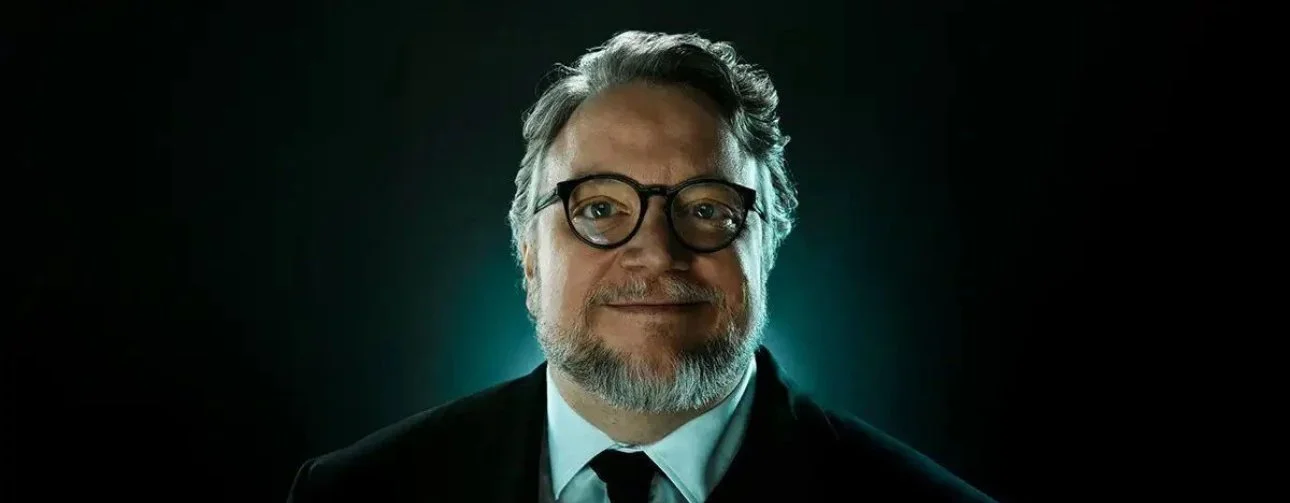
One filmmaker who definitely isn’t on Schrader or Miller’s side is Guillermo del Toro, known for the stunning practical effects in “Pan’s Labyrinth,” “The Devil’s Backbone,” and “The Shape of Water.”
While promoting Frankenstein, del Toro told NPR that he’d rather be buried six feet under than use artificial intelligence in any of his future films:
AI, particularly generative AI – I am not interested, nor will I ever be interested. I’m 61, and I hope to be able to remain uninterested in using it at all until I croak. … The other day, somebody wrote me an email, said, ‘What is your stance on AI?’ And my answer was very short. I said, ‘I’d rather die.'
He argues that the real danger isn’t the technology itself, but the “natural stupidity” with which we handle it. While his Frankenstein wasn’t meant as an AI allegory, he admits the parallels are striking:
I did want it to have the arrogance of Victor [Frankenstein] be similar in some ways to the tech bros. He’s kind of blind, creating something without considering the consequences and I think we have to take a pause and consider where we’re going.
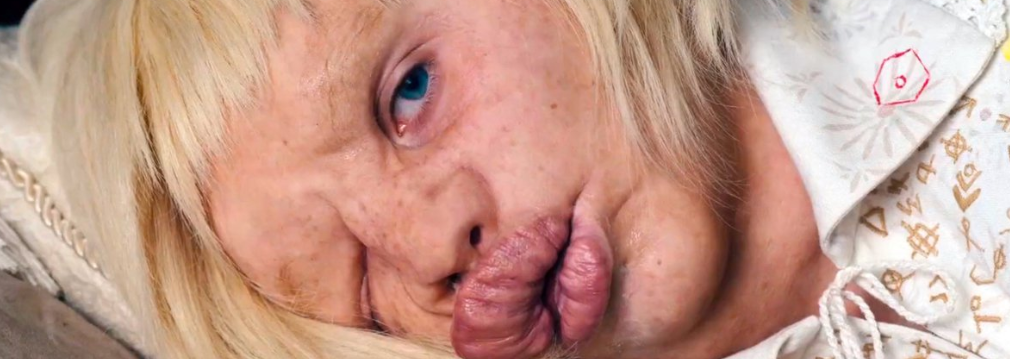
Ironically, though, del Toro’s rejection of AI is made all the more eyebrow-raising by the sleek, highly polished, CGI-heavy look of his “Frankenstein.” The film felt like it could have easily been crafted—or at least augmented—by AI.
As for using generative AI in art, like Schrader envisions, maybe it’s time to pump the brakes. There’s something unsettling about feeding an untested machine centuries of human creativity just to produce an imitation of soul. Art has always thrived on imperfection—the mess, the emotion, the human error—and I’m not convinced any AI can capture that. If anything, it risks cheapening the art itself.

Criterion's December lineup has some great additions to the library, but the title that jumped out at me is Werner Herzog's "Grizzly Man," which officially joins the Collection on December 8.